Comprehensive Guide to Teaching Kids Safe and Confident Cooking Skills
Discover practical safety tips and engaging strategies to teach children how to cook confidently at home. This comprehensive guide covers safety precautions, task assignments, hygiene practices, and ways to foster creativity and independence in young chefs, ensuring enjoyable and safe culinary experiences for kids of all ages.
Essential Safety Tips and Engagement Strategies for Cooking with Children
Cooking with children can be a highly rewarding activity that combines learning, creativity, and family bonding. It offers children valuable life skills and introduces them to nutrition and healthy habits from a young age. However, engaging young chefs requires careful preparation, safety awareness, and patience. This extensive guide provides practical tips to help parents and caregivers create a safe, fun, and educational cooking environment for kids, fostering their confidence and interest in culinary arts.
Prioritizing Safety in the Kitchen
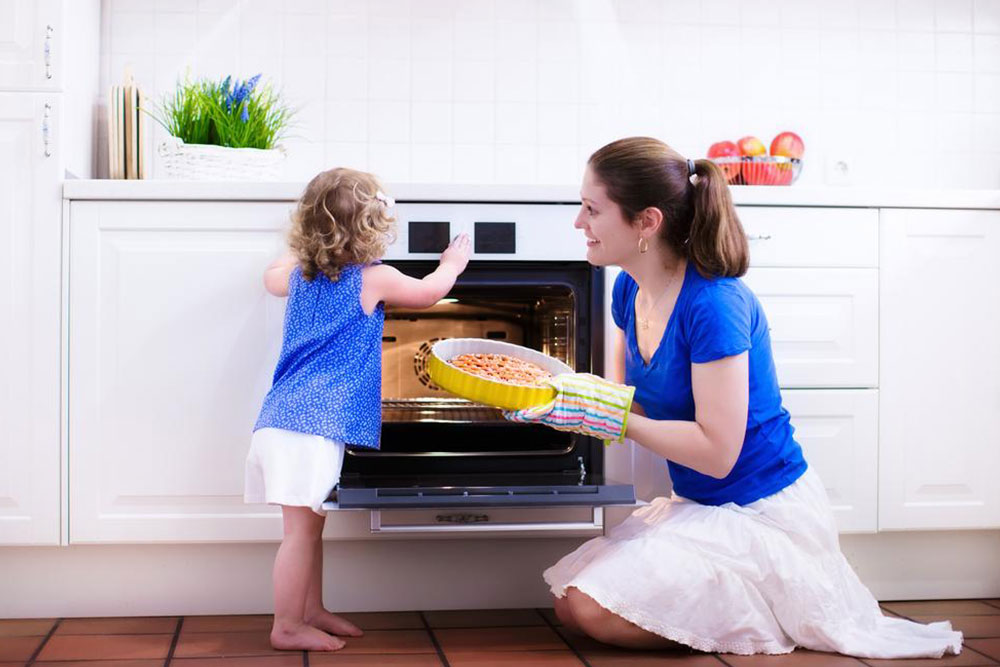
The safety of children during cooking activities should always be the foremost concern. Before beginning any culinary project, it's crucial to set clear safety boundaries and rules. Explain to your children the importance of handling kitchen tools and appliances responsibly. Keep sharp objects such as knives, scissors, and razors out of reach of young children. Make sure hot surfaces, burners, and electrical appliances are turned off when not in use or are under supervision. Always have a well-stocked first aid kit nearby, and teach older children basic first aid skills to handle minor cuts or burns effectively. Safety not only prevents accidents but also teaches children the importance of respecting hazards in the kitchen.
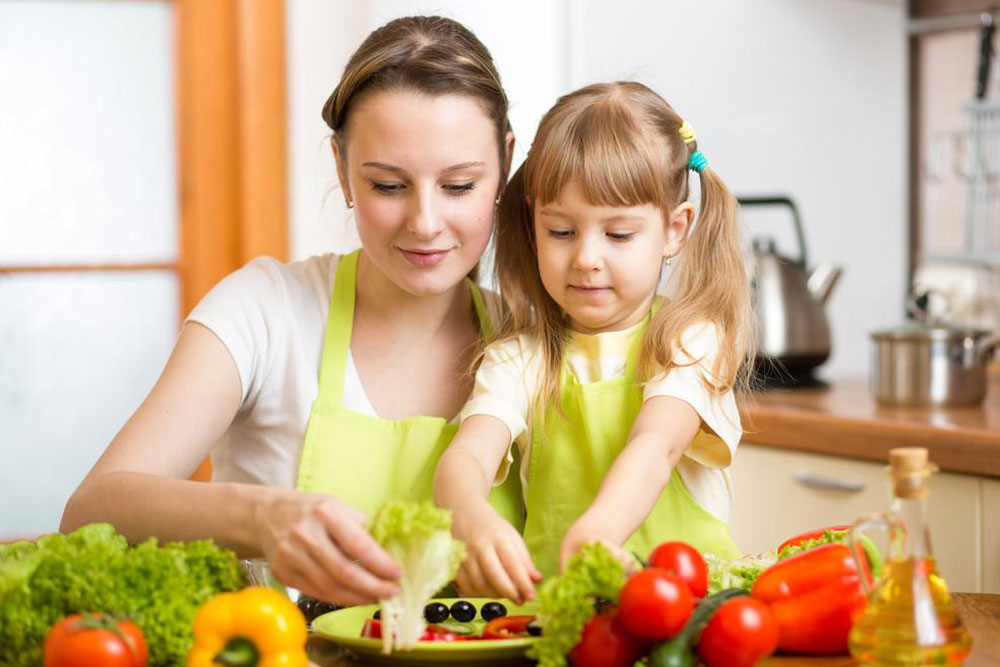
Assign age-appropriate tasks to your children to help build their cooking skills and confidence. For younger kids, simple chores such as washing vegetables, stirring batter, or adding pre-measured ingredients can be both safe and fun. As they grow older and more capable, introduce more complex responsibilities like chopping soft fruits, measuring ingredients precisely, or mixing dough under supervision. Tailoring tasks to their developmental stage ensures they feel accomplished and motivated. Moreover, understanding their preferences and affinities makes meal planning more enjoyable. Kids often love baking and dessert-making, which can serve as excellent starting points for teaching basic cooking techniques in an engaging manner.
Involving children in grocery shopping can be a highly educational experience. Use this opportunity to teach them about different ingredients, how to select fresh produce, and understand the concept of budget and value. Discuss the importance of choosing quality ingredients and demonstrate how to read labels. This hands-on experience fosters a sense of responsibility and increases their interest in what they eat. Additionally, encourage experimentation in the kitchen. Let children suggest flavor combinations or try out new recipes; supporting their curiosity nurtures independence and creativity in culinary pursuits.
Teaching proper hygiene and cleanliness is critical when cooking with children. Emphasize the importance of washing hands thoroughly before handling food and wearing aprons or protective clothing to keep clothes clean and prevent cross-contamination. Make cleanliness lessons enjoyable by turning them into fun routines rather than formal lessons. Reinforce the message that cleanliness is part of being a good cook and essential for food safety. As children gain confidence, slowly introduce additional responsibilities like cleaning as they finish tasks. This fosters good habits early and makes them aware of the importance of maintaining a tidy workspace during cooking sessions.
Positive reinforcement plays a vital role in nurturing a child's interest in cooking. Celebrate their efforts regardless of the outcome, whether they succeed or face challenges. Praising sincerity, effort, or creativity boosts their self-esteem and keeps their enthusiasm high. Use encouraging words, such as "Great job!" or "You did very well adding ingredients," to motivate them. Recognizing their achievements makes the cooking experience memorable and reinforces their desire to learn more. Over time, this supportive approach helps children develop patience, resilience, and a genuine passion for culinary arts, turning cooking into a rewarding family activity.