Comprehensive Guide to Choosing the Perfect Blender and Accessories for Your Home Kitchen
Discover essential tips for selecting the ideal blender and accessories tailored to your home kitchen needs. Learn about capacity, blade quality, power, and features to make an informed purchase. This comprehensive guide ensures you choose a durable, efficient blender that enhances your culinary experience and meets your daily blending requirements effectively.
Comprehensive Guide to Choosing the Perfect Blender and Accessories for Your Home Kitchen
In today’s modern kitchens, a versatile blender is an invaluable appliance that can assist with a wide range of culinary tasks. Whether you’re preparing smoothies, crushing ice, making soups, or creating delicious dips, selecting the right blender and its accessories can significantly enhance your cooking experience. However, with a plethora of options available in the market, making an informed decision can be challenging. Understanding the essential components and features of a blender is crucial before making a purchase. This comprehensive guide aims to walk you through the key considerations to help you choose the most suitable blender that matches your needs, lifestyle, and budget.
Understanding Blender Capacity and Size Considerations
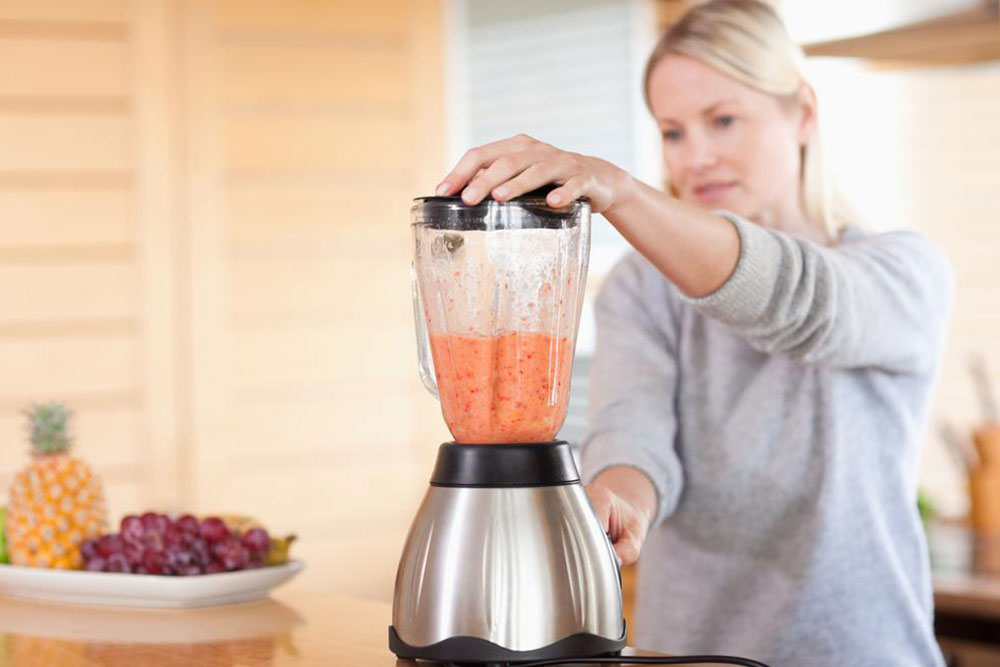
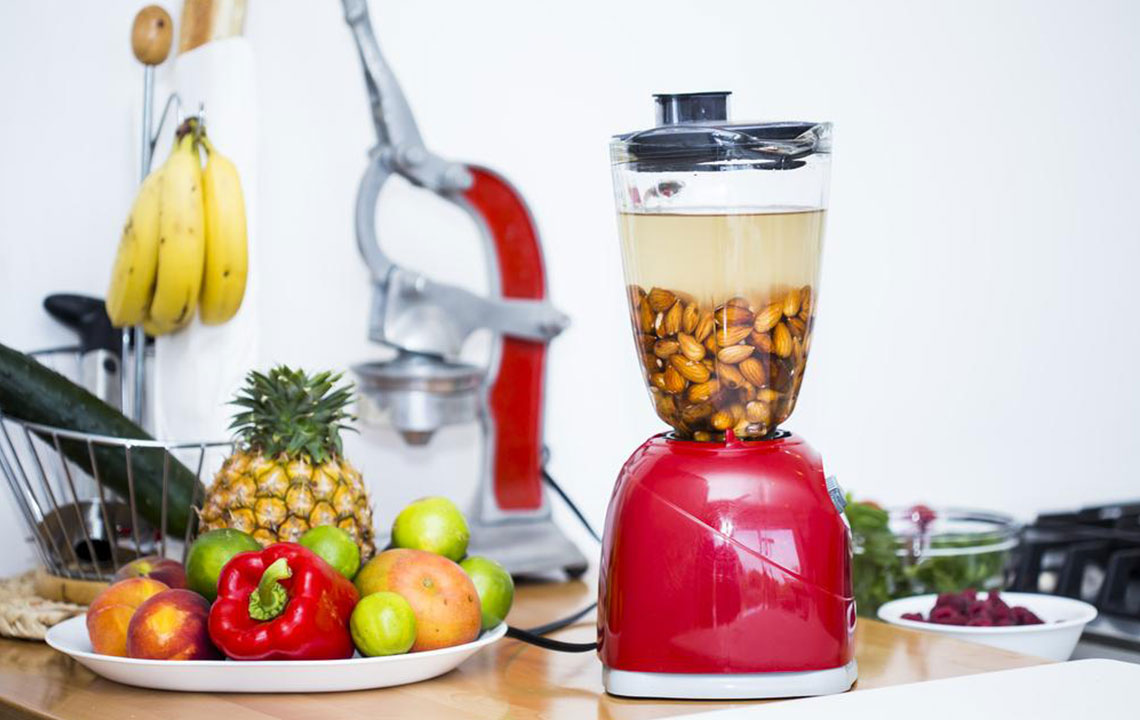
One of the first factors to consider when choosing a blender is its capacity. Blender sizes can vary from compact single-serving models to large, multi-liter units capable of preparing food for an entire family or gathering. The capacity directly impacts the overall size and footprint of the appliance, as well as the effectiveness for different culinary tasks. Small, personal blenders, often under 20 ounces, are ideal for quick smoothies or single servings, making them perfect for individuals with limited kitchen space or those on the go. Larger models with 64 ounces or more are suitable for batch cooking, preparing soups, or making large quantities of smoothies or purees at once.
To determine the optimal capacity for your household, consider how frequently you blend and the typical portion sizes. For instance, a family of four that enjoys smoothies daily might benefit from a 48-ounce or larger blender, while a single person might opt for a 20-32 ounce personal blender. Additionally, evaluate your counter space to ensure the blender can fit comfortably without cluttering your kitchen.
Blade Quality and Material Significance
The blades are the heart of any blender, responsible for chopping, crushing, and mixing ingredients effectively. High-quality blades are usually made of stainless steel, which offers durability, corrosion resistance, and the strength necessary for handling tough ingredients like ice, frozen fruits, and fibrous vegetables. When selecting a blender, ensure that the blades are designed to withstand intense blending cycles and are easy to clean.
The size and design of blades also matter. Larger, multi-pronged blades increase contact with ingredients and facilitate thorough blending. Some models feature removable blades for easier cleaning and maintenance. If you plan to blend hard items regularly, investing in a model with robust, high-quality blades is essential to ensure consistent results and longer-lasting performance.
Additional Features and Functionalities
Modern blenders come equipped with a variety of features that can elevate your blending experience. Variable speed settings allow you to customize the texture of your blends, from fine smoothies to chunkier salsas. Special blending modes, such as pulse or ice-crush functions, are designed to handle specific tasks efficiently.
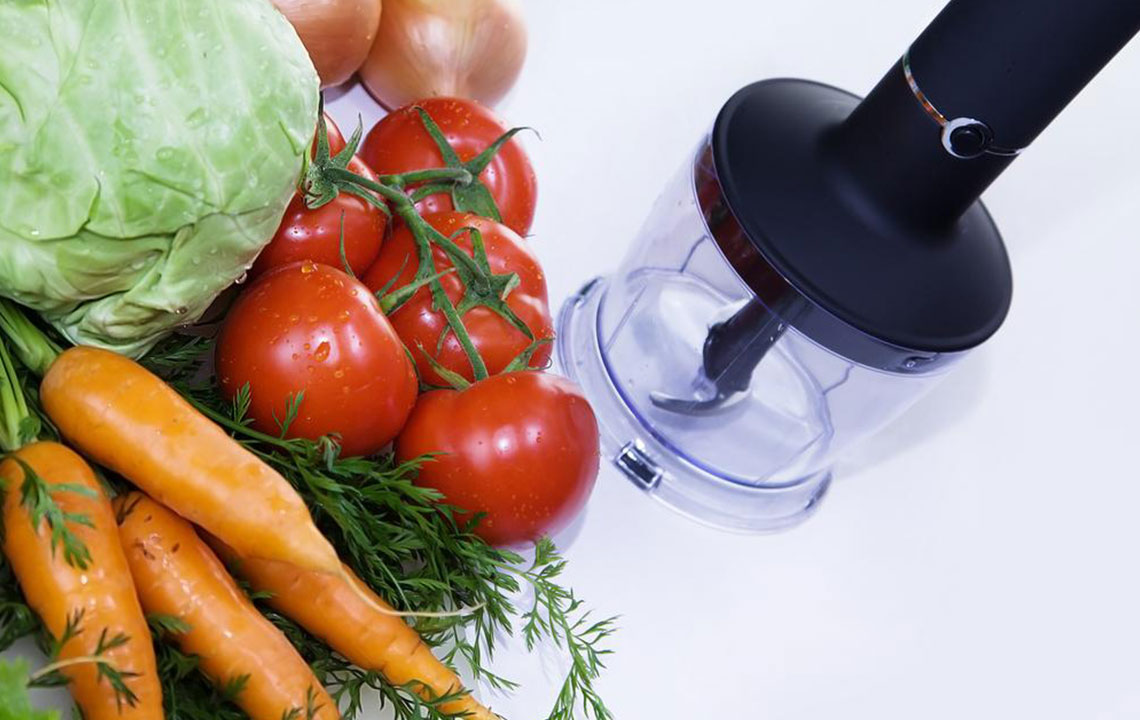
High-end models often include touchscreens, LED displays, and preset programs, making operation more intuitive. Some blenders offer attachments or accessories for specific tasks—such as grinding coffee beans, chopping nuts, or mixing dough—adding versatility to your appliance collection. Consider which functionalities align with your culinary needs to select a model that provides maximum value and convenience.
Design and Ease of Use of the Blender Base
The base of the blender is critical as it houses the motor and controls. It is typically made from durable plastics, stainless steel, or a combination of both. The design can range from simple, traditional dial controls to advanced touch-sensitive panels. Modern bases often feature ergonomic designs for easy handling and cleaning.
Look for models with effective ventilation to prevent overheating during extended use. An intuitive control panel with clearly labeled options can make operation easier, especially for beginners. Some bases include safety features such as auto shut-off if the motor overheats or if the jar is not properly secured.
Power Capacity: How Much Horsepower Do You Need?
Power is measured in watts, and typical household blenders range from 350 to 600 watts. Generally, a blender with 500-watt power provides enough torque to handle various ingredients efficiently, including ice and frozen fruits. If you plan to use your blender frequently for tough tasks or large quantities, investing in a higher-wattage model may be worthwhile.
More powerful blenders can perform complex blending functions quickly and smoothly, reducing processing time and effort. However, they may also consume more energy and be slightly noisier. Consider your optimal balance between power, noise level, and budget to find a model that suits your household’s needs.
Other Factors to Keep in Mind
Durability and material quality are vital for long-term performance. Check for sturdy jar materials such as BPA-free plastic or glass, especially if you’re concerned about chemical leaching. Ease of cleaning is another important consideration; removable blades and dishwasher-safe components can save you time and effort.
Additionally, look for warranties or customer support services offered by manufacturers. Positive reviews and brand reputation can also guide you towards reliable choices. By carefully assessing these factors, you can select a blender that not only performs efficiently but also lasts for years.
In conclusion, choosing the right blender involves analyzing multiple features—from capacity and blade quality to power and additional functionalities. Matching these features with your specific needs and kitchen space will ensure you purchase an appliance that simplifies your cooking routine and provides excellent results for various recipes. With the right information, your perfect blender is within reach—ready to help you create nutritious smoothies, vibrant salsas, creamy soups, and more.