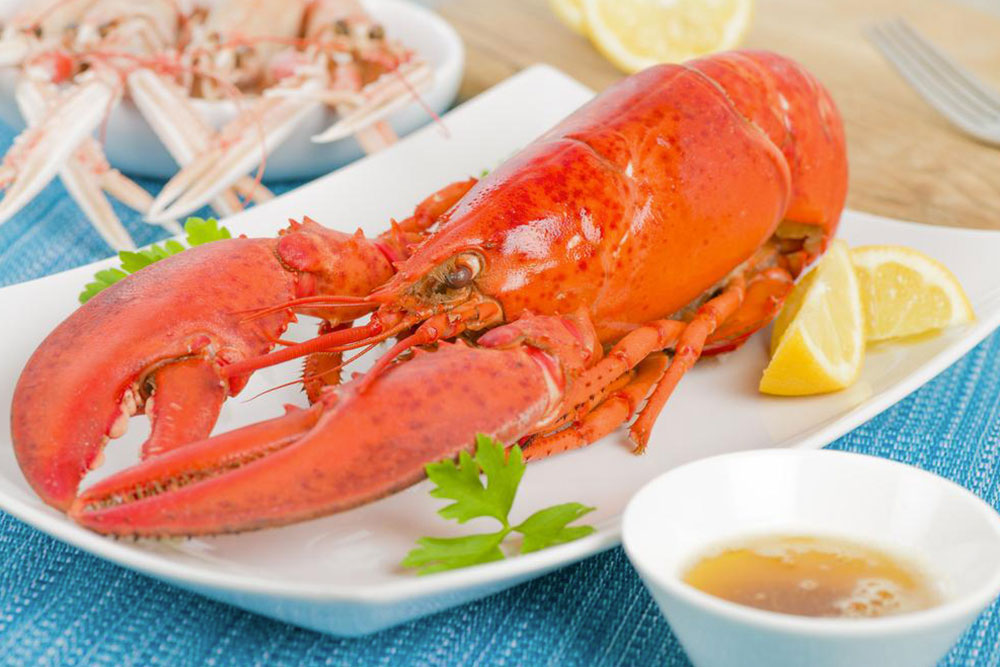
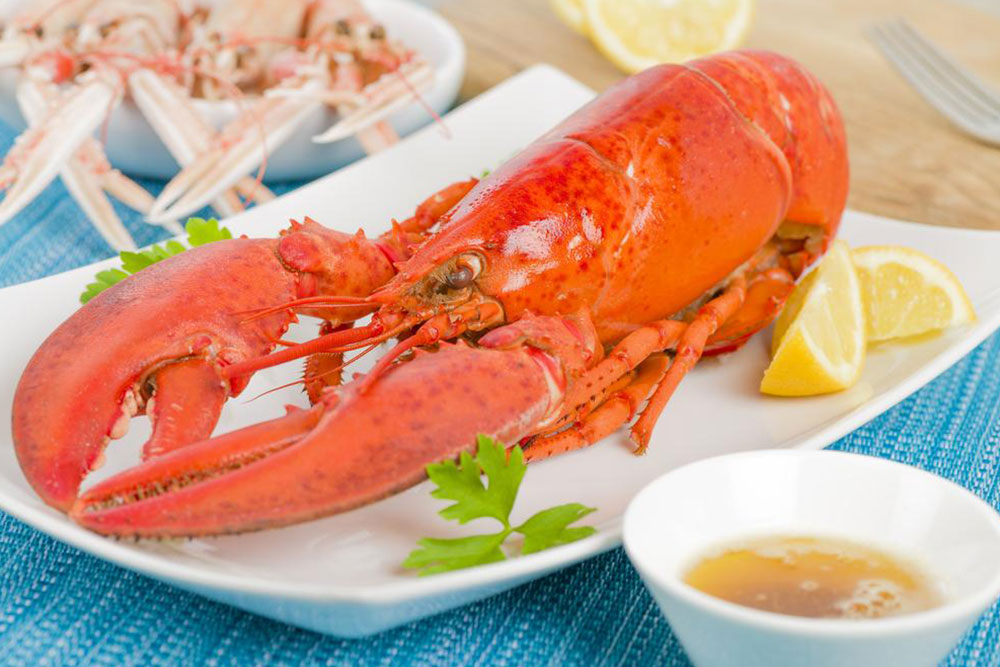
The Ultimate Guide to Boiled Lobster: Health Benefits, Cooking Tips, and Delicious Recipes
Learn the comprehensive benefits of boiling lobster, including health advantages and expert tips for perfect preparation. This guide covers various cooking methods, flavor enhancements, and how to maximize flavor and tenderness in your seafood dishes. Whether you're a beginner or an experienced chef, discover how boiling lobster can deliver a nutritious, flavorful, and impressive meal that elevates your dining experience. Explore ways to utilize leftovers creatively and elevate your seafood cooking skills with simple, effective techniques suitable for any occasion.
Discover the Advantages of Cooking Lobster Through Boiling and How to Prepare It Perfectly
Lobster is celebrated worldwide for its rich, tender meat and luxurious flavor, making it a favorite among seafood enthusiasts. Once considered a humble fare reserved for the lower classes in the 19th century, lobster's reputation has transformed over the centuries. Today, it stands as a symbol of fine dining and is sought after at markets and restaurants globally. Despite its elevated status, preparing lobster at home can seem intimidating due to its tough shell and the process of cooking live seafood. However, boiling remains one of the simplest, healthiest, and most effective methods for cooking lobster to achieve tender, flavorful meat.
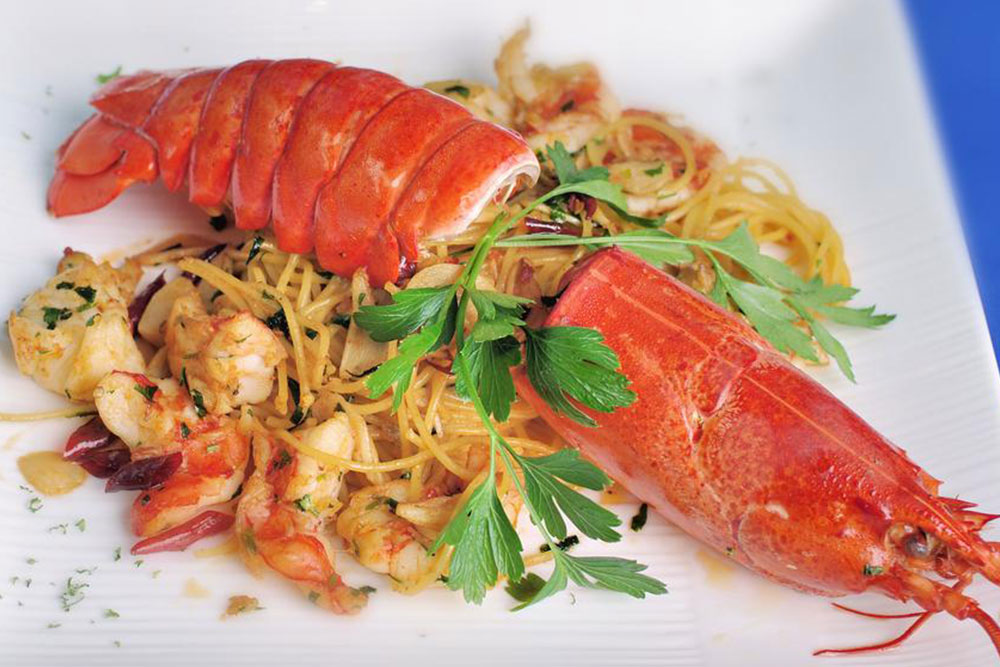
Boiling lobster offers a straightforward approach that yields consistent, juicy results. The process involves immersing the lobster in boiling water, which quickly cooks the crustacean evenly. Once boiled, lobster shells crack easily, making it effortless to extract the succulent meat without mess or fuss. This method preserves the natural briny flavor of the lobster while keeping the meat tender and moist. Besides its ease, boiling is a healthy cooking method that maintains the nutritional integrity of the lobster, which is rich in high-quality protein, vitamins, and minerals like zinc, selenium, and vitamin B12. For an enhanced oceanic taste, many chefs recommend using seawater or adding sea salt to the boiling water, mimicking the lobster's natural habitat. Achieving perfect boiled lobster requires a large enough pot to accommodate the crustacean comfortably, plenty of salt, and bringing the water to a vigorous boil before carefully adding the lobster. Other popular techniques include parboiling, blanching, or steaming—each offering subtle differences in flavor and texture, but all ensuring a moist, tender result. When cooking lobster, seasoning with lemon, black pepper, or herbs can elevate the flavor, and leftover lobster can be repurposed into sumptuous dishes like lobster rolls, salads, or pasta.
Recruiting the best ways to prepare lobster at home enables even novice cooks to enjoy this delicacy without much fuss. Proper techniques ensure you serve up a delicious, nutritious seafood dish that can be a centerpiece for celebratory meals or a special treat. Whether you prefer boiling, steaming, or parboiling, each method offers unique benefits that contribute to the final flavor and texture of the lobster. With some practice, you'll master the art of cooking lobster and impress your guests with restaurant-quality seafood right in your kitchen. Embrace the simplicity and health benefits of boiling lobster and explore myriad recipes to incorporate this luxurious shellfish into your culinary repertoire.