The History and Contemporary Applications of Rattan Outdoor Furniture
Discover the rich history and modern applications of rattan outdoor furniture. From traditional Asian craftsmanship to contemporary eco-friendly designs, explore how this versatile, durable, and sustainable material enhances outdoor spaces worldwide. Learn about rattan's sourcing, treatment process, and its growing popularity in stylish garden and patio furniture, emphasizing its blend of natural beauty and practicality.

The History and Contemporary Applications of Rattan Outdoor Furniture
Rattan furniture has a rich history rooted in traditional craftsmanship, valued for its natural beauty, durability, and versatility. Over centuries, it has evolved from handcrafted pieces used in Asian markets to a prominent element in modern outdoor and indoor furniture design globally. Its timeless appeal is complemented by its sustainable nature, making it a favored choice among eco-conscious consumers. Today, rattan furniture enhances gardens, patios, and living areas, blending aesthetic appeal with practical functionality, and continues to adapt to contemporary design trends.
Rattan, with its numerous varieties—close to 600—originates mainly from the lush tropical regions of Southeast Asia, including the Philippines, Sri Lanka, Laos, Vietnam, and Bangladesh. These areas offer ideal climatic conditions that promote the vigorous growth of rattan palms, ensuring a steady supply for the international market. The different types of rattan are classified based on their length and stem structure, including long vines, short vines, and clustered stems, each providing specific qualities suited for various furniture designs. Its rapid growth cycle and widespread availability make it a renewable and sustainable resource, aligning with modern environmental concerns.
The harvesting process of rattan involves selective extraction from tropical rainforests, where mature canes are gathered carefully to minimize ecological impact. Once harvested, the raw rattan undergoes a series of processing steps: sun-drying or sulfur-smoking to remove moisture, and for larger canes, oil coating is applied to fend off pests. These treatment processes not only preserve the raw material but also improve its durability against external elements, making it suitable for making resilient outdoor furniture. The natural hue of rattan—which ranges from warm, caramel browns to lighter shades—adds a cozy, inviting tone to outdoor spaces, resonating with a rustic or tropical aesthetic.
In modern times, advancements in treatment methods have improved both the quality and sustainability of rattan products. Innovations in preservation techniques have enhanced rattan’s resistance to extreme weather conditions, such as heat, rain, and dirt, bolstering its reputation as an ideal material for outdoor environments. Its lightweight nature facilitates easy transportation and installation, while its flexibility enables artisans to craft intricate, curved shapes and detailed designs, elevating its appeal in contemporary furniture styling.
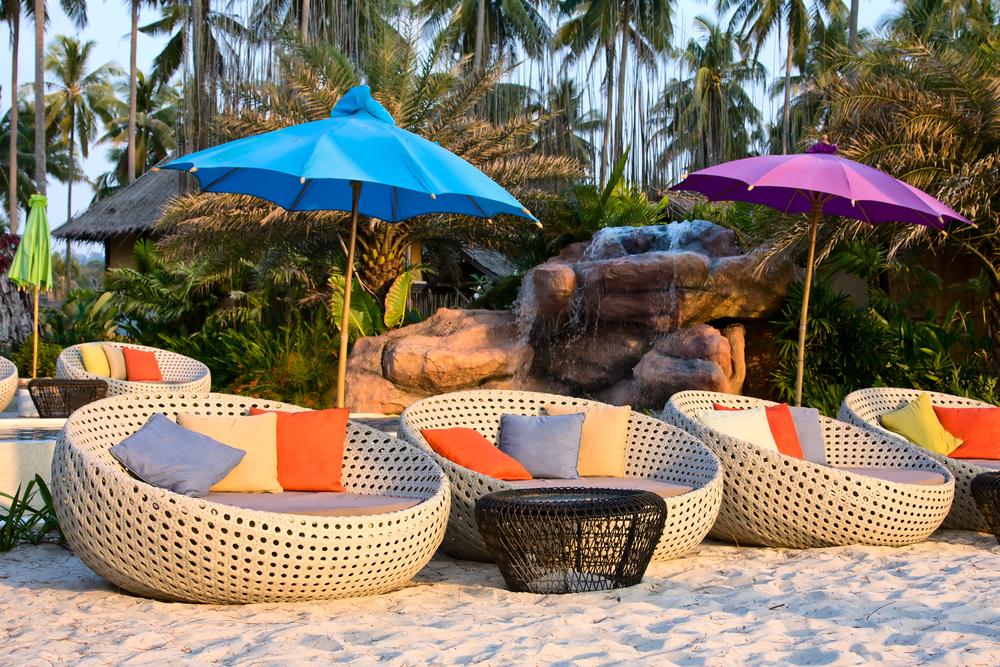
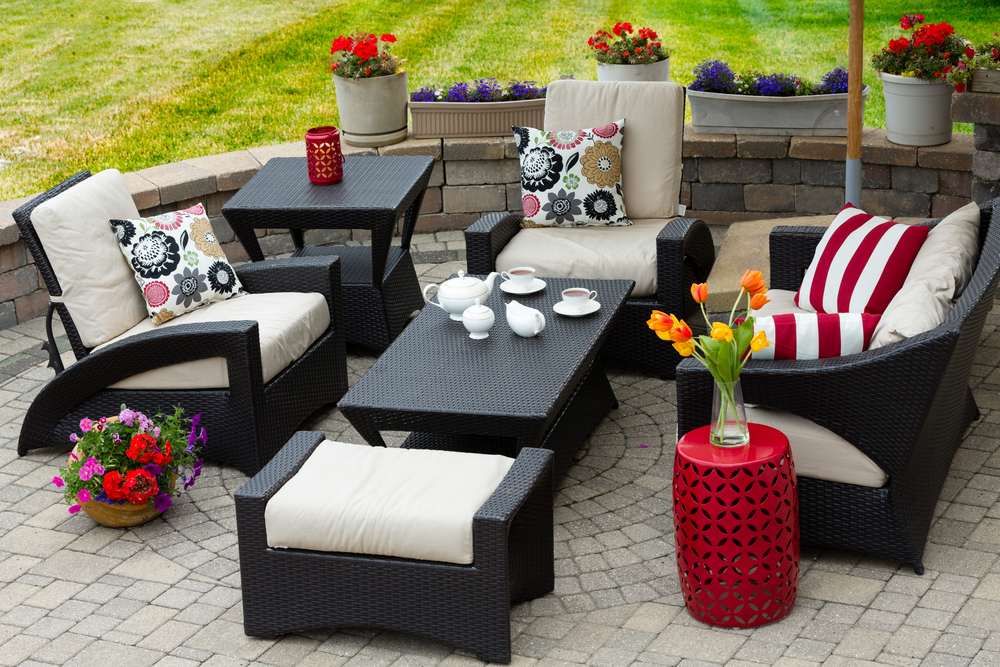
The durability of rattan, coupled with its aesthetic versatility, has contributed to its sustained popularity in outdoor furniture markets worldwide. Rattan garden furniture—ranging from chairs, tables, sun loungers, to entire sofa sets—continues to be a favorite for outdoor patios and garden spaces. Its natural, earthy appearance complements various outdoor themes, from modern minimalist to bohemian rustic. Additionally, its resistance to weathering and ease of maintenance—requiring only regular cleaning and minimal upkeep—make it a practical and stylish choice for outdoor living.
As eco-awareness increases, the sustainable qualities of rattan are more appreciated than ever. Reforestation efforts and responsible harvesting practices are crucial in maintaining the ecological balance of rattan-producing regions. Overall, the evolution of rattan from a traditional crafting material to a contemporary, sustainable, and stylish choice reflects its adaptability and enduring appeal in furniture design.