Enhance Your Office Environment with Adjustable Standing Desks: A Complete Guide
This comprehensive guide explores the benefits, types, and selection tips for adjustable standing desks, emphasizing their role in promoting health and productivity. Discover ergonomic setup essentials, top models, and practical advice to upgrade your workspace. By adopting a standing desk, you can reduce health risks associated with prolonged sitting and create a more active, comfortable office environment. Perfect for professionals seeking a healthier work routine, this article highlights how to choose the right desk and optimize your workspace for better posture, increased energy, and long-term wellness.
Revolutionize Your Workspace with Ergonomic Standing Desks
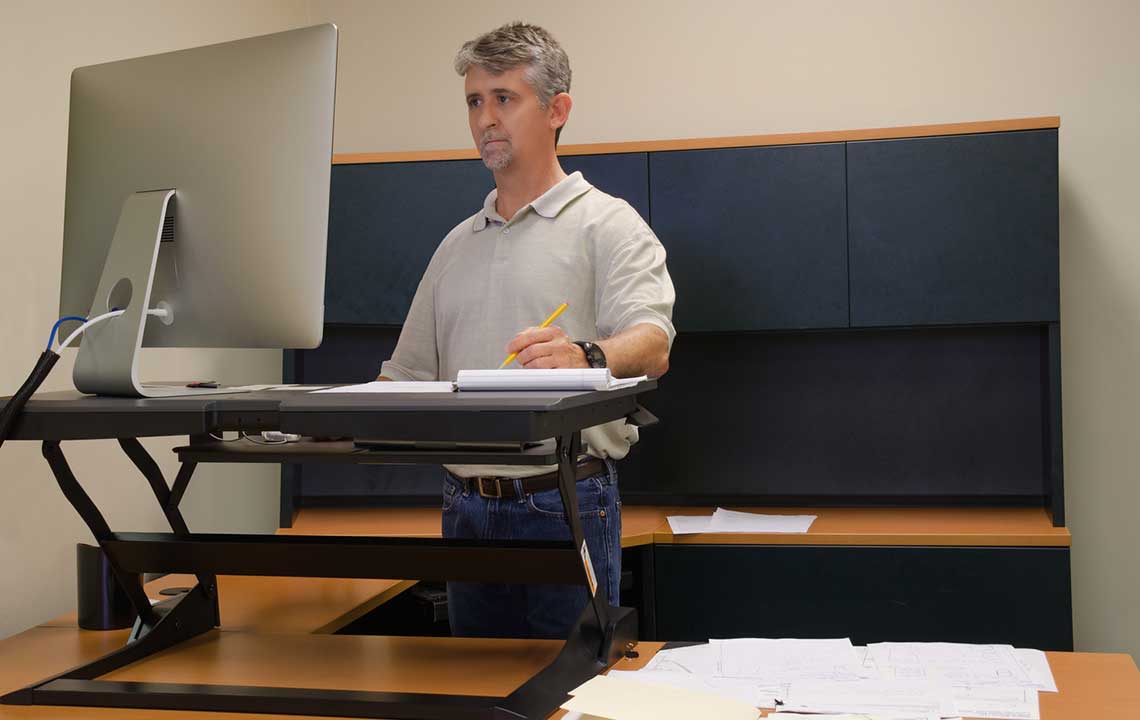
In recent years, there has been a significant shift towards healthier work habits, with ergonomic standing desks emerging as a popular solution to combat the adverse effects of prolonged sitting. Backed by extensive research, including studies from the prestigious Mayo Clinic, it's now well-understood that sitting for extended periods can greatly diminish calorie expenditure, negatively impacting overall health. The concept of NEAT (Non-Exercise Activity Thermogenesis) plays a crucial role here, representing the calories burned through everyday activities outside of structured exercise. Encouraged by pop culture references, like Dwight Schrute from "The Office," many office workers have started to embrace standing while working as a simple yet effective way to improve wellness. While humor often highlights this trend, the health implications are very real: long hours of sitting elevate risks for cardiovascular disease, musculoskeletal problems, and metabolic issues. Incorporating adjustable standing desks into your workspace not only enhances calorie burn but also promotes better posture, reduces strain, and encourages consistent movement throughout the workday.
Sitting as the New Smoking
Health experts increasingly warn that excessive sitting, regardless of whether it's during meetings, meal times, or leisure activities, poses serious health risks. Prolonged sitting has been linked to spinal health issues, including back pain and poor posture, as well as increased susceptibility to obesity, diabetes, and cardiovascular diseases. To remedy these problems, standing desks have gained popularity as practical tools to encourage movement and improve NEAT levels during daily routines. Their primary goal is to help individuals stay active and maintain productivity without sacrificing comfort or workflow efficiency.
Recent surveys indicate a growing workplace adoption of standing desks. In 2013, only around 13% of employers integrated them into their offices; by 2017, this figure had nearly tripled to 44%. This rapid increase underscores a rising awareness of the importance of healthier work environments and the concrete benefits standing desks provide in reducing sedentary behavior.
The Role of Ergonomics and Proper Posture
To maximize health benefits, proper ergonomic setup is essential. Adjust your monitor to align with your eye level to prevent neck strain and ensure that your keyboard and mouse are positioned comfortably to avoid shoulder and wrist stress. Incorporating movement into your routine, such as shifting weight or stretching, helps prevent stiffness and maintains circulation. Adjustable standing desks facilitate this by offering customizable heights, typically ranging from about 22 inches to 49 inches, with recommended height standards based on user height—roughly 24.5 inches for women and 26.5 inches for men. Correct setup minimizes the risk of developing musculoskeletal issues over time and supports long-term comfort and health.
Types of Standing Desks
Fixed Standing Desks
These are stationary desks set at a specific height, often mounted on a wall or constructed as permanent fixtures. They are suitable for environments where mobility is unnecessary, and modifications are rarely needed. Some fixed models can be customized with existing tabletop components to create a semi-permanent standing workspace.
Adjustable Standing Desks
Designed to offer flexibility, these desks allow users to switch effortlessly between sitting and standing positions. They come in various configurations:
Manual Adjustment
Controlled with a hand crank, these models are cost-effective and straightforward, supporting simple height modifications. They are ideal for environments where power sources are limited or where durability is prioritized, such as manufacturing settings.
Electric Adjustment
Powered by a quiet motor, these desks enable seamless height adjustments at the push of a button. Suitable for offices and studios, they typically produce noise levels between 40-70 decibels and can support substantial weight capacities—often up to 350 pounds—depending on the model.
Converter Platforms
This budget-friendly option transforms existing desks into standing stations. Equipped with adjustable keyboard trays and monitor risers, they allow users to alternate between sitting and standing without the need for purchasing entirely new furniture. These platforms are portable and easy to install, making them ideal for temporary or shared workspaces.
How to Select the Perfect Standing Desk
When choosing a standing desk, consider factors such as versatility, size, stability, and ease of adjustment. Look for models that fit comfortably within your available space, typically ranging from 40 to 70 inches in width. For adjustable desks, prioritize those with smooth, noiseless height adjustments and preset memory functions for quick changes. Cable management features are also important to ensure a tidy workspace. If opting for a tabletop converter, ensure it provides sufficient height range and stability to support your equipment securely, while not encroaching excessively on your workspace. Balance device compatibility, durability, and ergonomic benefits to find the ideal solution tailored to your needs.
Leading Standing Desk Options
Devaise Manual Crank Desk
An economical yet sturdy option, this 55-inch desk employs a hand crank for height adjustments, supporting up to 100 pounds. Priced around $250, it provides a simple, robust design suitable for budget-conscious users without sacrificing reliability.
Jarvis Bamboo Electric Desk
This premium model features an easy-to-use digital control panel with four memory presets, supporting up to 350 pounds. It is available in various sizes—48, 60, and 72 inches—and offers a sleek, modern finish. Typical price ranges from $500 to $550, backed by a 7-year warranty, making it a popular choice for professionals seeking both aesthetics and functionality.
VariDesk ProDesk Electric
Designed for high productivity and eco-conscious users, this desk includes three memory presets, supports up to 250 pounds, and features a quiet motor. It is priced between $850 and $1,000, available in different finishes, and suitable for collaborative workspaces.
Fancierstudio Riser Desk
Ideal for multi-monitor setups, this 38-inch desktop rises to a height of 17.7 inches and includes adjustable trays for versatility. It’s an affordable choice under $200, providing multi-position functionality and sufficient support for various accessories.
SHW Electric Desk
This budget-friendly model offers adjustable heights from 31 to 42 inches with four preset options. Costing around $250, it features a digital display and is perfect for small office setups or home use, offering good value for its features.
To find the best deals, consider shopping during promotional events like Black Friday or exploring online retailers such as Overstock or UpliftDesk. Seasonal sales and clearance outlets often provide quality standing desks at more affordable prices, making it easier to invest in your health without breaking the bank.
Benefits and Considerations of Standing Desks
Standing desks are proven to combat health problems associated with sedentary lifestyles, including obesity, poor posture, and low energy levels. They encourage movement and improve blood flow, leading to increased alertness and productivity. However, standing for prolonged periods can also cause fatigue, sore feet, and joint discomfort, especially for individuals with pre-existing issues like arthritis. The key is balance: alternating between sitting and standing to avoid overexertion and discomfort. Proper ergonomic setup, supportive footwear, and anti-fatigue mats can enhance comfort and prevent long-term musculoskeletal issues. Listening to your body and gradually increasing standing duration ensures a sustainable and health-promoting work routine.
Final Thoughts
Adopting a standing desk is a forward-thinking move toward creating a healthier, more active workspace. As awareness of the risks of prolonged sitting continues to grow, more companies and individuals are recognizing the importance of implementing ergonomic solutions. Whether you choose a manual, electric, or converter model, investing in a quality standing desk can dramatically improve your overall well-being, reduce health risks, and boost your productivity. Make the active choice today—stand up, adjust your workspace, and support your health for the long term.