Comprehensive Guide to Safely Choosing Toys for Your Children
Choosing safe toys for children is essential for their health and development. This guide offers detailed safety tips, including selecting non-toxic materials, age-appropriateness, and verifying safety certifications. Parents are encouraged to report unsafe products to authorities like the CPSC to ensure a safe play environment for all kids. By following these comprehensive safety precautions, caregivers can confidently select toys that promote learning while minimizing hazards, making playtime enjoyable and secure.
Comprehensive Guide to Safely Choosing Toys for Your Children
Selecting the right toys for children is more than just picking fun and engaging products; it’s a crucial aspect of ensuring their safety and fostering healthy development. With the variety of toys available in today’s market, parents must be well-informed about safety standards, materials used, and age-appropriate options. While many reputable brands adhere to strict international safety regulations, there are instances where lower-quality toys with harmful substances enter the market, posing risks to children’s health. This comprehensive guide aims to equip parents with essential tips and knowledge to make safe, informed choices when purchasing toys for their kids.
Important Safety Tips for Buying Children's Toys
Prioritize toys made from non-toxic, lead-free, and BPA-free materials. Since children naturally tend to put toys in their mouths, using non-toxic substances reduces the risk of chemical poisoning or allergic reactions.
Always buy from reputable brands that comply with or surpass international safety standards such as ASTM F963, EN71, or CPSIA regulations. These standards set strict guidelines for toy safety, including material safety and mechanical performance.
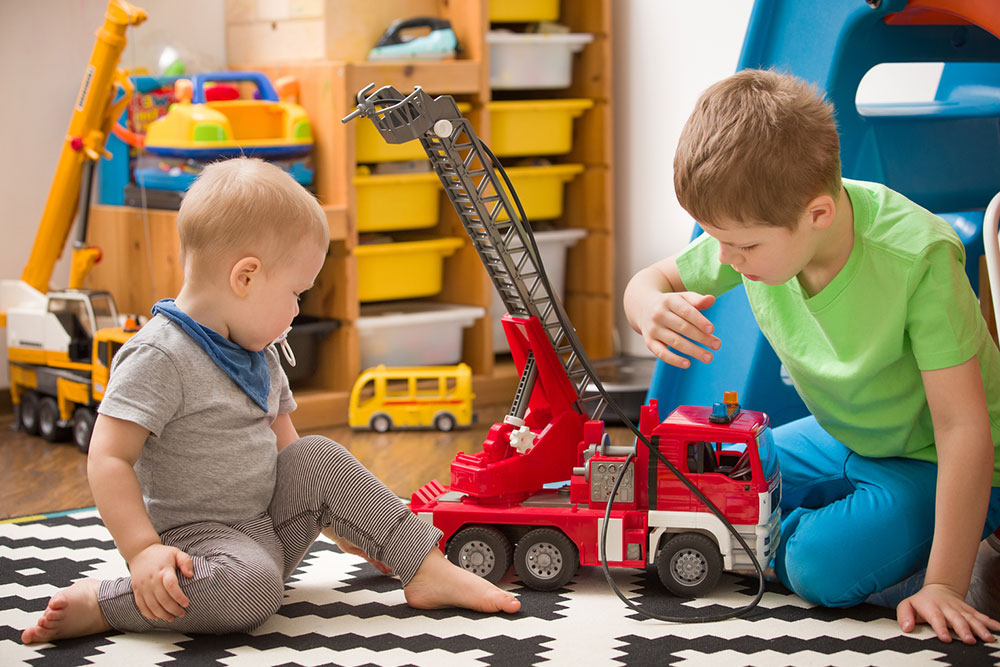
Check the age recommendations on toy packaging. Selecting age-appropriate toys ensures your child can enjoy and use the toy safely without frustration or injury. For example, complex puzzle games or small parts meant for older children shouldn't be given to toddlers.
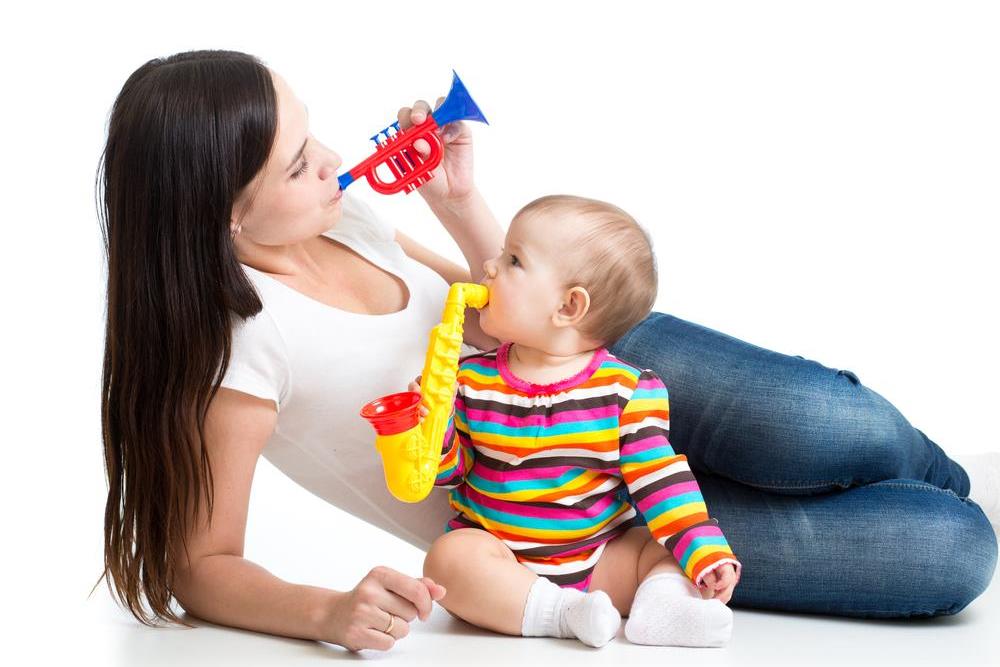
For infants and toddlers, opt for larger toys that are too big to swallow or lodge in the throat, significantly reducing choking hazards. Shapes like chunky blocks, soft plush toys, or teething rings are suitable options.
Steer clear of toys with small detachable parts, marbles, coins, or other small objects that pose choking risks especially for children under three years old.
When buying ride-on toys such as scooters, balance bikes, or rocking horses, ensure they come with safety features like harnesses, straps, or stable bases. Verify that they are sturdy and can support the child’s weight safely.
Always examine if the toy is durable and impact-absorbing, which helps prevent injuries during play. Supports and handles should be securely attached and not easily breakable.
Battery-powered toys require extra caution. Confirm that battery compartments are securely enclosed with screws or child-proof latches to prevent access and accidental ingestion of batteries or circuit components.
Parents and caregivers also have a crucial role in safeguarding children from unsafe toys. It’s advisable to report any concerns about unsafe products or potential hazards to relevant authorities, such as the Consumer Product Safety Commission (CPSC) in the United States. The CPSC’s website provides a platform for reporting dangerous toys, initiating recalls, and accessing vital safety information. Staying informed and vigilant helps create a safer environment for children to learn, play, and grow without unnecessary risks.