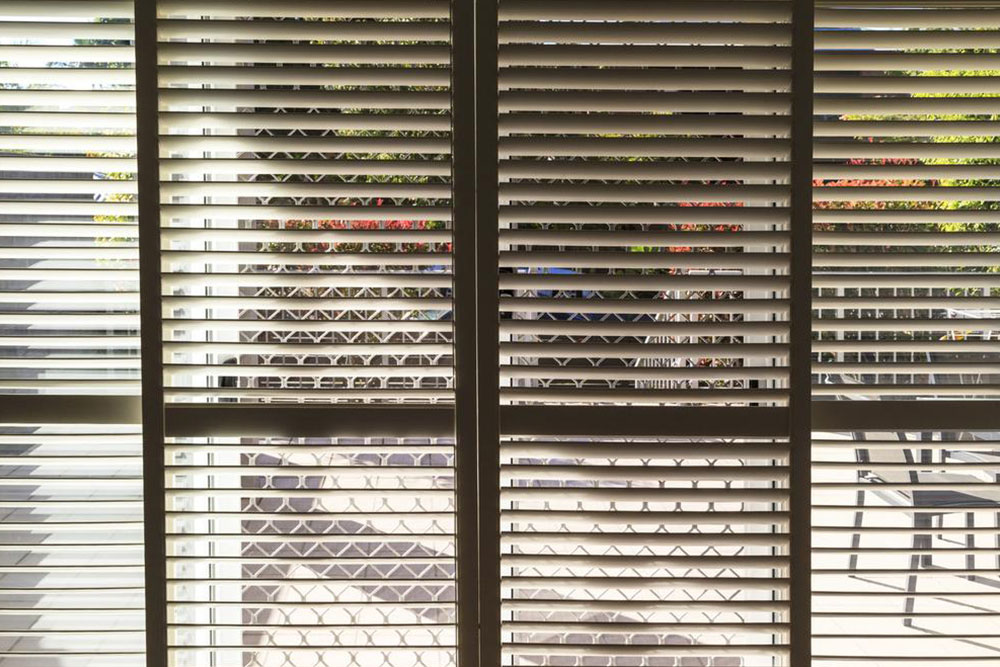
The Benefits and Considerations of Synthetic Wood-Effect Window Coverings
Discover the advantages of synthetic wood-effect window coverings, including durability, affordability, and ease of maintenance. Learn how to select high-quality faux wood blinds, their ideal applications, and important factors to consider for a perfect fit. Perfect for modern interiors, these window treatments blend aesthetics with practicality, making them an excellent choice for various living environments while offering long-lasting performance and stylish appeal.
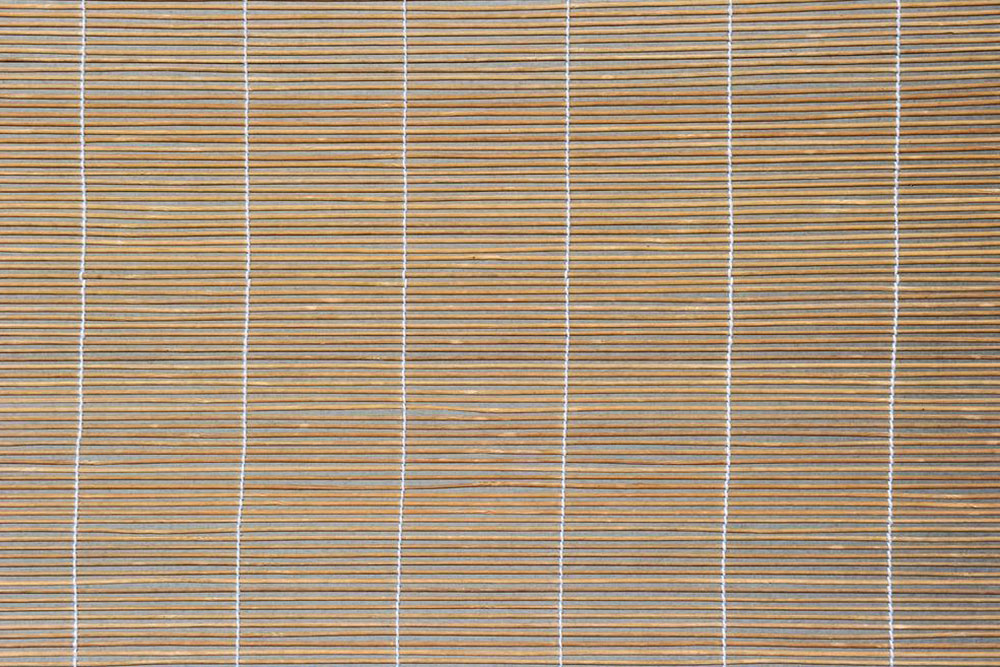
The Benefits and Considerations of Synthetic Wood-Effect Window Coverings
Advancements in manufacturing technology have revolutionized the production of window treatments and soft furnishings. Today’s modern machines are capable of precisely mimicking the detailed grain patterns, textures, and colors found in natural wood. These innovations allow manufacturers to produce synthetic window coverings that are increasingly indistinguishable from real timber, offering homeowners a cost-effective and durable alternative. Among the most popular options are faux wood blinds, crafted from high-quality composite materials such as PVC, which have unique advantages over traditional wood blinds. This article explores the many benefits of synthetic wood-effect window coverings, key considerations when selecting them, and why they have become a staple in contemporary interior design.
Choosing Reputable Manufacturers for Quality Faux Wood Blinds
While faux wood blinds are usually more budget-friendly compared to traditional wooden blinds, many homeowners still hold a preference for authentic wood because of its natural beauty and unique character. This preference often arises from previous disappointments with unreliable or low-quality manufacturers that produce subpar finishes. Today, the market offers a range of high-end faux wood options from trusted brands known for their precise craftsmanship and attention to detail. These manufacturers utilize advanced printing and finishing techniques to replicate the complex textures, color variations, and grain patterns of real wood convincingly. When investing in faux wood blinds, it is essential to choose product offerings from reputable vendors to ensure that the blinds are not only aesthetically appealing but also durable and resistant to wear over time.
One potential drawback of synthetic blinds is their tendency to fade when exposed to intense sunlight over extended periods. This fading can diminish their visual appeal and may necessitate replacement sooner than expected. Therefore, it’s important to consider the exposure your window coverings will have before making a purchase. Some faux wood blinds are designed with UV-resistant coatings to mitigate fading, which is a key feature to look for during selection.
Important Factors to Keep in Mind When Selecting Faux Wood Blinds Faux wood blinds tend to be heavier than genuine wood versions, especially in larger window sizes. This additional weight requires secure mounting and robust hardware to prevent sagging or damage. When fitting large or wide windows, it’s advisable to opt for individual blinds tailored to each section, ensuring a seamless appearance and maintaining the structural integrity of each panel. Additionally, consumers can select from a variety of finishes—including stains, colors, and wood grain effects—to customize their window treatments and match personal decor preferences. While faux wood blinds may lack some of the natural warmth and charm that real wood offers, they compensate with their ease of maintenance, affordability, and resistance to moisture and pests. This makes them an excellent choice for kitchens, bathrooms, or humid environments where traditional wood might deteriorate. Leading online retailers now provide an impressive selection of faux wood blinds, allowing consumers to effortlessly enhance their living spaces with stylish, low-maintenance window solutions that stand the test of time.