Comprehensive Guide to Effective Knee Support Solutions for Arthritis Relief
This comprehensive guide explores various knee support options for arthritis relief, from simple compression supports to advanced unloader braces. It details the benefits of each type, how to select the right support based on severity, and top product recommendations. Perfect for individuals seeking relief from joint pain and instability due to arthritis, these supports help improve mobility, reduce pain, and potentially delay surgery. Expert advice and detailed descriptions make this guide essential for managing arthritis effectively with the right knee support.

Choosing the Best Knee Braces for Managing Arthritis Pain
Arthritis, particularly osteoarthritis, is a widespread condition affecting millions of individuals worldwide. Statistically, approximately 22% of the population suffers from some form of joint arthritis, which leads to pain, swelling, stiffness, and reduced mobility. Managing symptoms effectively is crucial for maintaining quality of life, and one widely adopted approach involves using specialized knee support devices. While these supports do not cure arthritis, they play a vital role in pain alleviation, joint stabilization, and delaying the potential progression to more invasive treatments such as surgery.
In this extensive guide, we explore the different types of knee braces available for arthritis patients, their benefits, and how to select the most appropriate support based on the severity of the condition. Whether you’re dealing with mild discomfort or severe joint instability, understanding your options can empower you to make informed decisions for managing your symptoms effectively.
Types of Knee Supports for Different Stages of Arthritis
The spectrum of knee supports ranges from simple compression sleeves to sophisticated unloader braces. Each type is designed to address specific needs based on the severity of arthritis symptoms, the stability of the joint, and individual activity levels. Here’s a detailed overview of the most common options:
Basic Arthritis Knee Supports
These supports are ideal for individuals experiencing early signs of arthritis or mild symptoms. They are straightforward in design, providing compression, warmth, and some degree of pain relief. Usually made from elastic and breathable materials, they are easy to wear throughout the day without discomfort. These supports can help reduce swelling, keep the joint warm, and improve circulation, potentially delaying the need for more aggressive treatments.
Moderate Arthritis Support Braces
As arthritis progresses, more supportive measures are necessary. Advanced knee braces for moderate arthritis feature reinforced structures that stabilize the ligaments and reduce undue stress on the joint. These devices often come with adjustable straps, hinges, and customizable features that allow for a tailored fit, offering enhanced stability during movement. They’re particularly helpful for individuals experiencing weakness, instability, or joint discomfort during daily activities or mild exercise.
Unloader Knee Braces for Severe Arthritis
For advanced cases of arthritis, unloader knee braces are a game-changer. These specialized devices are designed to correct misalignment in the knee joint by shifting weight away from the damaged area. Using sophisticated hinges, they redirect pressure to healthier regions of the knee, reducing pain and improving function. Although they tend to be more expensive due to their complex design, unloader braces can significantly delay the need for knee replacement surgery and improve overall mobility for individuals suffering from severe osteoarthritis or lateral compartment issues.
Top Knee Supports Recommended for Arthritis Relief
With a multitude of options available, choosing the right knee support can be overwhelming. The following are some of the top-rated braces favored by both healthcare professionals and patients for their efficacy, comfort, and durability.
DonJoy OA Everyday
This brace is renowned for its advanced load distribution system that minimizes stress on the knee joint. Its lightweight design and adjustable features make it suitable for individuals engaged in various activities, from daily chores to low-impact sports. Its three-point system effectively redistributes knee loads, helping to delay or avoid surgical intervention. The brace offers a blend of reliable support, comfort, and versatility, making it a popular choice among those seeking to maintain mobility without sacrificing comfort.
Neo G Stabilized Open Knee Support
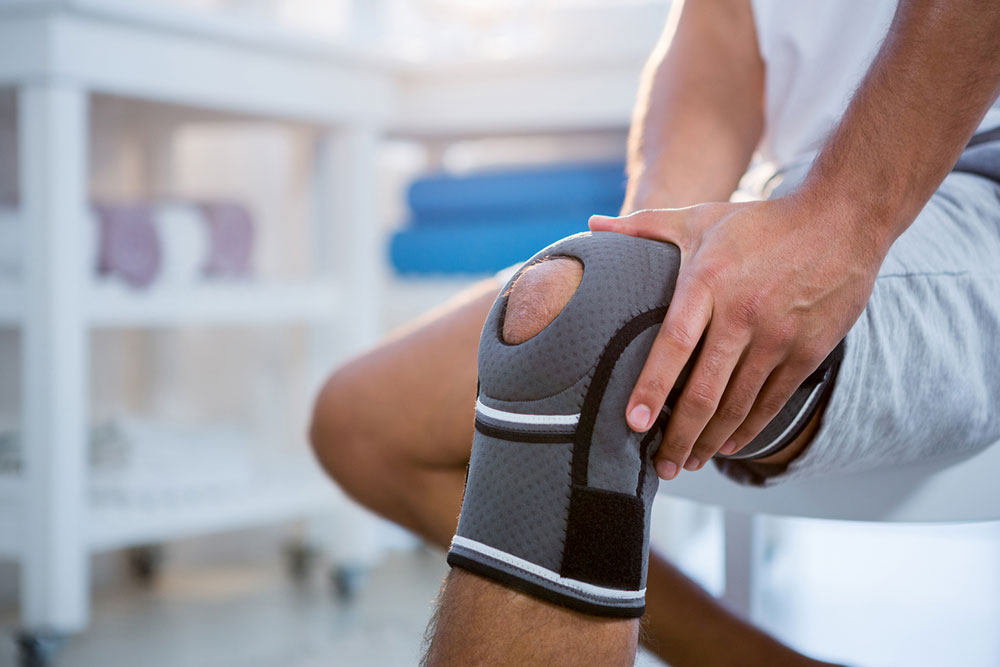
Designed with both arthritis patients and athletes in mind, this support provides excellent stabilization for issues like patellar instability, dislocation, and pain. Its open patella design reduces pressure directly on the kneecap, preventing aggravation of symptoms. The three-strap configuration ensures a snug yet breathable fit, promoting optimal movement control and comfort during sports, work, or leisure activities. Its durable construction makes it suitable for active individuals who require dependable joint support.
Neo G Closed Knee Support
Ideal for early-stage arthritis or when swelling is prominent, this neoprene brace offers stability while maintaining flexibility. It promotes blood circulation by retaining heat, which can aid in tissue healing and reducing stiffness. Its supportive design allows full range of motion, making it suitable for everyday use, especially during busy routines or light exercise.
Customized Knee Supports
Not all patients find standard braces perfectly fitting, especially those with unique joint anatomy or specific needs. In such cases, personalized knee supports are a valuable solution. Custom-made braces are crafted based on the individual’s measurements, ensuring a precise fit, enhanced comfort, and optimal support. Several manufacturers and orthopedic specialists offer bespoke solutions that can address complex issues and improve overall joint health, mobility, and quality of life.
Overall, selecting the right knee support requires understanding your specific condition, activity level, and comfort preferences. Consulting with a healthcare provider or orthopedic specialist can help determine the best option tailored to your needs, ensuring maximum benefit and minimal discomfort.