Comprehensive Guide to Choosing the Ideal Kitchen Countertop: Advantages and Disadvantages
Choosing the perfect kitchen countertop requires careful consideration of style, durability, and budget. This in-depth guide explores natural and synthetic materials, weighing their advantages and drawbacks. Learn how to select a surface that offers long-lasting beauty, practicality, and value for your home. From elegant stone to budget-friendly laminates, find tips on making an informed decision that enhances your kitchen's functionality and aesthetic appeal.
Complete Guide to Selecting the Perfect Kitchen Surface: Pros, Cons, and Key Considerations
Choosing the right kitchen countertop is a critical decision that impacts both the aesthetics and functionality of your culinary space. The ideal countertop should seamlessly blend style, durability, maintenance requirements, and budget considerations. With a plethora of options available—from natural stone to synthetic materials—making an informed choice requires understanding the benefits and potential drawbacks of each material. This comprehensive guide will explore various kitchen countertop materials, weigh their advantages and disadvantages, and provide practical tips to help you select the best surface for your needs.
Natural wood countertops have long been celebrated for their timeless appeal and warmth. These surfaces bring an inviting, rustic charm to any kitchen and are known for their robustness and ease of maintenance. They can be sanded and refinished multiple times, allowing for long-lasting beauty. However, high-quality wooden countertops come with a higher price tag, which might be a limiting factor for some homeowners. Additionally, wood is susceptible to moisture damage and scratches if not properly sealed and maintained, requiring periodic sealing and care to keep them looking their best.
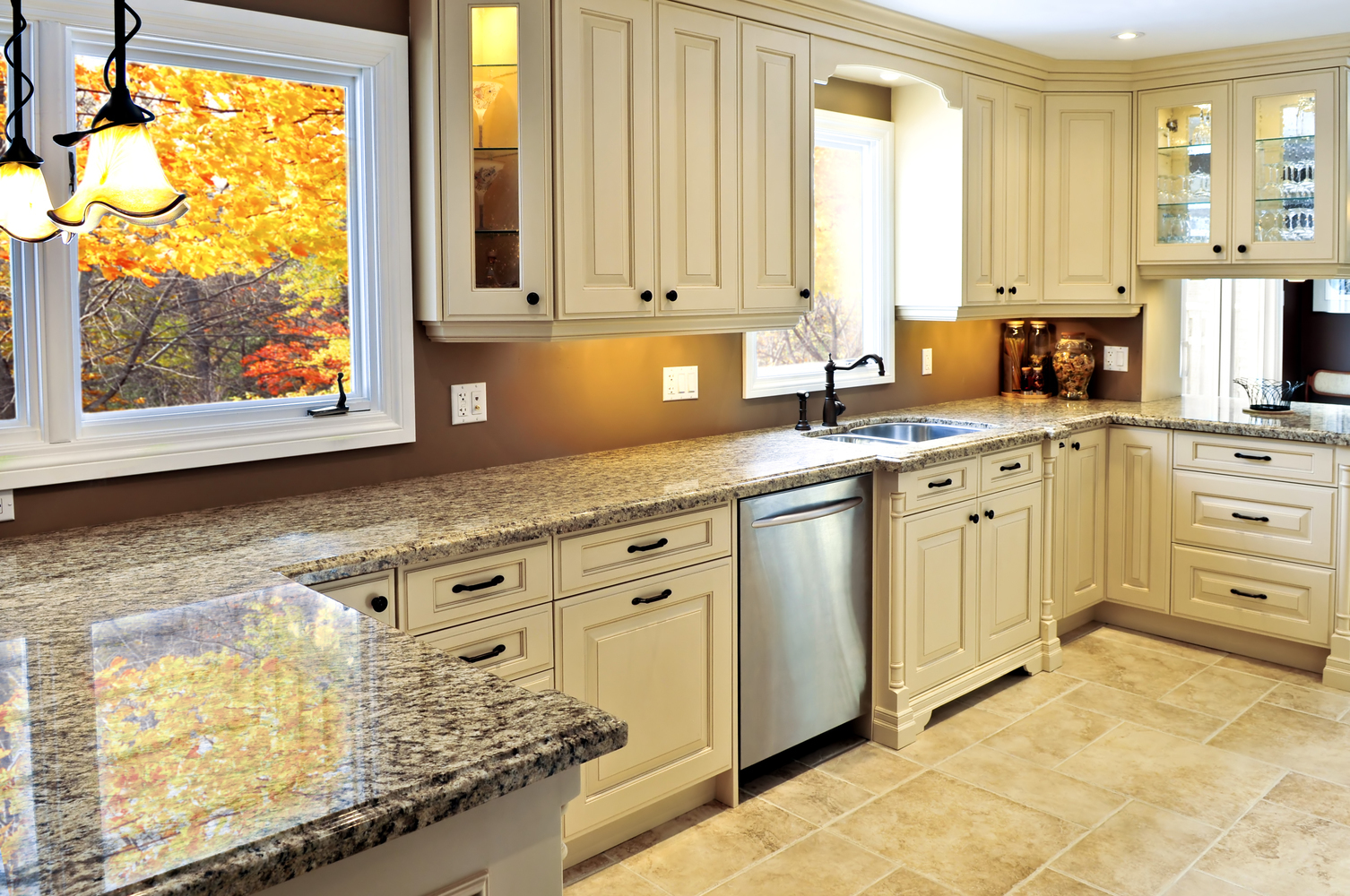
Stone surfaces, including granite, marble, soapstone, and quartzite, are highly popular for their natural beauty and exceptional durability. Granite, for example, offers a rugged, natural appearance and can withstand heavy use, making it a favorite among professional chefs and homeowners alike. Marble provides a luxurious, elegant look, often used in upscale kitchens, but it is more porous and prone to staining. Soapstone, on the other hand, is softer but resistant to bacteria and stains, developing a unique patina over time. These stone materials significantly enhance the value of your home and add a sophisticated touch to your kitchen.
The cost of natural and engineered stone surfaces can be substantial, but their aesthetic appeal and longevity often justify the investment. The decision to install stone countertops should consider both initial expenses and long-term durability. Tile countertops, primarily made from ceramic, serve as a budget-friendly alternative. These tiles come in a wide range of colors and patterns, allowing homeowners to customize their look easily. Ceramic tiles are highly resistant to heat and scratches and are relatively simple to install, making them suitable for DIY projects. However, the grout lines between tiles may require regular sealing and cleaning to prevent staining and mold buildup.
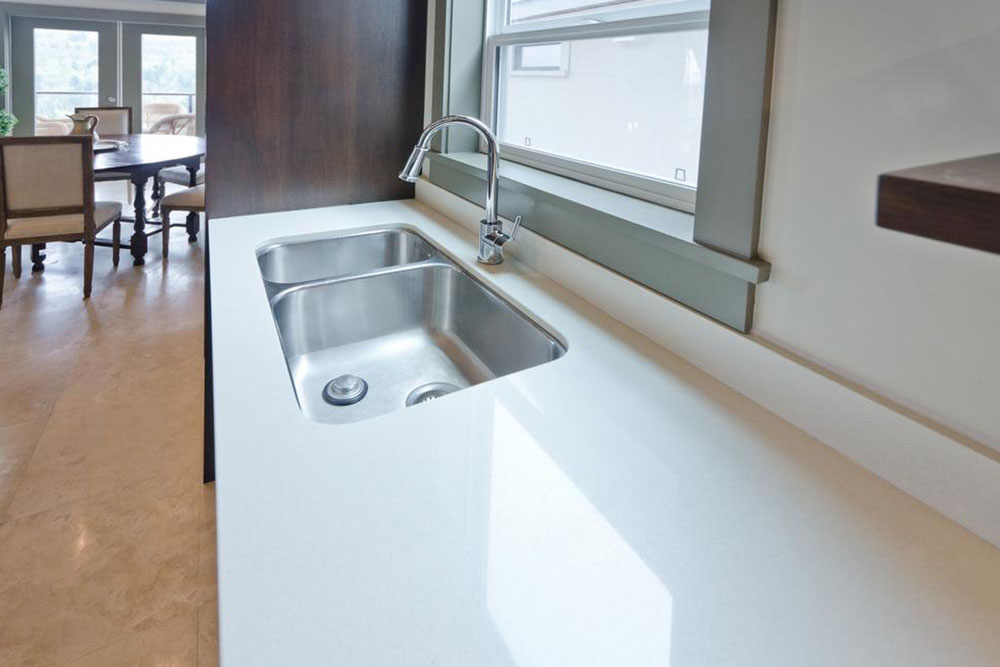
Engineered stone options, such as quartz surfaces, blend the natural beauty of stone with innovative manufacturing techniques that produce surfaces with reduced porosity and higher stain resistance. These materials mimic the appearance of natural stone but are less prone to cracking and staining, making them easier to maintain over time. Engineered stones tend to be priced lower than premium natural stones but still represent a significant investment, reflecting their durability and aesthetic qualities.
Synthetic materials like laminates and solid surface countertops are popular choices for homeowners on a budget. Laminate countertops are widely used due to their affordability, broad selection of designs, and ease of installation. They are scratch and heat-resistant but can be prone to chipping and damage from sharp objects. Solid surface materials, such as Corian, offer a more durable and seamless appearance, with options for repairs and reshaping. Their non-porous surface resists stains and bacterial growth, but they may not fully replicate the natural look of stone or wood, often resulting in a less authentic appearance.
Metal countertops, crafted from stainless steel, aluminum, or copper, are favored in professional kitchen settings for their strength, hygiene, and contemporary aesthetic. They are highly durable, heat-resistant, and easy to clean, making them an excellent option for busy cooking environments. However, metal surfaces can be prone to scratches, fingerprints, and tarnishing over time, requiring regular maintenance to preserve their appearance. The cost of metal countertops is generally higher relative to other synthetic options, reflecting their premium quality and durability.
In summation, selecting the perfect kitchen countertop involves balancing several factors—material cost, durability, maintenance, style, and your overall kitchen design. Natural materials such as stone and wood tend to be more expensive but are highly valued for their natural beauty and long-lasting qualities. Conversely, synthetic and engineered options offer budget-friendly alternatives without sacrificing functionality. Ultimately, an ideal kitchen countertop should be a harmonious blend of form and function, providing a durable, attractive, and practical surface that complements your lifestyle and enhances your home's overall appeal. Investing in the right countertop material is a key step toward creating a kitchen that is both stylish and efficient, suitable for everyday use and special occasions alike.