The Complete Guide to Premium Laminate Flooring for Modern Homes
Discover the comprehensive guide to premium laminate flooring, exploring its history, installation methods, styles, and maintenance tips. Learn how this versatile, cost-effective flooring option can elevate your modern home’s aesthetics while offering durability and easy DIY installation. Perfect for homeowners seeking stylish, resilient floors, this article covers everything you need to know to make an informed decision and ensure long-lasting beauty in your living space.
The Complete Guide to Premium Laminate Flooring for Modern Homes
Are you seeking a durable, stylish, and affordable flooring solution for your home? Premium laminate flooring has become a top choice among homeowners across the country, thanks to its versatility, ease of installation, and impressive aesthetic appeal. This comprehensive guide explores everything you need to know about laminate flooring — from its history and development to installation techniques, maintenance tips, and the latest innovations in the industry. Whether you're planning a renovation or simply considering upgrading your living space, understanding the benefits and nuances of laminate flooring will help you make an informed decision.
Laminate flooring, often referred to as floating wood tile, is a multi-layer synthetic surface designed to emulate the appearance of natural materials like hardwood or stone. The process involves bonding a photographic image of wood or stone with a durable transparent layer, all mounted over a fiberboard core infused with melamine resin. The distinct advantage of this flooring type lies in its ability to float above the subfloor, providing enhanced moisture resistance, excellent sound insulation, and a sleek, modern look. Its versatility makes it suitable for various rooms, including living rooms, bedrooms, kitchens, and even basements.
History and Evolution of Laminate Flooring
In 1977, the Swedish company Perstorp revolutionized the flooring industry by introducing laminate flooring under the Pergo brand, marking the beginning of synthetic flooring products that mimic real wood and stone.
First launched in Europe in 1984, laminate flooring quickly gained popularity for its affordability and durability before reaching the US market in 1994.
By 1996, innovative companies like Välinge Innovation (originally Välinge Aluminum) developed glueless laminate flooring systems, marketed under brands like Alloc and Fiboloc, dramatically simplifying installation processes.
In 1997, Belgian company Unilin introduced the click-lock system—an easy-to-install mechanism that revolutionized DIY flooring projects and increased consumer accessibility.
How to Install Laminate Flooring: A DIY-Friendly Process
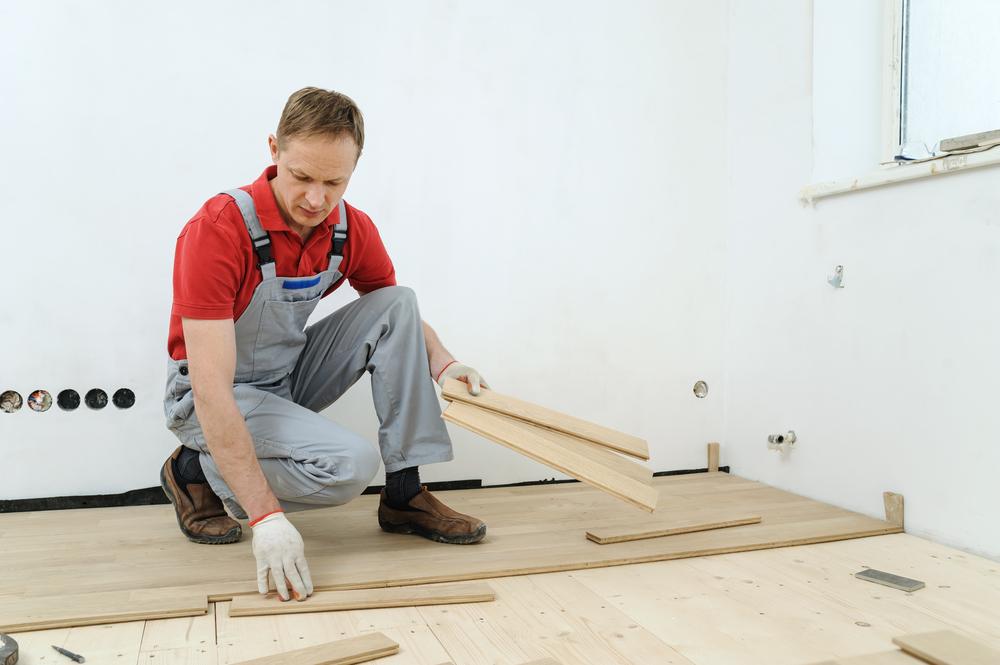
One of the reasons laminate flooring has become a favorite is because it is highly suitable for DIY projects, thanks to its simple click-and-lock system.
Typically, packages include planks with tongue-and-groove edges that snap together seamlessly without the need for nails or screws.
Various options, such as adhesive backing, can be included to provide extra stability and prevent movement over time.
Precise cutting is essential for fitting planks around edges, doorways, and fixtures. A saw or laminate cutter is used for neat, accurate cuts.
Removing existing baseboards during installation helps achieve a seamless look and makes laying the flooring easier.
Maintaining a small expansion gap around the room’s perimeter accommodates natural floor expansion and contraction, preventing warping or buckling.
Different Types of Laminate Flooring Based on Installation Methods
Glueless laminate flooring has grown in popularity because of its straightforward installation process, with planks that click together without adhesives.
Glued laminate involves applying adhesive to bond each plank, providing a more stable and durable surface but requiring more time and effort during installation.
Pre-glued options come with adhesive already applied to the edges; users simply click the planks into place, making the setup faster and easier.
Some flooring types come with attached underlayment, which reduces noise transmission and offers extra cushioning underfoot.
Varieties and Styles of Laminate Flooring
Wood-look laminate features realistic wood grain patterns, often with a textured surface and a protective acrylic coating. Many brands allow for sanding and refinishing over the years, extending the lifespan of the flooring.
Plastic imitation laminates utilize moisture-resistant fiberboard and display vibrant colors and patterns suitable for dry areas only.
Stone-imitating laminate designs replicate authentic stone surfaces, offering an elegant alternative to natural stone materials.
Tile-look laminates imitate ceramic or porcelain tiles, providing versatile decorating options that suit various interior styles.
Care and Maintenance for Long-Lasting Laminate Floors
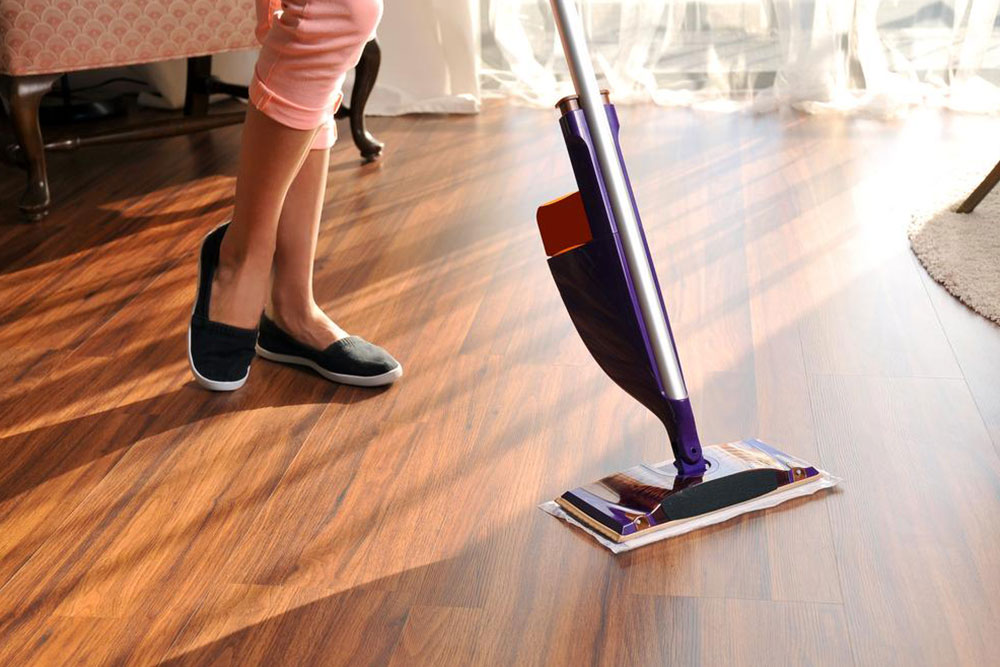
Avoid using steam cleaners or excessive wet mopping, as moisture can cause the fibers within the laminate to swell or warp.
Promptly clean up spills by blotting with a damp cloth. Never allow liquids to sit on the surface for extended periods.
For stubborn stains such as paint or ink, apply a small amount of acetone on a white cloth, then wipe with a damp cloth afterward.
Regular sweeping or vacuuming prevents dirt and grit from scratching the surface, maintaining the flooring’s appearance over time.
In conclusion, premium laminate flooring remains an exceptional choice for homeowners seeking an attractive, durable, and cost-effective flooring solution. With ongoing innovations in material design and installation techniques, laminate flooring continues to improve in quality and ease of use. Its ability to replicate the look of natural materials while offering superior resilience makes it an ideal option for modern homes.
Whether you're undertaking a DIY installation or hiring professionals, understanding the nuances of laminate flooring will ensure you achieve a stunning result that lasts for years. Proper maintenance will further extend its lifespan, keeping your home looking stylish and welcoming for the long term.