Comprehensive Guide to Ultraviolet Water Purification: Benefits, Functionality, and Practical Insights
Explore the comprehensive benefits and functioning of ultraviolet water purification systems. Learn how UV technology effectively disinfects water, removes harmful pathogens, and is easy to maintain, making it a reliable choice for safe drinking water at home. Understand its advantages and limitations to make informed decisions about water safety and hygiene.
Comprehensive Guide to Ultraviolet Water Purification: Benefits, Functionality, and Practical Insights
Ultraviolet (UV) water purification technology has gained significant popularity due to its effectiveness and cost-efficiency in disinfecting drinking water. Employing advanced UV wavelengths, this method is capable of eliminating a wide array of harmful biological contaminants that pose health risks to households and communities alike. Unlike conventional chemical disinfectants such as chlorine, UV treatment offers a chemical-free approach that ensures safe, clean water without leaving residual tastes or odors.
UV water purification is particularly adept at neutralizing waterborne pathogens—including viruses, bacteria, and molds—that can cause serious health issues. Its ability to target resilient viruses, such as hepatitis and other enteric viruses, which often withstand traditional chlorination and other disinfectants, makes UV treatment an essential component of modern water disinfection systems.
Understanding How UV Water Purification Works
At its core, UV water disinfection involves exposing water to ultraviolet light, which is emitted at approximately 254 nanometers—an optimal wavelength for germicidal activity. This specific UV wavelength is recognized for its ability to break down the DNA and RNA of microorganisms, rendering them incapable of reproducing and causing infections.
The UV light source is usually a mercury vapor lamp enclosed within a quartz sleeve that allows UV rays to penetrate the water efficiently. As water flows through the system, it passes through a chamber where it is exposed to this powerful UV radiation.
The clean, high-intensity UV light emitted from the lamp destroys the microorganisms’ cellular structures, effectively inactivating them. This process ensures that the water leaving the system is free from living pathogens, making it safe for human consumption.
The lamps are constructed from specialized quartz glass, which facilitates a focused UV emission at around 254 nanometers. Inside the lamp, vaporized mercury is excited by an electric arc—produced by low-voltage electrical currents—generating the germicidal UV rays essential for disinfection. These lamps operate in a low-pressure environment, enhancing their UV output and operational efficiency.
The Path to Pure Water: The Role of Pre-Filters
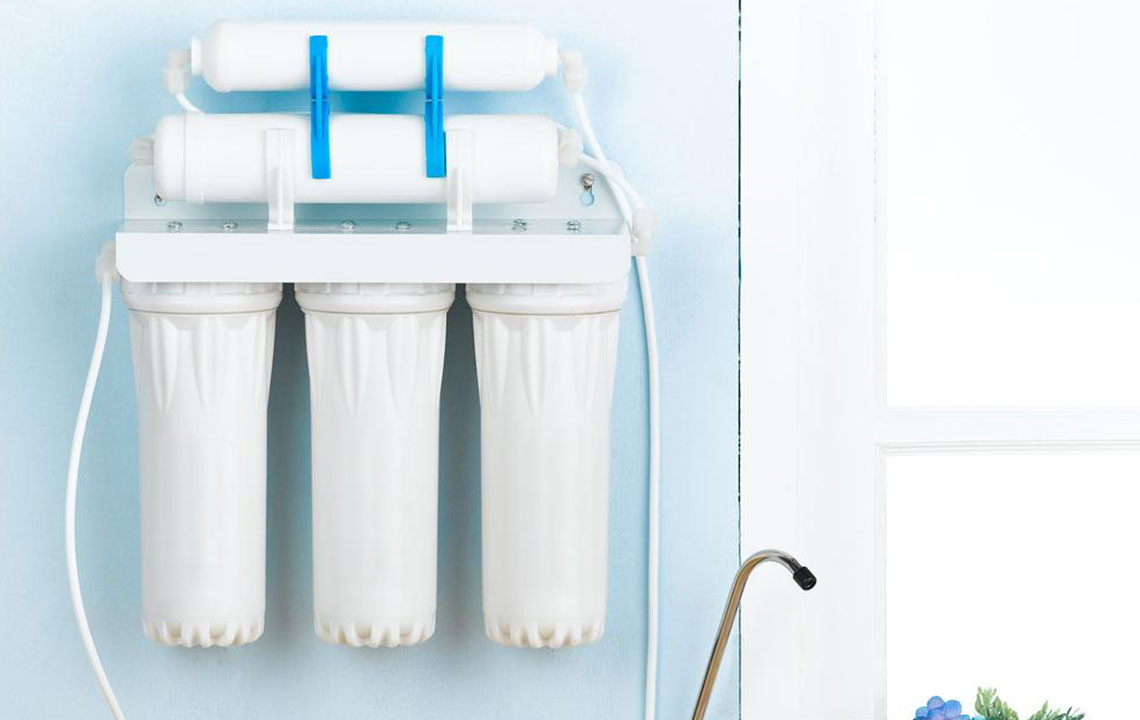
Before water reaches the UV chamber, it typically passes through a pre-filtration stage—most commonly involving a 5-micron filter—to reduce turbidity and particulate matter. This step is critical because suspended solids and organic matter can hinder UV light penetration, diminishing the system’s effectiveness.
By removing debris and reducing cloudiness, pre-filters optimize UV transmission, ensuring that all pathogens are exposed to the germicidal rays, thereby enhancing overall disinfectant efficiency.
Pros and Cons of UV Water Purification Systems
Advantages
One of the most significant benefits of UV purification is its ability to eliminate a broad spectrum of waterborne pathogens swiftly and reliably without chemicals, making it a safe and eco-friendly option.
Investing in UV water treatment systems is generally affordable. Personal units can be purchased for as little as $250, while larger, whole-house systems typically cost up to $1500, depending on capacity and features.
UV systems have low operational costs—they consume roughly 100 watts of electricity—making them energy-efficient and economical over the long term.
These systems are compact, easy to install, and simple to maintain, often requiring only routine replacement of UV lamps and regular cleaning for optimal operation. They pose no threat to existing plumbing infrastructure or septic systems.
Limitations
One noteworthy limitation is their dependence on electrical power. During power outages or system failures, UV disinfection halts, potentially leaving water untreated if backup measures are not in place.
Since UV light is invisible to the naked eye, verifying system performance can be challenging. Regular maintenance, including bi-annual bulb and filter replacements, is essential to ensure continuous effective disinfection.
UV systems do not provide residual disinfectant, meaning if water is recontaminated after treatment, continuous precautions are required to maintain water safety.
In conclusion, UV water purification offers a highly effective, chemical-free solution for ensuring clean drinking water. Its ability to destroy nearly all types of waterborne pathogens, combined with low operational costs and ease of use, makes it a preferred choice for households seeking a reliable disinfection method. However, understanding its limitations and maintaining the system properly are key to ensuring optimal performance and sustained water safety.