2024 Solar Eclipse: Your Ultimate Guide to the Celestial Spectacle
The 2024 solar eclipse is a spectacular astronomical event that will traverse North America, providing an incredible viewing experience. This comprehensive guide covers the eclipse’s path, best viewing locations across Mexico, the US, and Canada, safety tips, and essential information to help you enjoy this rare celestial phenomenon to the fullest. Mark your calendar for April 8, 2024, and prepare for an unforgettable moment when the Moon temporarily covers the Sun, revealing the universe’s breathtaking natural beauty.
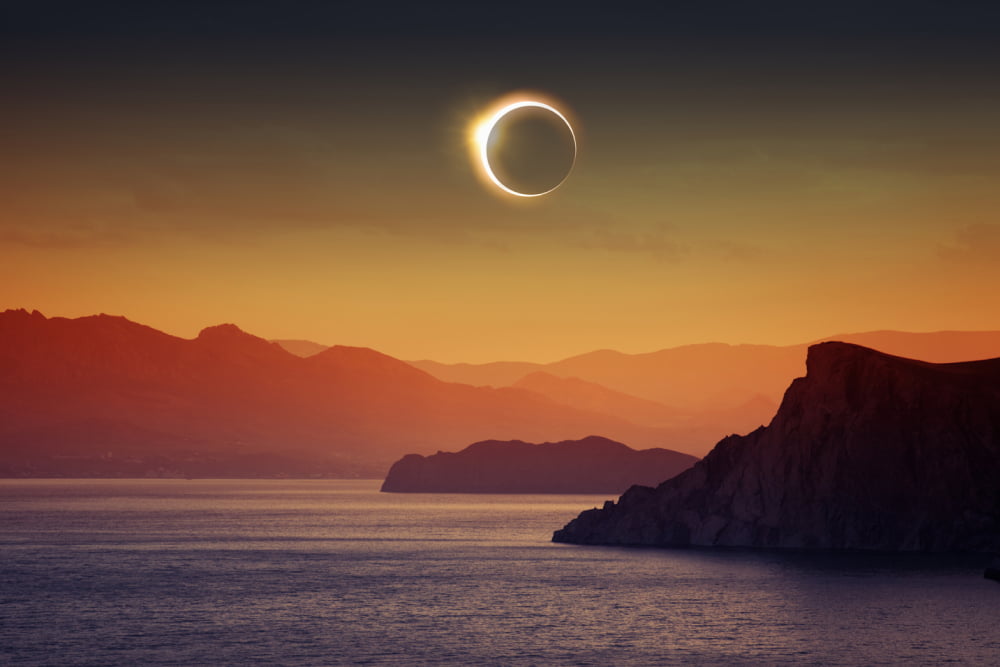
2024 Solar Eclipse: Your Ultimate Guide to the Celestial Spectacle
The upcoming solar eclipse in 2024 is set to be one of the most captivating astronomical events of the decade, drawing skywatchers, scientists, and photography enthusiasts from around the world. When the Moon moves directly between Earth and the Sun, it causes a mesmerizing celestial phenomenon known as a total solar eclipse. This rare event provides a stunning display, transforming the sky and offering a unique chance to observe the universe’s natural beauty. Whether you’re a seasoned astronomer or a casual sky gazer, understanding the details and best practices for viewing this eclipse are essential to making the most of this once-in-a-lifetime occurrence.
Comprehensive Overview of the 2024 Solar Eclipse Path
Scheduled for April 8, 2024, the eclipse's path of totality will cross North America, promising an extraordinary visual experience for millions. The path of totality refers to the narrow corridor where the Sun will be completely hidden by the Moon, creating dark skies in the middle of the day, revealing solar corona, and providing a truly awe-inspiring spectacle.The primary corridor of totality begins along Mexico's Pacific coast and sweeps through the interior of the country, continuing northeastward into eastern Canada. Major cities such as Mazatlán, Durango, Dallas, Indianapolis, and Montreal will be in the path and will experience the full eclipse, with the sky darkening as if it were twilight. Regions outside this corridor will see a partial eclipse, where only part of the Sun is covered by the Moon, offering impressive but less dramatic views.
Prime Viewing Locations for Maximum Impact
To witness this spectacular event at its best, selecting the right location is crucial. Here are some of the top prime spots along the path where viewers can experience the eclipse in full glory.Mexico
Mazatlán – Situated on Mexico’s pristine Pacific coast, Mazatlán boasts not only spectacular coastal scenery but also clear skies, making it an ideal site for eclipse enthusiasts. Its laid-back atmosphere, combined with parks and beaches, enriches the viewing experience. The city’s relatively mild climate in April ensures optimal weather conditions for outdoor viewing, and the ocean backdrop adds a picturesque dimension to the event.
Durango – Surrounded by the majestic Sierra Madre Occidental mountains, Durango offers a dramatic setting for the eclipse. Its lush forests, cascading waterfalls, and snow-capped peaks make it an excellent landscape for viewing. The city is well-equipped with observatories and parks where visitors can gather for a memorable experience while enjoying local culture and hospitality.
United States
Dallas, Texas – Known for its vibrant urban scene and expansive green spaces, Dallas is among the best urban centers for eclipse viewing. Parks like Klyde Warren and White Rock Lake provide open spaces ideal for setting up telescopes or simply enjoying the view with friends and family. The city’s excellent infrastructure and amenities also make it convenient for visitors traveling from afar.
Indianapolis, Indiana – With its widespread parks and open areas such as Eagle Creek Park and Fort Harrison State Park, Indianapolis offers perfect vantage points for observing the eclipse in daylight. The city's friendly atmosphere and relatively low traffic congestion around these parks make it an attractive destination for eclipse chasers.
Canada
Montreal, Quebec – As a cultural and historical hub, Montreal combines urban sophistication with prime natural vistas. Viewing spots like Mt. Royal Park, Old Port, and the nearby Laurentian Mountains offer elevated and scenic locations for eclipse watchers. The city's vibrant atmosphere, museums, and cafes also allow attendees to enjoy the day both during and after the eclipse.
Safety Measures for an Enjoyable and Safe Viewing Experience
Ensuring eye safety is paramount when observing a solar eclipse. The Sun’s rays are intensely harmful to unprotected eyes, especially during partial phases. Here are essential safety tips to keep in mind:
Certified Solar Viewing Glasses – Always wear glasses labeled with ISO 12312-2 certification. These glasses block out harmful ultraviolet, visible, and infrared rays, preventing potential eye damage.
Solar Filters for Equipment – When using telescopes, binoculars, or cameras, attach proper solar filters specifically designed for solar observation. Never look through optical devices without these filters, as they can concentrate sunlight and cause severe eye injury.
Avoid Direct Sun-Gazing – Never stare directly at the Sun without appropriate eye protection, even if the Sun appears partially shaded. Use indirect viewing methods if you do not have protective gear.
Supervise Children and Pets – Keep children and animals under close supervision during the event to prevent accidental exposure to direct sunlight.
Arrive Early and Be Prepared – Popular viewing spots may become crowded. Arriving early ensures you secure a good position and allows time to set up and prepare your equipment properly.
Final Words on the 2024 Solar Eclipse
This celestial event is a rare and fleeting opportunity to witness one of the universe’s most mesmerizing phenomena. With advancements in technology, comprehensive viewing guides, and ample informational resources, enthusiasts can enjoy the eclipse with both safety and wonder. Mark your calendar for April 8, 2024, prepare your gear, and plan your trip to witness the Moon’s fleeting cover of the Sun. Share this extraordinary experience with loved ones and capture unforgettable moments of this natural spectacle—an awe-inspiring reminder of our universe’s grandeur and beauty.