Comprehensive Guide to Restoring a Lush, Green Lawn Through Overseeding
Revitalize your lawn with expert overseeding tips. Learn how to prepare your yard, choose the right seed, apply evenly, and maintain your grass for a lush, green, and healthy outdoor space. Perfect for patchy or thin lawns, this comprehensive guide ensures professional results and a thriving yard for seasons to come.
Comprehensive Guide to Restoring a Lush, Green Lawn Through Overseeding
A vibrant, healthy lawn is often the centerpiece of an attractive outdoor space, providing a perfect setting for relaxation, play, and outdoor gatherings. However, over time, lawns can become patchy, thin, or plagued with bare spots due to various factors such as weather, foot traffic, or pests. Fortunately, overseeding offers an effective solution to rejuvenate your lawn, making it thicker, greener, and more resilient. This comprehensive guide will walk you through each essential step involved in overseeding your lawn, ensuring you achieve professional-quality results even if you're a first-time gardener.
Whether you're dealing with patches caused by lawn diseases, drought stress, or simply looking to upgrade your current turf, overseeding can dramatically transform your yard. This process involves planting new grass seed directly into existing turf, promoting dense growth and filling in bare areas. Proper execution of each step—from soil preparation to ongoing maintenance—is crucial for successful overseeding. So, let’s dive deep into the details of transforming your outdoor space into a lush, verdant paradise.
1. Prepare Your Lawn for Overseeding
Before seeding, it’s vital to create optimal conditions for the new grass to grow vigorously. Start by mowing your existing lawn to a short height, around 1.5 to 2 inches. This not only promotes better seed-to-soil contact but also reduces competition from existing grass. After mowing, rake the lawn thoroughly to remove debris, dead grass, and thatch—a layer of organic material that can hinder seed germination. Thinning out dense thatch ensures proper soil contact and air circulation, which are critical for seed success. In some cases, aeration might be beneficial; aerating involves perforating the soil with small holes to improve airflow, water penetration, and nutrient absorption.
2. Choosing the Right Grass Seed for Your Climate
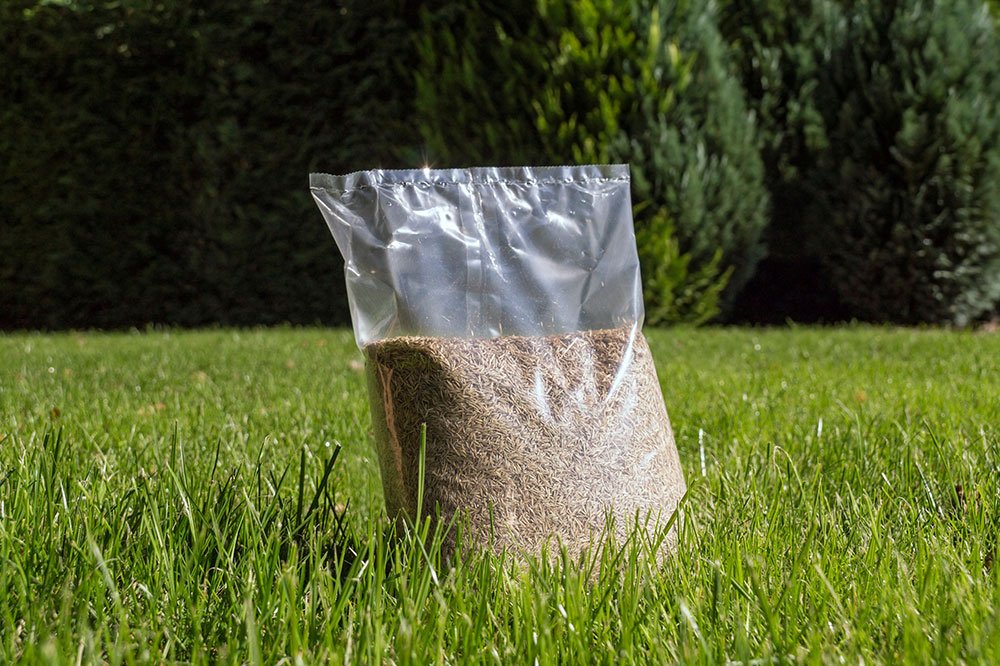
Selecting the appropriate seed mixture is fundamental to a successful overseeding project. Your choice should be based on your local climate, soil type, sunlight exposure, and intended lawn use. For example, cool-season grasses such as Kentucky bluegrass, perennial ryegrass, or fine fescues thrive in northern regions with colder winters, while warm-season grasses like Bermuda, Zoysia, or St. Augustine are better suited for southern climates. Opt for high-quality, disease-resistant seed varieties from reputable suppliers. Read labels carefully to ensure the seed has desirable traits such as drought tolerance, shade resistance, and rapid germination. Using the right seed not only enhances lawn appearance but also prolongs its health and durability.
3. Proper Overseeding Techniques
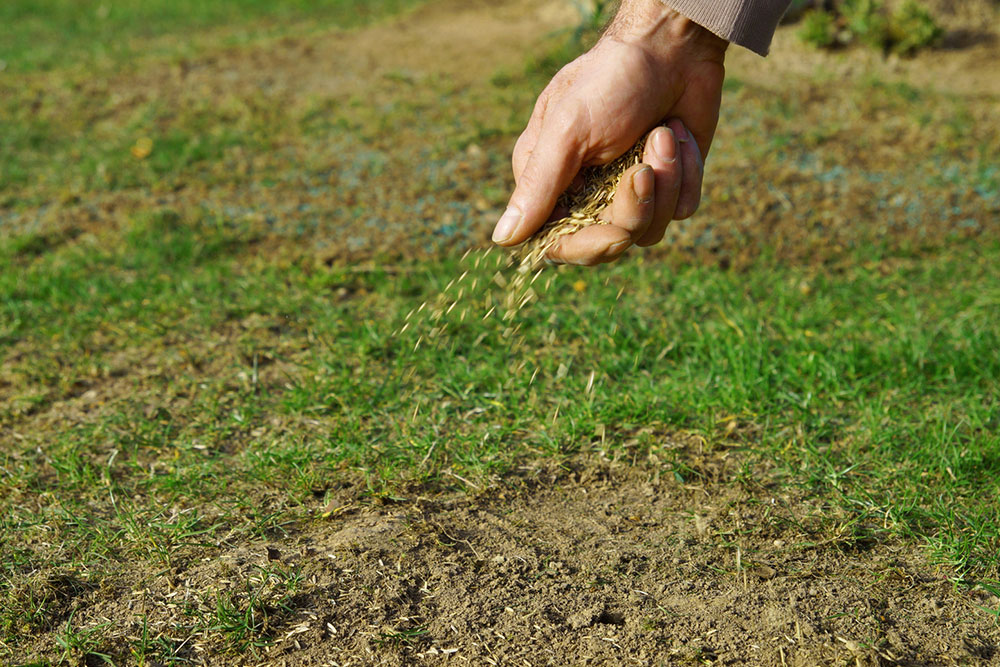
Distributing the seed evenly is crucial for uniform growth. Use a broadcast spreader for large areas or hand spread for smaller patches, ensuring an even application. Always follow the recommended seeding rate indicated on the seed packaging, as over- or under-seeding can impact results. After spreading, lightly rake the soil or press the seed into the ground using a roller or a lawn roller to improve seed-to-soil contact. In some cases, topdressing with a thin layer of compost or soil can help protect the seed and provide essential nutrients. Adequate coverage prevents weed invasion and encourages thick, healthy growth.
4. Watering and Post-Seeding Care
Consistent watering is critical during the germination phase. Keep the soil moist but not waterlogged, watering lightly multiple times daily until the new grass reaches about 3 inches in height. This ensures the seeds germinate effectively and establish strong roots. As the grass begins to grow, gradually reduce watering frequency but increase the depth of each session. Avoid mowing the new grass until it reaches a height of approximately 3 inches to prevent damage and promote dense foliage. Regular fertilizing, especially with a starter fertilizer rich in phosphorus, helps foster healthy root development. Patience and ongoing maintenance are key—your efforts will pay off with a lush, invincible lawn.
Overseeding is a straightforward yet powerful method to rejuvenate tired or sparse lawns. By following these detailed steps—thorough soil preparation, selecting the best seed, precise application, and diligent aftercare—you can transform your yard into a verdant oasis. This process not only enhances aesthetic appeal but also improves the overall health and resilience of your turf. With dedicated effort, your outdoor space will become a beautiful, thriving area for relaxation, entertainment, and outdoor activities, year after year.