Comprehensive Guide to Maintaining and Caring for Your Replacement Windows
This comprehensive guide offers detailed tips for maintaining and caring for your replacement windows. From cleaning and inspecting weather seals to hardware checks and upgrades, learn how regular maintenance can extend the lifespan and improve the performance of your windows. Proper care ensures energy efficiency, safety, and aesthetic appeal, saving you money and preserving your home's value over time.
Comprehensive Guide to Maintaining and Caring for Your Replacement Windows
Investing in replacement windows significantly enhances your home's energy efficiency, aesthetic appeal, and overall value. However, to maximize these benefits, regular maintenance and proper care are essential. Proper upkeep not only prolongs the lifespan of your windows but also ensures they function smoothly, keep your home comfortable, and contribute to lower energy costs. In this comprehensive guide, we will explore detailed strategies and tips for maintaining your replacement windows, from cleaning and inspecting to repairs and upgrades. Whether you're a seasoned homeowner or new to window care, understanding these practices will help you keep your windows in optimal condition for years to come.
Here are some important tips and maintenance techniques you should incorporate into your routine:
Regular Cleaning of Glass and Frames
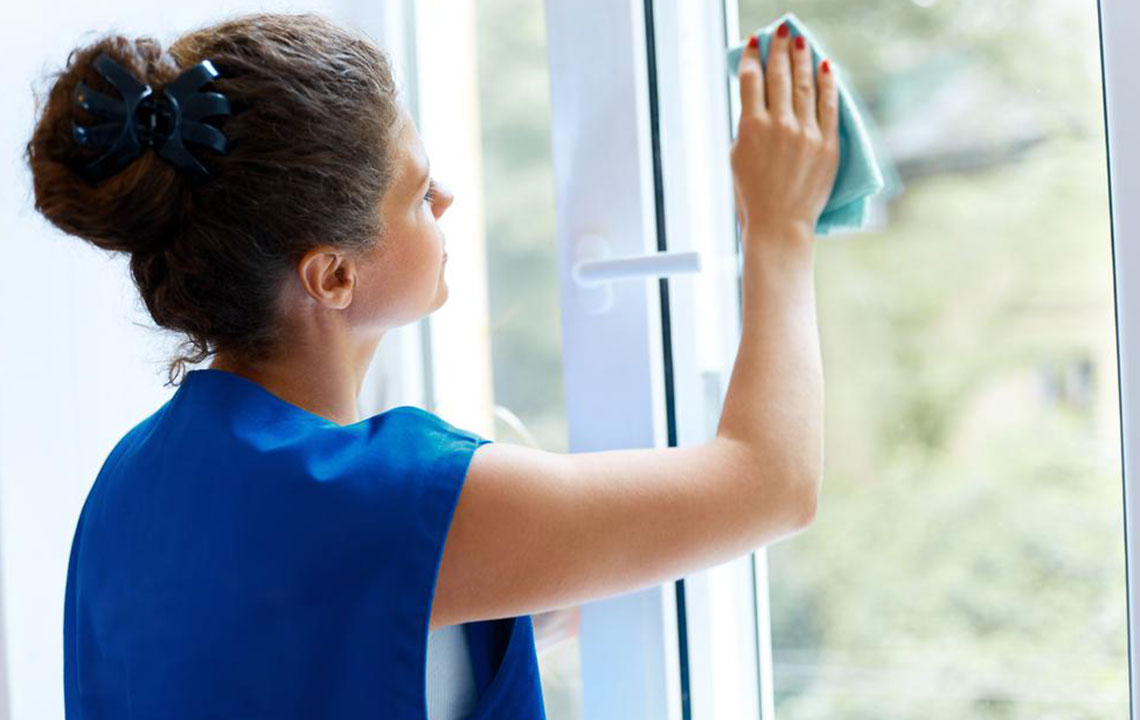
Maintaining the cleanliness of your replacement windows is fundamental. Dirt, dust, debris, and cobwebs accumulate over time, especially on the sills, tracks, and glass surfaces. Use a soft cloth, microfiber towel, or a gentle brush to clean these areas at least once a year or more frequently if needed. When cleaning the glass, employ a manufacturer-approved cleaner suitable for your window type—whether it’s glass, vinyl, or aluminum—to avoid damage and achieve a streak-free shine. For the frames, use a non-abrasive cleaner, and for stubborn grime, a solution of mild soap and water works effectively. Keeping the surfaces clear and clean facilitates smooth operation, reduces wear and tear, and maintains the windows' aesthetic appeal.
Inspecting Weather Seals and Insulation
Weather seals and stripping play a critical role in maintaining your home's insulation. They prevent drafts, heat loss, and moisture infiltration that can compromise indoor comfort and increase utility bills. Conduct an annual inspection of these seals—look for cracks, brittleness, or any signs of deterioration. Damaged weather-stripping should be replaced promptly. Seals can be replaced individually or as a kit, depending on the window model. Properly maintained seals enhance energy efficiency by maintaining a tight seal around the sash or frame. Upgrading to high-quality, durable weather stripping can yield long-term savings by reducing heating and cooling costs.
Periodic inspection for signs of wear, such as cracking or peeling, is vital. If you detect damage during your assessment, consult a professional to handle repairs safely and effectively. A small issue can escalate to larger problems if ignored, potentially leading to leaks or compromised insulation. Addressing these issues early not only restores your windows' performance but also prevents costly future repairs.
Checking Hardware and Moving Parts
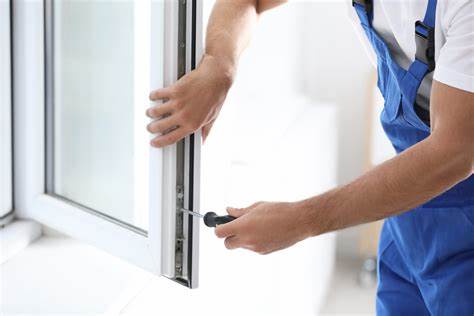
Windows are equipped with various hardware components like locks, hinges, and handles that ensure security and ease of use. Regular testing of these parts guarantees that all mechanisms operate smoothly. Lubricate hinges, locks, and moving parts with a silicone-based lubricant to prevent rust and ensure smooth functionality. Replace any broken or malfunctioning hardware promptly, as this can impact both security and ease of operation. Not only does this keep your windows functioning properly, but it also enhances home safety by ensuring that locking mechanisms are secure.
Replacing Glass and Hardware When Necessary
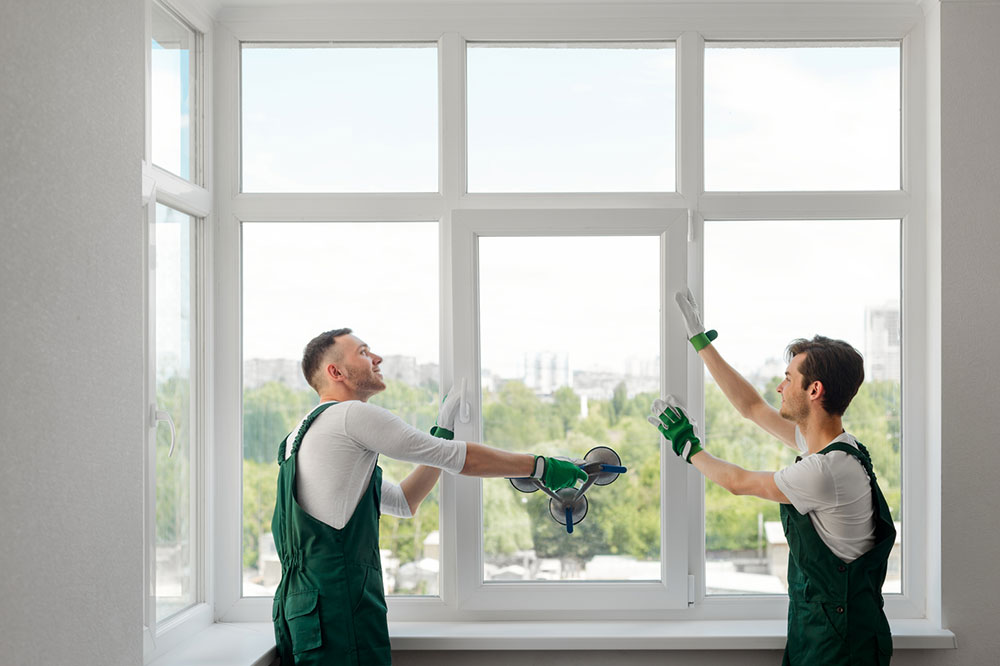
Over time, the glass panes in your replacement windows may need replacement, especially if they become cracked, foggy, or damaged. Post-warranty, or if you desire improved energy efficiency, consider hiring a professional to replace weather-stripping, sashes, or panes of glass. Upgrading to double-glazed or low-emissivity (low-E) glass can significantly improve insulation, reduce heating and cooling bills, and enhance your home's comfort. Certified glaziers can replace insulating glass units (IGUs) effectively, restoring performance and appearance. Regularly assessing the condition of your glass and hardware ensures your windows remain durable and energy efficient.
Seals around IGUs tend to weaken over time due to exposure to weather and temperature fluctuations. If you notice condensation between panes or fogging, it’s likely time for seal replacement. A professional glazier can re-seal or replace these components, maintaining the window's insulating properties. Proper sealing is critical to prevent moisture intrusion and keep your windows performing optimally.
General Maintenance Strategies
Beyond cleaning and inspections, some additional maintenance practices support the long-term operation of your replacement windows. Minimizing indoor humidity levels reduces the risk of mold, mildew, and condensation. Use exhaust fans in bathrooms and kitchens, and ensure proper ventilation. Venting your windows correctly allows excess moisture to escape, preventing damage to paint, wallpaper, and cabinetry. Consider installing humidity sensors and dehumidifiers if necessary. Regularly checking and maintaining these systems will contribute to a healthier indoor environment and extend the life of your windows and surrounding materials.
In summary, consistent and attentive care for your replacement windows offers numerous benefits. Proper cleaning, prompt repairs, and periodic upgrades not only preserve your investment but also keep your home energy-efficient, comfortable, and visually appealing. With these tips, you can enjoy windows that perform at their best for many years while maintaining the aesthetic charm of your home.