Comprehensive Guide to Designing a Productive and Affordable Home Office
This comprehensive guide provides practical tips for creating a productive and budget-friendly home office. From choosing the right space and furniture to eco-friendly practices and DIY personalization, it helps you design a workspace that boosts efficiency and suits your style. Perfect for remote workers looking to optimize their home setup, this article emphasizes resourcefulness, organization, and personalization, making remote work comfortable and enjoyable without high costs.

Comprehensive Guide to Designing a Productive and Affordable Home Office
In today’s evolving work environment, the concept of working remotely has become more prevalent than ever before. As more individuals transition to remote work, establishing a dedicated, efficient, and comfortable home office is not just a luxury but a necessity. Creating a well-organized home workspace can significantly boost productivity, enhance focus, and contribute to overall well-being. Interestingly, designing such a space doesn't require a hefty investment; with strategic planning, smart shopping, and resourcefulness, anyone can set up an inspiring home office without breaking the bank. This comprehensive guide will walk you through the essential steps and practical tips to help you craft a functional, eco-friendly, and personalized home workspace that aligns with your budget and style.
Identify and Reserve a Dedicated Area for Work
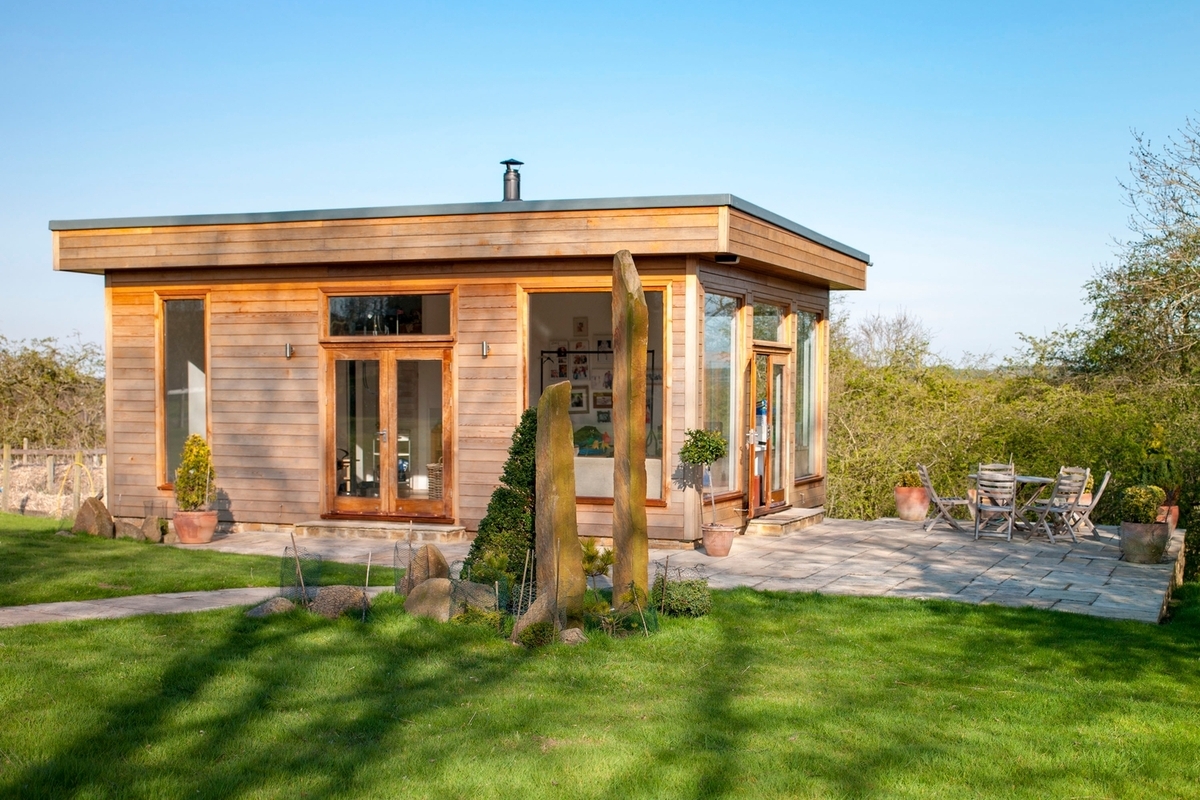
The foundation of an effective home office is selecting the right location within your home. Ideally, this should be a quiet corner or an unused room where you can establish boundaries. Transforming an underutilized space, such as a spare bedroom, an attic nook, or even a section of a living room, into your dedicated workspace can greatly improve focus and limit distractions. Keeping this area exclusively for work-related activities helps reinforce a work routine and prevents spillover that can disrupt personal relaxation. Ensure the space is well-lit, ventilated, and separated from high-traffic zones to optimize concentration. Avoid cluttering your workspace with personal items; instead, designate specific storage solutions to maintain an organized environment.
Plan Your Essential Furniture and Equipment
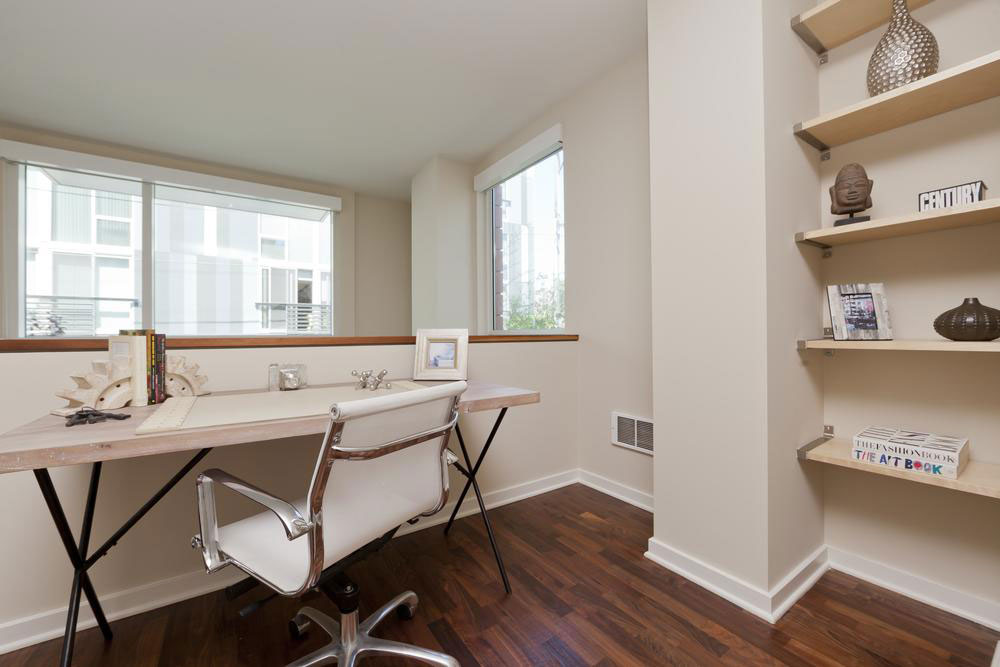
A functional home office requires the right furniture and accessories tailored to your needs. Start with a sturdy desk that provides ample space for your computer, documents, and other essentials. Pair it with a comfortable ergonomic chair—investing in good posture support is crucial for long work hours. Shelving units, filing cabinets, and storage boxes help keep your workspace tidy and enable quick access to necessary documents. To maximize budget friendliness, look for deals during seasonal sales at retailers like IKEA, Raymour & Flanigan, or other local furniture stores. Multipurpose furniture, such as a desk with built-in storage or a bookshelf that doubles as a room divider, can save space and money. Additionally, incorporating tech essentials like a reliable Wi-Fi connection, quality monitor, and energy-efficient printer/scanner devices will streamline your workflow. Opt for energy-saving electronics to reduce utility bills and lessen environmental impact.
Adopt Eco-Friendly Practices for Sustainability
An eco-conscious home office not only benefits the environment but can also lead to lower operational costs. Use energy-efficient electronics, such as LED lighting and ENERGY STAR-rated appliances, to minimize electricity consumption. Reusable items like cloth-bound notebooks, recycled paper, and refillable pens support sustainability. Incorporating plants into your workspace can improve air quality and create a calming atmosphere. These small, mindful choices about resource usage contribute to a greener lifestyle and can make your home office more inviting and healthier.
Maximize Resourcefulness by Repurposing Household Items
Before purchasing new items, assess your existing household supplies. A repurposing approach can significantly cut costs while adding personality to your workspace. Old lamps can be updated with new shades, and unused furniture can be painted or modified to suit your aesthetic. For instance, an antique dresser can serve as a file cabinet, while decorative baskets can store office supplies. Repurpose household items such as jars, boxes, and trays as organizers. Continue using your current internet and landline services to avoid additional expenses, ensuring your setup remains budget-friendly.
Get Creative and Personalize Your Workspace
Personal touches make your home office a pleasant and motivating environment. Use everyday objects creatively—flower pots can become pen holders, and decorative fabric can be used to customize storage bins. Decorating walls with inspiring quotes, artwork, or family photos adds a touch of personality. Painting or redecorating your walls yourself is an affordable way to refresh the space and reflect your style. Browse online platforms or social media for DIY ideas, tips, and inspirational designs that fit your budget. The key is to make your workspace functional yet inspiring, encouraging you to work comfortably and happily every day.
Ultimately, designing an efficient home office hinges on thoughtful planning, resourcefulness, and personalization. A well-organized and aesthetically pleasing workspace helps optimize productivity, reduce stress, and make remote working a more enjoyable experience. By shopping during sales, repurposing household items, and incorporating eco-friendly practices, you can create a professional environment that supports your work goals without overspending. With these strategies, anyone can build a home office that is both budget-conscious and inspiring.