Innovative Strategies to Boost Your Grocery Store's Market Value and Customer Loyalty
Discover comprehensive strategies to elevate your grocery store's market value by expanding product options, enhancing customer experiences, and implementing personalized marketing. Learn how diversifying offerings like organic and ready-to-eat foods, leveraging delivery incentives, and engaging with customers can create a competitive edge and foster loyalty. Adapt innovative practices to thrive in a competitive retail landscape and build a reputable, profitable business that meets modern consumer demands.
Innovative Strategies to Boost Your Grocery Store's Market Value and Customer Loyalty
In today’s highly competitive retail environment, especially within the grocery sector, staying ahead demands continuous innovation and strategic adaptation. With consumers expecting a broader range of quality products, personalized services, and seamless shopping experiences, grocery store owners must explore various tactics to distinguish their brand and enhance overall value. Despite operating within tight profit margins and often limited product ranges, there are numerous effective approaches to maximize the worth of your grocery store and build a loyal customer base.
One of the most impactful ways to add value is to diversify your product offerings beyond traditional staples. For example, if your store experiences high sales of bread, consider expanding your selection to include specialty options such as gluten-free, multigrain, organic, and artisanal breads. Catering to various dietary preferences not only attracts new customers but also encourages repeat visits. Similarly, broaden your baked goods selection to feature assorted cookies, muffins, and health-conscious options like low-sugar or high-protein treats. Such diversity can set your store apart from competitors who stick to standard products.
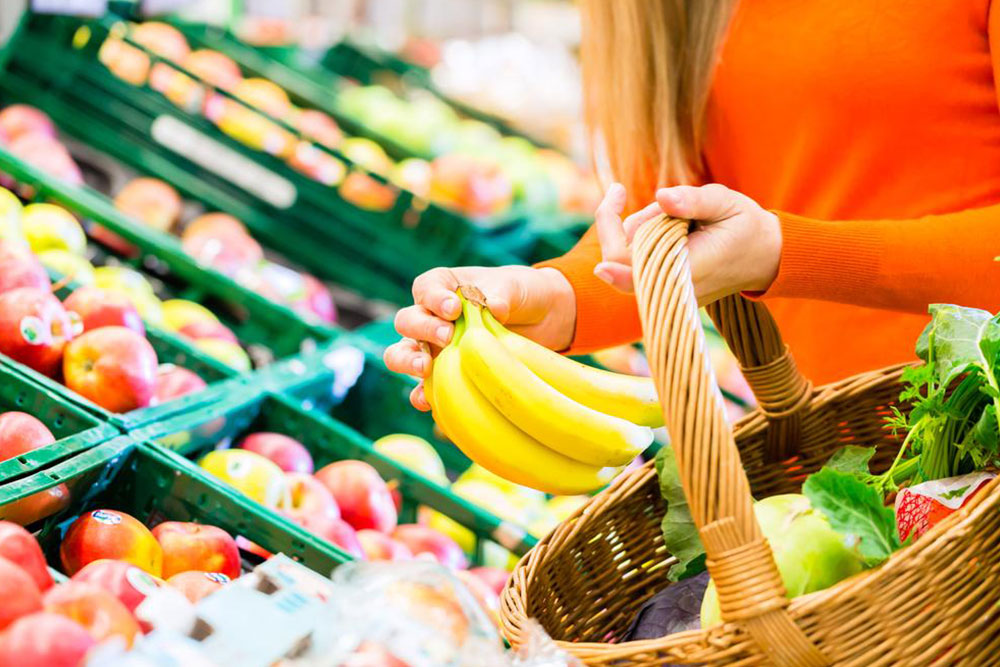
In addition to expanding product lines, emphasizing health-conscious and convenient options resonates well with today's consumers. The rising popularity of organic foods and ready-to-eat meals offers excellent opportunities to draw health-aware clients and busy professionals looking for quick, nutritious solutions. Stocking organic fruits, vegetables, snacks, and beverages can attract health enthusiasts seeking high-quality, sustainable choices. Meanwhile, ready-to-eat meals, prepared salads, and snack packs enable consumers to save time while maintaining a healthy diet. Incorporating these items into your store can significantly increase foot traffic and sales.
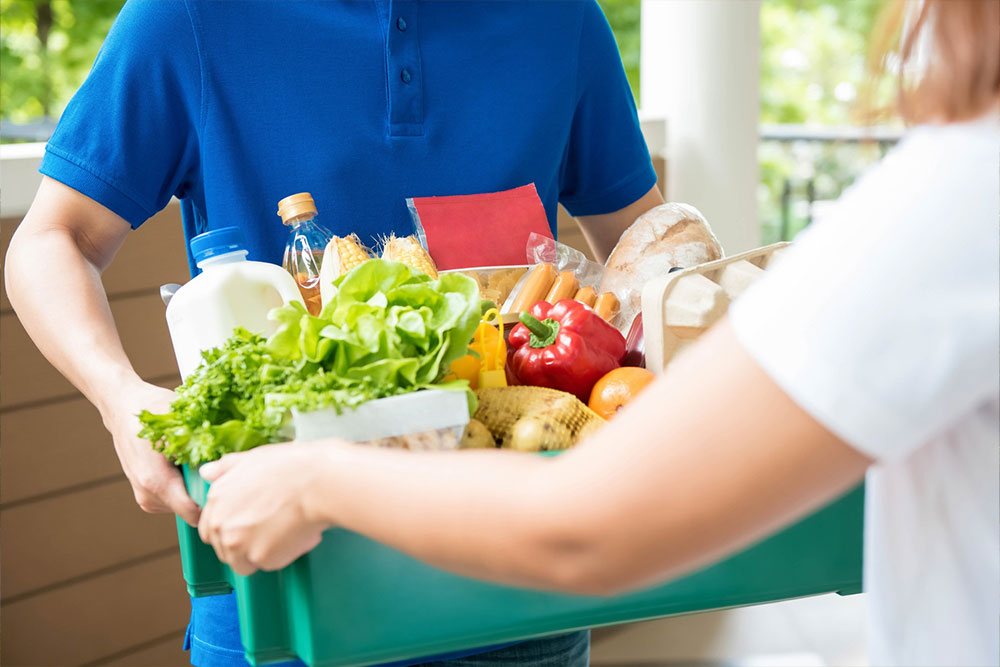
Moreover, establishing attractive delivery and purchasing incentives can significantly boost customer satisfaction and loyalty. Offering free delivery for orders exceeding a specific amount is a popular incentive that encourages larger purchases. Alternatively, minimal delivery charges for smaller orders can appeal to customers who value convenience. Introducing a user-friendly online shopping platform that integrates with your store can streamline the purchase process and provide customers with an effortless shopping experience, especially important during times when contactless transactions are preferred.
Personalization is another vital strategy. By analyzing customer purchase data, your store can offer tailored discounts and promotions. For instance, implementing a loyalty program that tracks shoppers' preferences allows you to send targeted deals—such as discounts on dairy, bakery items, or gourmet products—based on individual habits. Such personalized marketing creates a stronger connection with customers, making them more likely to choose your store over competitors.
Engaging your customers through feedback mechanisms is essential for continual improvement. Simple online forms or in-store surveys can gather insights into shopping preferences and satisfaction levels. Responding promptly and effectively to customer suggestions demonstrates attentiveness and builds trust. For example, if you notice increasing demand for sugar-free jams or plant-based products, consider adding these items and informing customers through social media campaigns. Regularly updating your product offerings based on customer feedback keeps your store current and relevant.
Beyond product diversification and customer engagement, creating an inviting store environment also enhances perceived value. Maintaining cleanliness, attractive displays, and a friendly staff contributes to a positive shopping experience. Additionally, launching promotional events or seasonal discounts can stimulate interest and increase sales temporarily, which can be harnessed for long-term loyalty development.
In conclusion, the key to elevating your grocery store’s value lies in embracing innovation, personalization, and quality improvement. By diversifying products, leveraging technology for convenience, engaging actively with customers, and providing an inviting shopping atmosphere, your store can develop a competitive edge in a saturated market. Continual adaptation and customer-focused strategies will position your grocery business for sustained growth and success amidst evolving retail trends.