The Evolution and Enduring Popularity of Solitaire Card Games
Explore the fascinating evolution of Solitaire from classic physical card games to a modern digital phenomenon. Discover its history, variations, and why it remains a favorite for millions around the world. This comprehensive article delves into how Microsoft popularized Solitaire, its cultural significance, and ongoing innovations that keep the game relevant today. Perfect for enthusiasts and newcomers alike, learn how Solitaire continues to be a timeless source of entertainment and mental challenge across generations.

The Journey of Solitaire from Physical to Digital Exhibit
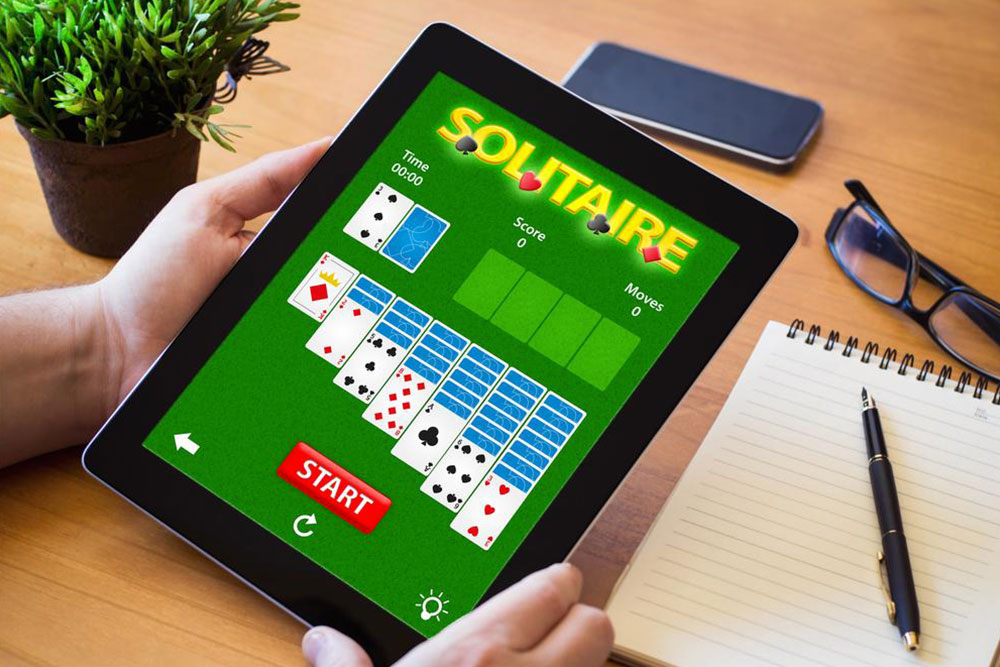
Recalling the excitement of resolving that endless stack of cards in Solitaire ignites nostalgia for many. Though initially perceived as a simple card game, Solitaire has proven to be remarkably engaging, testing patience, strategic thinking, and problem-solving skills. Traditionally played with physical cards, the game has transcended its origins to become a global digital phenomenon. Today, millions worldwide enjoy various digital versions, reinforcing Solitaire’s lasting appeal across generations.
Microsoft played a pivotal role in bringing Solitaire into the digital age. The company integrated the game into its Windows operating system, making it one of the most frequently accessed applications by users worldwide. Despite advances in modern gaming technology, including 3D environments and virtual reality, traditional Solitaire continues to captivate a broad audience, spanning from casual players to competitive enthusiasts. To commemorate its 25th anniversary in June 2015, Microsoft organized a global Solitaire tournament, bringing together players from different backgrounds and skill levels, showcasing the game's universal allure.
This event commenced internally at Microsoft among employees before expanding to the public, encouraging enthusiasts to demonstrate their skills and strategic mastery. Microsoft’s minimalist approach to the game’s design emphasized its timeless appeal, focusing on the core gameplay that requires patience, logical thinking, and strategic planning. This simplicity is a key factor behind Solitaire's continued popularity, as it provides accessible entertainment without unnecessary complexity.
In recent years, the digital landscape has hosted numerous variations of Solitaire to cater to diverse player preferences. The classic Klondike version remains the most popular, yet other variants such as Freecell, Spider Solitaire, Pyramid, and Forty Thieves also have dedicated followers. With around 40 different Solitaire styles available online and as mobile applications, players can always find a version that suits their skills and preferences. These adaptations include unique rules, difficulty levels, and thematic designs, keeping the game fresh and engaging for both new players and seasoned card game enthusiasts.
Moreover, advancements in mobile technology and app development have made Solitaire more accessible than ever. Players can enjoy quick rounds during commutes, breaks, or leisure time without the need for physical cards. Platforms such as iOS and Android host an array of Solitaire apps, many of which incorporate features like customization, leaderboards, and social sharing, fostering a competitive yet social gaming environment. Such innovations help maintain Solitaire's relevance in the digital age, ensuring its rich tradition continues amidst a rapidly evolving gaming industry.
Beyond entertainment, Solitaire also serves as a mental exercise, helping to improve concentration, strategic planning, and patience. Its simplicity allows newcomers to learn quickly, while its complexity offers a challenge for veteran players seeking mastery. As a symbol of timeless design and universal appeal, Solitaire exemplifies how classic games can adapt and thrive in modern digital formats. The game's legacy is marked not just by its enduring popularity but also by its ability to evolve and embrace new generations of players worldwide.
In conclusion, Solitaire’s transformation from a physical card game to an enduring digital staple exemplifies how traditional entertainment can evolve without losing its core appeal. Whether on a computer, smartphone, or tablet, the game continues to provide hours of captivating, stress-relieving entertainment. As technology progresses, it will be fascinating to see how Solitaire and similar classic games adapt to future innovations, maintaining their place in the hearts of casual gamers and competitive players alike.