Comprehensive Guide to Easing Menstrual Discomfort for a More Comfortable Period
This comprehensive guide offers practical tips for easing menstrual discomfort, including product selection, rest, nutrition, hydration, and gentle exercise. Designed to help women manage their periods more comfortably, the article emphasizes personalized approaches and supportive remedies to promote overall well-being during menstruation.
Comprehensive Guide to Easing Menstrual Discomfort for a More Comfortable Period
Menstruation is a natural and essential part of a woman's reproductive health, yet it often comes with a range of challenges that can significantly impact daily life. From painful cramps to heavy bleeding and fatigue, many women seek effective ways to manage their menstrual discomfort and maintain normal routines. Understanding how to navigate this phase with proper strategies can make a substantial difference in comfort, energy levels, and overall well-being. This detailed guide provides comprehensive tips and insights on managing menstrual discomfort effectively, including selecting suitable sanitary products, adopting healthy lifestyle habits, and utilizing supportive remedies to ensure a smoother, more manageable menstrual cycle.
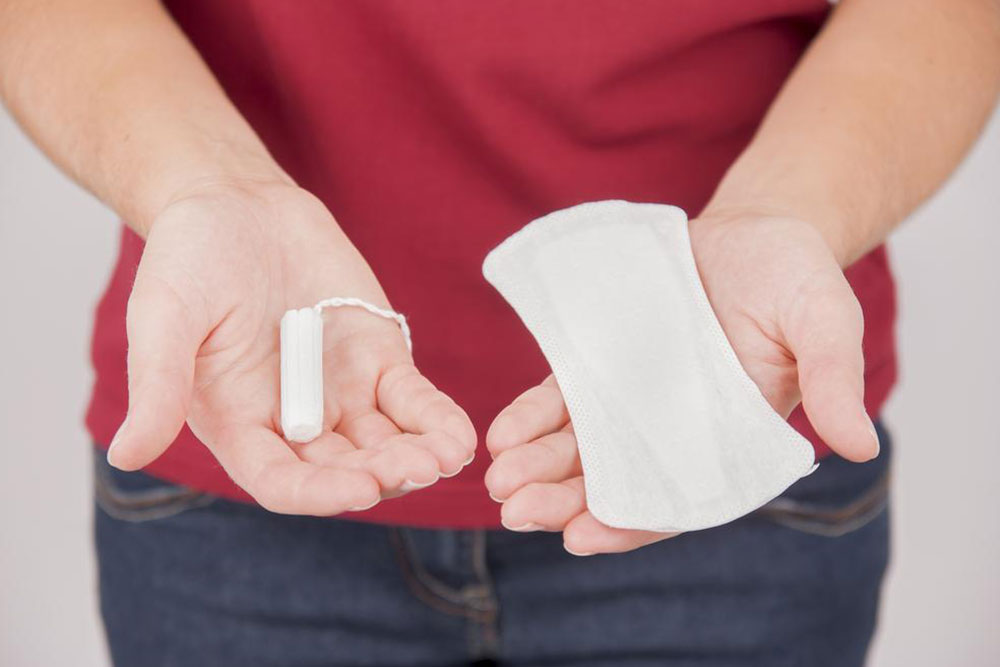
Choosing the Right Menstrual Products According to Your Flow: An essential step in managing menstrual discomfort is understanding your unique flow pattern. Menstrual flow varies from woman to woman, with some experiencing light spotting and others enduring heavy bleeding. Tracking your menstrual cycle—note the duration and intensity of bleeding—is crucial for selecting the appropriate sanitary products. There are various options available, including pads, tampons, menstrual cups, and period panties, each offering different levels of absorption and comfort. Many brands now offer free samples, allowing you to test different products to find what feels best for your body. By sampling various types, widths, and layers, you can identify the optimal choice that provides effective protection without causing discomfort. Keep an eye on promotional deals, discounts, and subscription plans from online stores to access affordable and high-quality products. Stay informed by subscribing to brand newsletters for updates on the latest offers and innovations in menstrual care, making your shopping experience both economical and fulfilling.
Prioritize Rest and Stress Reduction: Adequate rest during menstruation is vital for your body to recover and cope with discomfort. Fatigue often accompanies menstrual cramps, and ignoring rest can exacerbate symptoms. Incorporating deep relaxation techniques such as meditation, breathing exercises, or listening to calming music can significantly reduce stress levels, which in turn helps alleviate cramps and mood swings. Additionally, applying heat therapy—such as hot water bottles or heating pads—can provide soothing relief from muscle contractions and reduce pain. Prioritizing quality sleep and allowing your body time to recover ensures that you feel energized and better equipped to handle the physical and emotional challenges of menstruation.
Maintain Proper Nutrition and Hydration: Nutrition plays a critical role in how your body manages menstrual discomfort. During your period, your body loses blood, nutrients, and fluids, increasing the risk of fatigue and anemia. Eating a balanced diet rich in iron-rich foods like spinach, red meat, lentils, and fortified cereals helps replenish lost nutrients and supports blood health. Consuming fruits and vegetables high in vitamins C and E boosts your immune system and reduces inflammation. Folic acid, found in leafy greens and legumes, is essential for cell repair and regeneration. Furthermore, staying well-hydrated by drinking plenty of water and herbal teas aids in reducing bloating, flushing out toxins, and maintaining overall bodily functions. Avoid excessive caffeine and salty foods, which can increase discomfort and water retention. Proper nutrition and hydration not only ease menstrual symptoms but also promote faster recovery and improved energy levels.
Incorporate Gentle Exercise for Relief: Moderate physical activity during menstruation can seem daunting, but gentle exercises like walking, stretching, and yoga offer substantial benefits. These activities improve blood circulation, which helps alleviate cramps and muscle tension. Moreover, engaging in light movement can boost endorphin production—your body’s natural painkillers—enhancing your mood and reducing irritability. Practicing yoga poses such as gentle twists,Child’s Pose, and Cat-Cow can specifically target menstrual cramps and lower back pain. Always listen to your body; if you experience severe pain, it’s best to rest and consult a healthcare professional. Incorporating regular, gentle exercise into your routine promotes overall well-being and minimizes the physical and emotional discomfort associated with your period.
Managing menstrual discomfort involves a combination of informed product choices, lifestyle adjustments, and supportive treatments. By understanding your unique needs and being proactive in your daily routines, you can significantly improve your menstrual experience. Remember to stay organized with your cycle tracking, explore different products with the help of free samples, and adopt habits that support relaxation, proper nutrition, and gentle movement. With these strategies, you’ll find it easier to navigate menstruation comfortably, confidently, and healthily, ensuring that this natural process does not interfere with your quality of life.