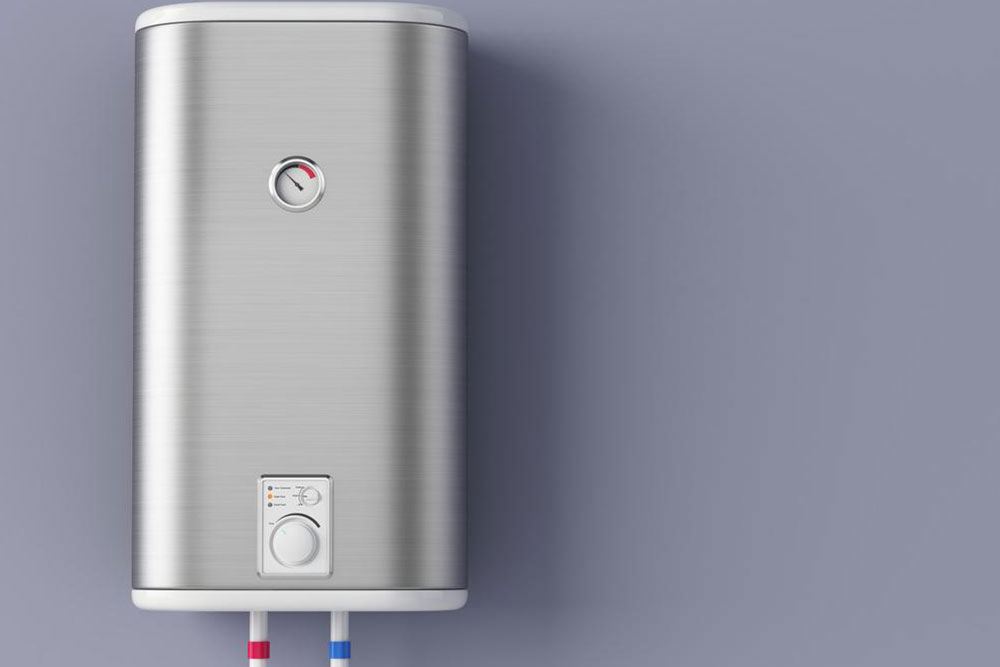
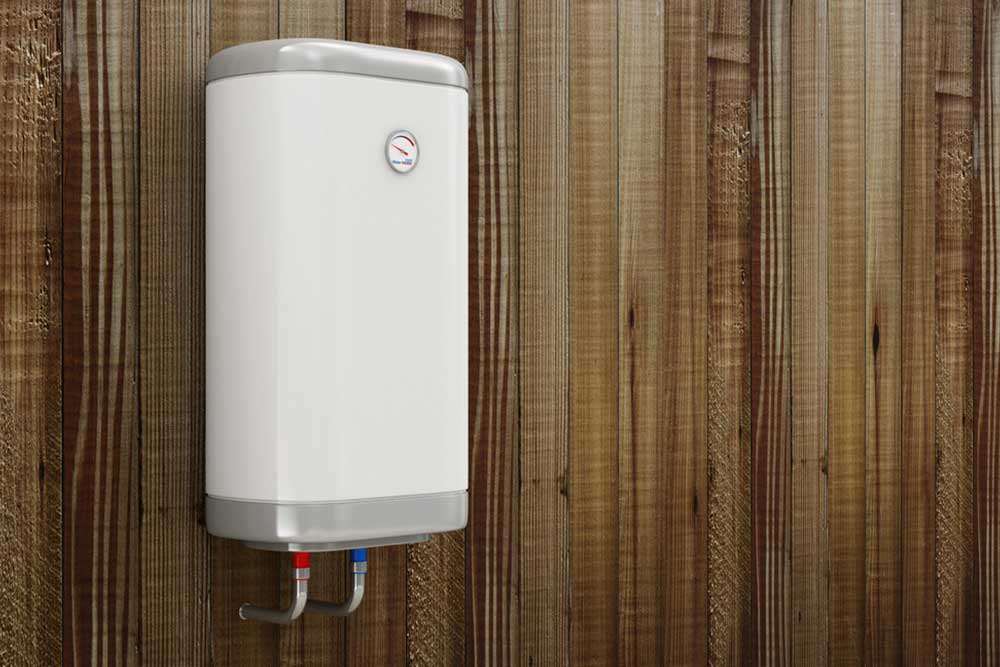
Comprehensive Guide to Extending the Lifespan of Your Hot Water Heater
This comprehensive guide offers practical and essential tips to help homeowners maintain and extend the lifespan of their hot water heaters. From adjusting thermostats and annual drainings to safety inspections and insulation tips, learn how routine maintenance can optimize performance, reduce costs, and prevent costly breakdowns. Proper care of your water heater ensures safety, efficiency, and a reliable hot water supply, making it a worthwhile investment in your household’s comfort and safety.
Comprehensive Guide to Extending the Lifespan of Your Hot Water Heater
Hot water heaters are essential appliances in modern homes, providing comfort and convenience for daily activities such as bathing, cleaning, and cooking. Despite their importance, many homeowners overlook regular maintenance, which can lead to decreased efficiency, higher energy bills, and even costly repairs or replacements over time. Understanding how to properly care for your hot water heater can save you money, extend its operational life, and ensure consistent hot water supply when you need it most.
This extensive guide offers practical tips and strategies for maintaining your hot water heater effectively. By implementing these maintenance routines, you can optimize performance, prevent unexpected failures, and prolong the longevity of your unit. Whether you own a tank-style or tankless water heater, these best practices are designed to help you keep your appliance running smoothly for years to come. Proper maintenance is not only about saving costs but also about ensuring safety and reliability in your household’s daily life.
Adjusting the Thermostat
Set your water heater’s thermostat to an optimal temperature, typically around 120°F (49°C). Lowering the temperature slightly can significantly reduce energy consumption—saving approximately 5% on your utility bill—and minimize the risk of scalding, especially in homes with children or elderly residents. Regularly check and adjust the thermostat to maintain this setting, ensuring efficiency without compromising comfort or safety.
Maintaining Space Clearance
Ensure there is sufficient clearance around your hot water heater—generally 2 to 3 feet—unless the manufacturer specifies otherwise. Proper space allows for adequate ventilation, easy access for maintenance, and reduces the risk of overheating or fire hazards. Clear obstructions and keep the area free of clutter to promote safe operation.
Annual Drain and Flushing
One of the most critical maintenance tasks is draining your water heater annually to remove accumulated sediment and mineral deposits. Turn off the power (electric or gas), shut off the water supply, attach a garden hose to the drain valve, and open the valve to carefully drain the tank. Flushing the tank with cold water helps dislodge sediments, which can impair efficiency and damage heating elements. Regular flushing ensures your heater maintains optimal performance and extends its lifespan.
Testing the Safety Relief Valve
The temperature and pressure relief valve (T&P valve) acts as a safety mechanism to prevent dangerous pressure buildup. Test this valve three times a year by lifting the lever to release a burst of water; if water does not flow freely or the valve leaks afterward, it may need replacement. Always check for leaks or corrosion around the valve, and have a professional inspect it if necessary to ensure safe operation.
Inspecting and Replacing the Anode Rod
The anode rod is a sacrificial component designed to prevent tank corrosion. It should be inspected every three years—remove the rod and examine its core steel wire. If more than six inches of steel core are exposed or the rod is less than half an inch thick, it’s time to replace it. Replacing the anode rod helps prevent rust formation inside the tank, ensuring your heater lasts longer and functions efficiently.
Insulating Older Units and Pipes
Older water heaters and their associated pipes can benefit significantly from insulation. Wrap fiberglass or foam insulation around the tank and hot and cold water pipes to reduce heat loss, improve energy efficiency, and prevent condensation. Proper insulation keeps water hotter longer and helps reduce operating costs. In colder climates, insulating the tank can also help prevent freezing in winter months.
Preparing for Vacations or Extended Absences
If you plan to leave your home for an extended period, take precautions to prevent unnecessary energy consumption and potential damage. Set your thermostat to the ‘vacation’ mode if available, or turn off the heater entirely. Drain some water to prevent sediment buildup and avoid water stagnation inside the tank. These steps reduce energy costs and decrease the risk of leaks or damage while you are away.
Consistent maintenance and prompt attention to potential issues are key to maximizing the lifespan of your hot water heater. Routine inspections, timely repairs, and following best practices can save you money over the long term, prevent unexpected breakdowns, and ensure a steady supply of hot water for your household’s needs. Staying proactive with maintenance not only enhances safety and efficiency but also provides peace of mind knowing your household remains comfortable and well-equipped year-round.