A Comprehensive Guide to Diabetic-Friendly Fruits for Better Blood Sugar Control
This comprehensive guide explores diabetic-friendly fruits, highlighting which options are safest for blood sugar control. Learn how to include berries, cherries, peaches, and other low-GI fruits in your diet, along with tips for portion control and healthy consumption methods. Recognize the importance of choosing fresh, whole fruits over processed options to maintain optimal blood glucose levels and enhance overall health. Whether you're managing diabetes or aiming for a healthier lifestyle, this article provides valuable insights into satisfying and nutritious fruit choices.
Understanding Diabetic-Friendly Fruits and How to Incorporate Them into Your Diet
Managing diabetes involves careful dietary choices, especially when it comes to fruit consumption. While fruits contain natural sugars, they are also rich sources of essential nutrients like fiber, vitamins, minerals, and antioxidants, which play a vital role in overall health and diabetes management. The misconception that fruits are entirely off-limits can lead to unnecessary nutritional gaps. This comprehensive guide explores which fruits are safe for diabetics, how to include them in your diet, and tips for maximizing their health benefits without destabilizing blood sugar levels.
Key Principles for Incorporating Fruits into a Diabetic Diet
Opt for fresh, organic fruits over canned or dried varieties due to added sugars and preservatives.
Avoid fruit juices unless blended into smoothies that retain fiber content.
Limit high glycemic index (GI) fruits such as pineapple, watermelon, and ripe bananas, which can spike blood sugar levels if consumed in excess.
Opt for whole fruits and control portion sizes to prevent overconsumption of carbs.
Berries — Nutrient Powerhouses
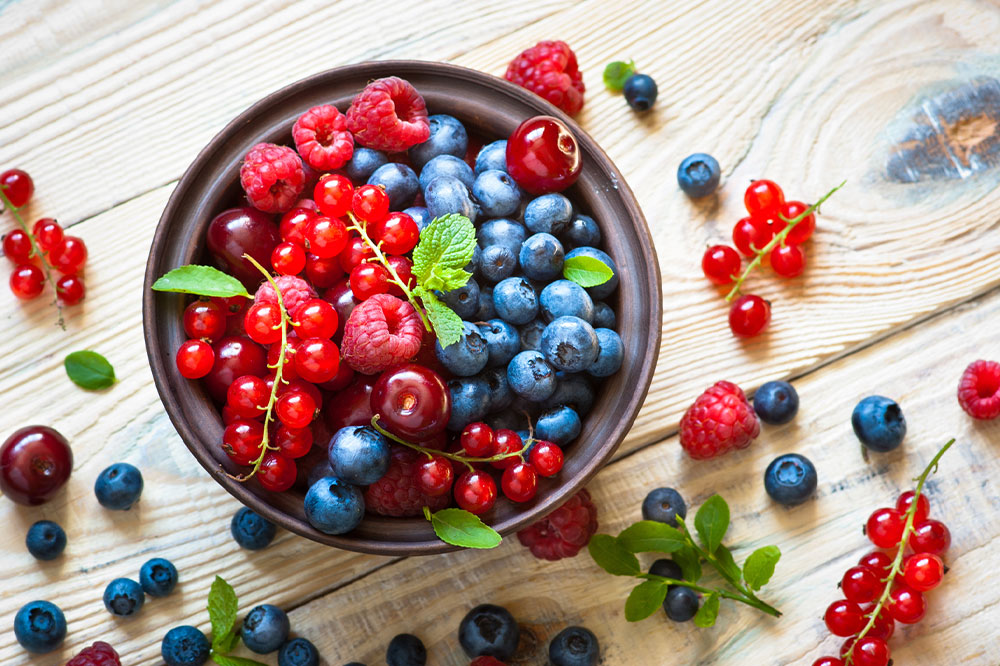
Berries such as strawberries, blueberries, blackberries, and mulberries are among the best choices for individuals with diabetes. These fruits are low in sugar but high in dietary fiber and antioxidants, which help slow glucose absorption and fight oxidative stress. Berries can be enjoyed fresh, added to yogurt, oatmeal, or smoothies, making them an easy and healthy addition to your diet. Their vibrant flavor not only enhances meals but also provides numerous health benefits, including improved insulin sensitivity.
Cherries — Rich in Antioxidants and Anti-Inflammatory Properties
Cherries, especially tart varieties, are loaded with antioxidants that combat oxidative stress and reduce inflammation. Their anti-inflammatory properties may aid in alleviating chronic conditions related to diabetes, such as cardiovascular disease and neuropathy. Incorporating cherries into your diet can be as simple as snacking on fresh cherries or adding them to salads and desserts, provided portion sizes are controlled to avoid excess sugar intake.
Peaches — Sweet and Supportive of Heart Health
Peaches are naturally sweet, containing beneficial nutrients like potassium, vitamins A and C, and dietary fiber. Potassium helps regulate blood pressure, which is crucial for diabetic individuals at risk of hypertension. Peaches have a relatively low glycemic index and can be included in moderate amounts as part of a balanced diet. Pairing peaches with high-fiber foods can further aid in stabilizing blood sugar levels.
Other good options for low-GI fruits include apples, pears, and avocados, which can be eaten in moderation to support blood sugar control. Fruits like pineapple, watermelon, and ripe bananas have higher GI values and should be consumed sparingly to prevent blood sugar spikes.
In summary, choosing the right fruits and mindful eating habits can help individuals with diabetes enjoy a variety of flavors and nutrients without compromising their blood sugar management. Fresh, whole fruits are preferable over processed forms, and portion control is essential. With the right choices, fruit can be part of a nutritious, satisfying, and health-supportive diabetic diet.