Comprehensive Dietary Strategies for Lung Cancer Patients: Essential Foods to Support Your Fight
This comprehensive guide emphasizes the importance of diet alongside medical treatment for lung cancer patients. It details essential foods like fruits, vegetables, fish, and spices that contain beneficial compounds such as quercetin, curcumin, lycopene, and antioxidants. Incorporating these foods can support immune function, inhibit cancer cell growth, and improve overall health. A well-planned diet, combined with professional medical care, provides an effective strategy for managing lung cancer and enhancing quality of life.

Key Nutritional Foods for Those Managing Lung Cancer
Nutrition is a vital aspect of combating lung cancer and enhancing overall treatment outcomes. The right dietary choices can complement medical therapies by providing essential nutrients that support immune function, reduce side effects, and potentially inhibit cancer progression. Incorporating specific foods rich in bioactive compounds can play a significant role in a patient’s overall health management. This detailed dietary guide explores some of the most beneficial foods for lung cancer patients, emphasizing their active components and how they may assist in battling the disease.
Understanding which foods to include in your diet can empower lung cancer patients to make informed nutritional choices. Supporting your body with the right nutrients can enhance your resilience, improve treatment efficacy, and potentially slow disease progression. Here are some of the top foods recommended for individuals diagnosed with lung cancer, along with their specific health benefits:
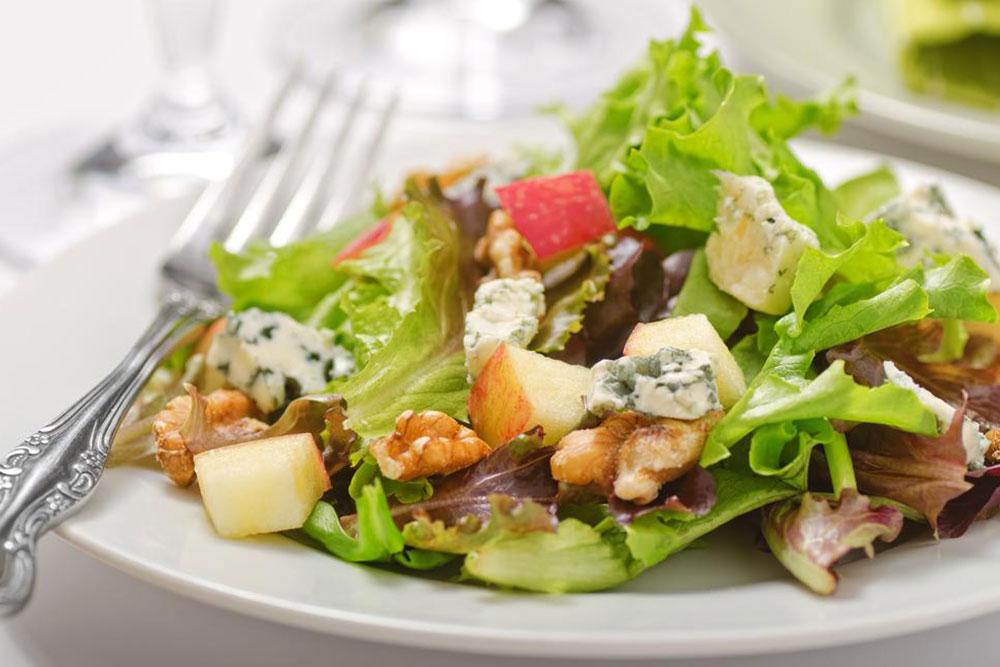
Pears and Apples: Rich in phloretin, these fruits are noted for their ability to induce apoptosis, or programmed cell death, in cancer cells. Consuming pears and apples regularly may support natural defenses against tumor growth and help improve cellular health.
Green Tea: Known for its potent antioxidants epigallocatechin-3 gallate (EGCG) and theaflavins, green tea has been shown to enhance the efficacy of chemotherapy treatments and protect healthy cells from oxidative damage. Regular intake might bolster the body's ability to combat cancer cells.
Salmon and Fatty Fish: Rich in vitamin D, omega-3 fatty acids, and antioxidants, salmon can help slow down the proliferation of lung cancer cells. The anti-inflammatory properties of these nutrients may also reduce tumor-promoting inflammation in the lungs.
Ginger: Traditionally used to alleviate chemotherapy-related nausea, ginger contains bioactive compounds like 6-shogaol. Research suggests that ginger may inhibit cancer cell growth and metastasis, making it a valuable addition to a supportive diet.
Capers: These small, pungent buds are high in quercetin, a powerful flavonoid that blocks pathways essential for cancer cell survival and proliferation. Incorporation of capers into meals may provide targeted anti-cancer benefits.
Turmeric: The bright yellow spice contains curcumin, a compound with demonstrated abilities to suppress invasive lung cancer cells and reduce tumor progression. Turmeric is versatile and easy to add to a variety of dishes, offering both flavor and health benefits.
Berries: Blueberries, raspberries, cranberries, and blackberries are loaded with anthocyanidins, pigments that exhibit strong anti-inflammatory and anti-cancer properties. Consuming berries regularly may inhibit lung cancer cell development and support immune health.
Carrots: Nutrient-dense with high levels of chlorogenic acid, carrots help prevent and inhibit lung cancer growth. Their antioxidant properties support cellular repair and immune function.
Tomatoes: Rich in lycopene, a carotenoid with potent anti-cancer effects, tomatoes can significantly reduce the risk of developing or progressing lung cancer when included as part of a balanced diet.
Watercress: This leafy green contains isothiocyanates, compounds that have shown promise in halting lung cancer cell division and tumor progression, offering another natural avenue for supportive care.
In summary, a diet rich in these specific foods can serve as an effective complementary approach to conventional lung cancer treatment. While these foods contain compounds with demonstrated anti-cancer properties, they should be considered part of a comprehensive treatment strategy under medical supervision. Maintaining a balanced diet, staying hydrated, and incorporating these nutrient-rich foods can enhance overall health and potentially improve treatment outcomes for lung cancer patients.