Comprehensive Dietary Approaches to Rapidly Relieve Diarrhea and Support Recovery
This comprehensive article provides in-depth dietary strategies to quickly alleviate diarrhea, emphasizing foods like arrowroot powder, probiotic-rich items, rice water, and the BRAT diet. It offers practical tips on hydration, when to see a doctor, and methods to prevent future episodes. Proper nutritional choices, combined with good hygiene practices, can significantly shorten diarrhea duration and support intestinal health, ensuring a safe recovery. Ideal for individuals seeking effective, natural remedies for diarrhea management at home.
Comprehensive Dietary Approaches to Rapidly Relieve Diarrhea and Support Recovery
Diarrhea is a common gastrointestinal disturbance characterized by frequent, watery stools, often accompanied by abdominal cramps, nausea, and sometimes vomiting. This condition can arise from various causes such as infections, food intolerances, irritable bowel syndrome (IBS), celiac disease, or food allergies. If left untreated, diarrhea can lead to dehydration, electrolyte imbalance, and other serious health complications. Therefore, understanding effective dietary strategies is essential for quick symptom relief and overall recovery.
Incorporating specific foods and nutritional practices can significantly reduce the duration and severity of diarrhea. Proper dietary choices can help restore gut health, replenish lost fluids and electrolytes, and promote healing of the gastrointestinal tract. This detailed guide explores proven dietary interventions and tips to manage diarrhea effectively and safely at home.
1. Arrowroot Powder: Nature’s Soothing Remedy
Arrowroot powder, extracted from the Maranta arundinacea plant native to South America, has long been valued for its gastrointestinal soothing properties. Its neutral, bland taste makes it an ideal ingredient in diets for diarrhea management. Arrowroot is rich in easily digestible carbohydrates, including starch, which helps bulk up stool and ease intestinal inflow, leading to faster relief from diarrhea.
To prepare arrowroot as a remedy, mix two teaspoons of arrowroot powder with a small amount of cold water until smooth. Then, boil this mixture with additional water until it thickens into a porridge-like consistency. You can season it lightly or blend with plain yogurt or milk for enhanced flavor and nutritional content. Arrowroot can also be incorporated into soups or baked goods such as biscuits to expand its dietary applications. It supplies vital nutrients like folate, phosphorus, and iron, supporting your overall health during recovery.
2. Probiotics: Restoring Gut Microflora
The gastrointestinal tract hosts trillions of beneficial bacteria that help regulate digestion and immune function. During diarrhea, these healthy microbes are often disturbed or depleted. Consuming probiotic-rich foods can help restore this delicate bacterial balance, thereby promoting normal bowel functions and speeding up recovery.
Foods like plain yogurt, kefir, and kombucha are excellent sources of probiotics. When choosing these, opt for unsweetened versions to avoid excess sugar, which can worsen symptoms or delay healing. Regular intake of probiotics encourages the re-establishment of good bacteria, which can outcompete pathogenic microbes and reduce diarrhea duration.
3. Rice Water: An Ancient Hydration Strategy
Rice water is a traditional remedy used in many cultures for gastrointestinal ailments. It involves boiling rice in water, then straining the residual cloudy water, which contains starch and electrolytes beneficial for stool firming and hydration. Rice water helps prevent dehydration and can restore electrolyte balances disrupted during diarrhea.
To prepare rice water, take one cup of rice and boil it in two cups of water for approximately 10 minutes until the water turns cloudy. Strain the rice to extract the water, which can be sipped throughout the day. The cooked rice can also be eaten in small portions, providing additional nutrients and energy to aid recovery.
4. The BRAT Diet: Comfort and Binding
The BRAT diet—comprising Bananas, Rice, Applesauce, and Toast—is a widely recommended dietary approach for managing diarrhea. These bland, low-fiber foods help absorb excess water in the gut, firming up stool, and reducing frequency. The simplicity and digestibility of these foods make them ideal for calming a sensitive stomach.
While following the BRAT diet, it remains crucial to stay well-hydrated. Drinking water, oral rehydration solutions, or electrolyte-rich beverages is essential to replenish lost fluids and prevent dehydration. This diet is typically followed for a short period, gradually transitioning back to a regular diet as symptoms improve.
5. Gentle, Bland Foods for Additional Relief
Beyond the core BRAT foods, other gentle options include clear broths, boiled potatoes, and saltine crackers. These foods are easy on the stomach, help maintain hydration, and support recovery. Slightly sweetened apple juice or custards like cream of wheat can also be tolerated, providing calories and mild sweetness without aggravating symptoms.
Consuming small, frequent meals rather than large portions minimizes stress on the gastrointestinal system and promotes healing. Avoid spicy, greasy, or heavily processed foods until symptoms subside.
6. Hydration Strategies: Replenishing Lost Fluids and Electrolytes
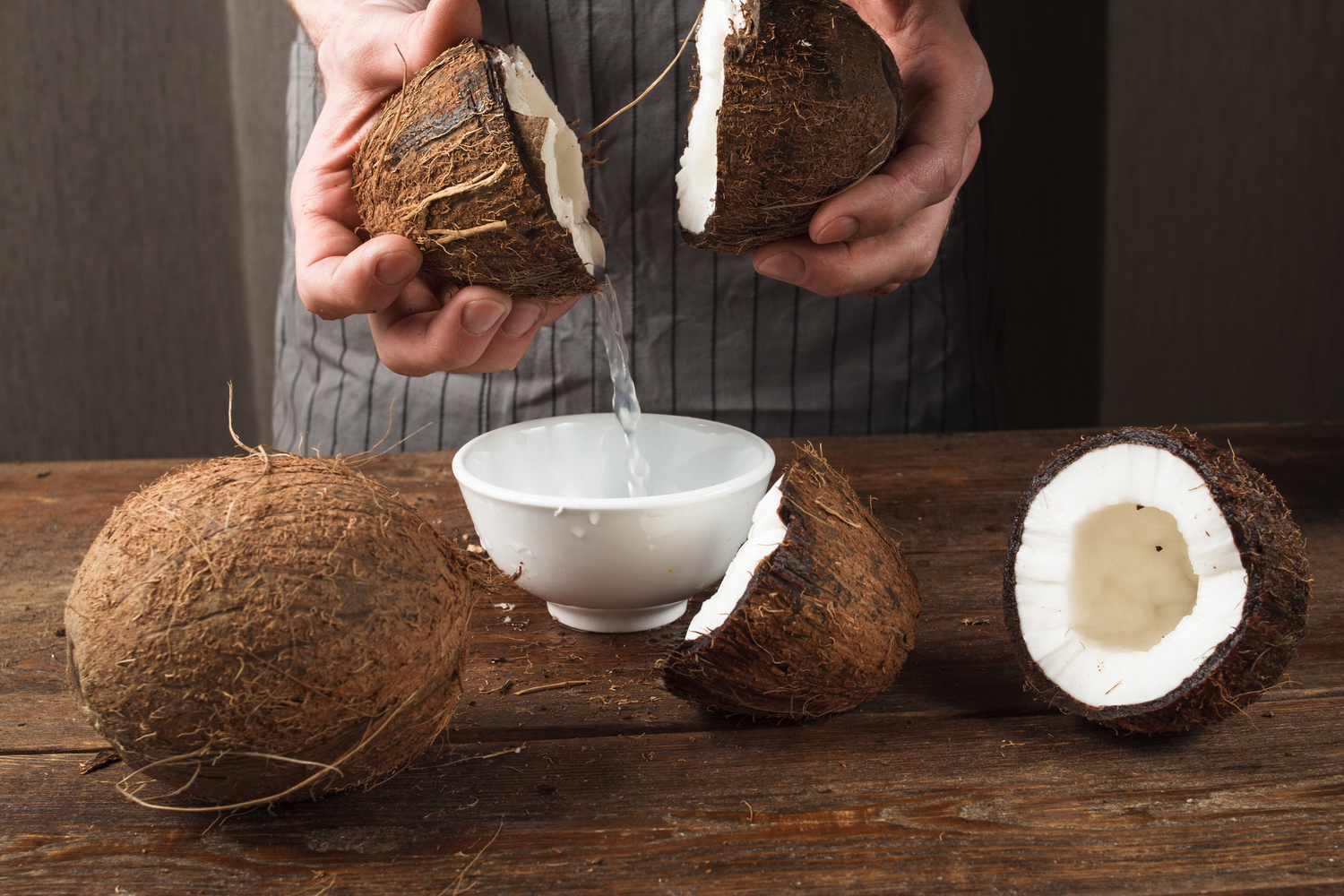
Proper hydration is crucial during diarrhea episodes. Besides water, incorporate electrolyte drinks, specially formulated oral rehydration solutions, coconut water, and transparent broths to replenish lost sodium, potassium, and other essential minerals. These help prevent dehydration and maintain an electrolyte balance conducive to recovery.
Avoid caffeinated, sugary, or alcoholic beverages as they can worsen dehydration or irritate the gastrointestinal tract. Decaffeinated herbal teas such as ginger or chamomile also provide hydration benefits without upsetting the stomach.
When to Seek Medical Attention
While dietary measures can effectively manage mild to moderate diarrhea, some symptoms warrant immediate medical evaluation. Seek professional help if you experience severe abdominal pain, blood in stool, persistent high fever, dehydration signs such as dizziness or dry mouth, or if diarrhea lasts longer than two days.
In cases of suspected infection or underlying health conditions, a healthcare provider can determine if additional treatments, such as medications or diagnostic tests, are necessary for complete recovery.
Prevention Tips for Future Episodes
Preventing recurrent diarrhea involves maintaining good hygiene, such as thorough handwashing, proper food handling, and cleaning fruits and vegetables before consumption. Ensure foods are cooked thoroughly to kill harmful microbes and avoid sharing personal items that could transmit infections. Also, steer clear of contaminated water sources, untreated water, and infected individuals.
Keep your environment sanitized, especially frequently touched surfaces, and consider vaccination for preventable infections like rotavirus. Recognizing early symptoms and managing them promptly can also reduce the severity and duration of future episodes.
In summary, combining specific dietary choices with hygiene practices fosters a swift and safe recovery from diarrhea, minimizing discomfort and preventing complications.