Comprehensive Guide to Selecting the Perfect Dining Chairs for Restaurants
Choosing the right dining chairs for your restaurant involves balancing style, comfort, durability, and budget. This comprehensive guide covers key considerations such as material selection, comfort features, quality standards, style alignment, flooring compatibility, and cost-effectiveness. Properly chosen chairs not only enhance the ambiance and brand image but also ensure practical longevity in a busy commercial environment. By understanding these factors, restaurant owners can make informed decisions that improve customer experience, streamline operations, and create a welcoming atmosphere for guests, leading to increased satisfaction and business success.
Comprehensive Guide to Selecting the Perfect Dining Chairs for Restaurants
Choosing the ideal dining chairs for your restaurant is a crucial decision that impacts both the comfort of your guests and the overall ambiance of your establishment. With a myriad of options available in terms of styles, materials, and functionalities, understanding the key considerations can help you make an informed choice that enhances the guest experience while ensuring durability and style.
Restaurant chairs are available in a diverse range of styles and materials, including wood, metal, resin, and composites. Each material brings its own unique aesthetic and functional qualities, making it essential to select seating that aligns with your restaurant’s interior design theme, operational needs, and customer preferences. Whether you operate a casual cafe, a vibrant bar, or an upscale fine-dining venue, the right chairs can elevate your restaurant’s atmosphere and operational efficiency.
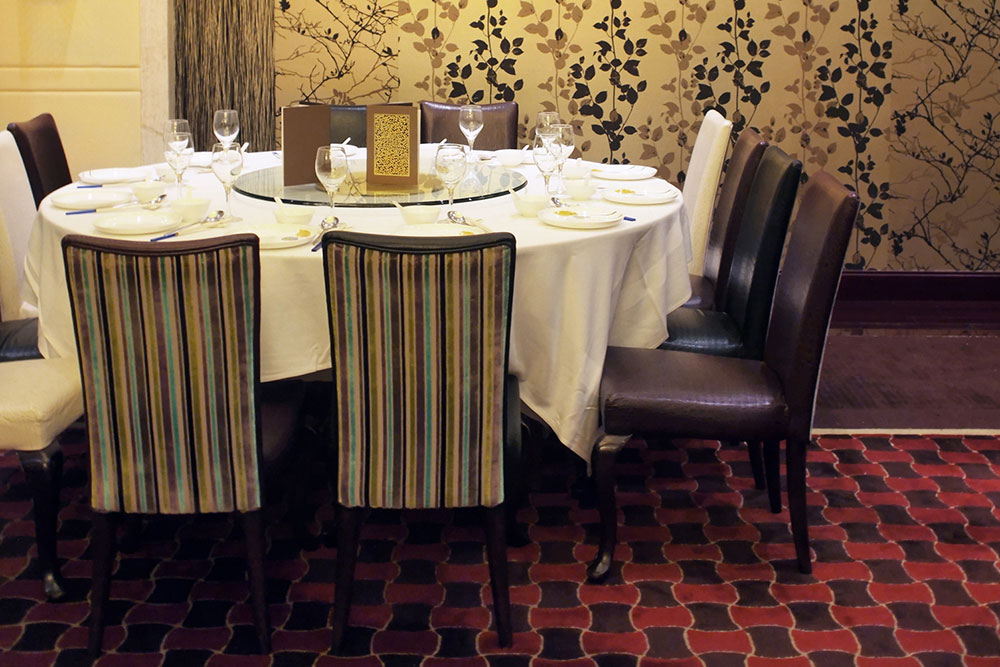
Furthermore, different restaurant types necessitate distinct seating solutions. Casual pubs might prefer comfortable bar stools that facilitate social interaction, whereas elegant dining spaces often opt for plush, upholstered chairs to create a luxurious feel. Cafes with limited space might benefit from folding chairs or stackable models for flexibility. By carefully assessing your specific needs, space constraints, and design goals, you can select restaurant chairs that perfectly suit your environment.
Key Factors to Consider When Choosing Restaurant Chairs
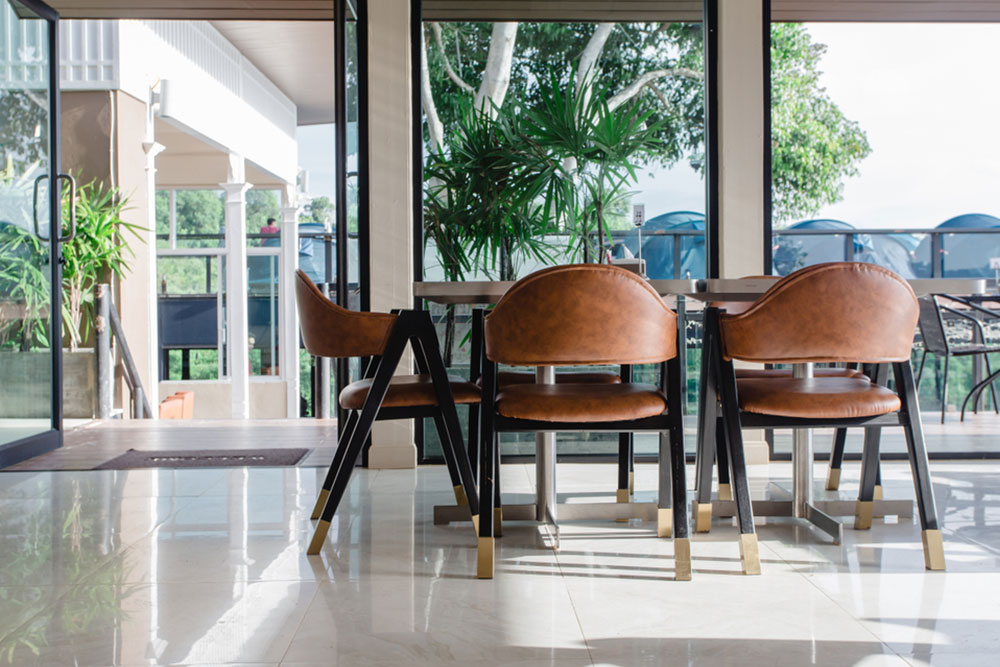
Material Selection: The choice of material is pivotal in setting the tone of your restaurant. Wooden chairs exude warmth and a rustic charm, making them suitable for cozy cafes or traditional eateries. Metal chairs, characterized by sleek lines and durability, add a contemporary or industrial vibe but may produce noise. Combining materials, such as wooden seats with metal legs, can provide visual interest and balance. The material also affects maintenance and longevity; for example, resin and plastic are easy to clean and resistant to moisture, ideal for high-traffic settings.
Comfort Considerations
Comfort is paramount in retaining customers and encouraging longer stays. Pay attention to seat dimensions—larger seats with ample padding are preferable for upscale restaurants, while smaller or minimalist designs suit casual cafes. The height of the seat should match the table height to ensure ergonomic seating. The backrest's height and design influence both comfort and aesthetic appeal, helping to create a welcoming environment. Padded and upholstered options provide softness, while wooden or metal-backed chairs offer a more structured look.
Quality and Durability
Investing in high-quality restaurant chairs ensures longevity and safety. Look for sturdy joints, reinforced frames, and hardwearing finishes capable of withstanding daily use. Commercial-grade coatings resist scratches, stains, and moisture, extending the lifespan of your seating. Quality chairs not only improve customer satisfaction but also reduce replacement costs over time. Prioritize brands and suppliers known for reliable manufacturing standards and conduct thorough inspections before purchase.
Brand Image and Style Alignment
Chairs contribute significantly to your restaurant’s aesthetic and brand identity. Whether you aim for a rustic, modern, vintage, or minimalist look, select chairs that complement your decor. Matching the furniture style with your interior design theme enhances visual consistency and creates a cohesive brand experience. For instance, vintage-style chairs suit a themed tavern, while sleek, contemporary seats fit a modern bistro. Ensuring harmony between chairs and overall decor increases guest satisfaction and brand recognition.
Flooring Compatibility
Flooring type influences your choice of chair glides and stability features. Hardwood floors are susceptible to scratches, so felt or rubber glides are recommended to protect surfaces and reduce noise. Carpeted floors require plastic or metal glides to facilitate smooth movement and prevent snagging. Modern nylon glides provide excellent durability and protect both the flooring and the chairs, ensuring smooth, noiseless repositioning. Proper glide selection prolongs the floor’s life and maintains a clean, professional appearance.
Budget and Investment Considerations
While budget constraints are a real factor, prioritize quality, comfort, and durability to maximize your investment. Cheaper chairs may save money upfront but could incur higher replacement and maintenance costs in the long run. Focus on obtaining well-made furniture that meets safety standards and is suitable for commercial use. Balance affordability with the need for resilient, easy-to-clean materials that withstand frequent use. A strategic investment in high-quality chairs enhances guest experience, promotes positive reviews, and fosters customer loyalty.
In summary, selecting the perfect dining chairs for your restaurant requires careful evaluation of material, comfort, durability, style, flooring compatibility, and budget. By considering each of these factors thoughtfully, you can procure seating that elevates your restaurant’s ambiance, supports operational efficiency, and provides a comfortable dining environment for your guests. This meticulous approach ensures a harmonious blend of style, function, and sustainability, ultimately contributing to your restaurant’s success and reputation.