The Comprehensive Evolution of Pest Management Strategies: From Primitive Methods to Modern Solutions
Explore the detailed history and technological advancements in pest management, from ancient methods to modern environmentally friendly strategies. Understand how this industry has evolved to provide safer, more effective solutions for households and industries alike, emphasizing sustainability and innovation.
The Comprehensive Evolution of Pest Management Strategies: From Primitive Methods to Modern Solutions
Effective pest management is crucial for safeguarding public health, agriculture, and property preservation. Over centuries, methods to control pests have evolved significantly, reflecting advances in science, technology, and understanding of pest behavior. This article explores the rich history and ongoing development of pest control techniques, highlighting key milestones and innovative practices that have shaped the industry into what it is today.
Historically, ancient civilizations relied on rudimentary methods such as manual removal, natural repellents, and primitive traps to manage pests. Records from ancient Egypt, China, and Greece reveal early attempts to control insects and rodents using plant-based repellents, fire, and basic physical barriers. These early methods often lacked efficacy and lacked scientific understanding of pest biology, making control efforts largely ineffective and temporary.
As societies advanced, so did their approaches to pest control. The Middle Ages saw the use of more aggressive tactics, including the application of natural toxins derived from toxic plants like belladonna and hellebore. However, these methods posed health risks to humans and had limited success. The Industrial Revolution brought about a paradigm shift with increased urbanization and agriculture expansion, intensifying the need for more reliable pest management strategies.
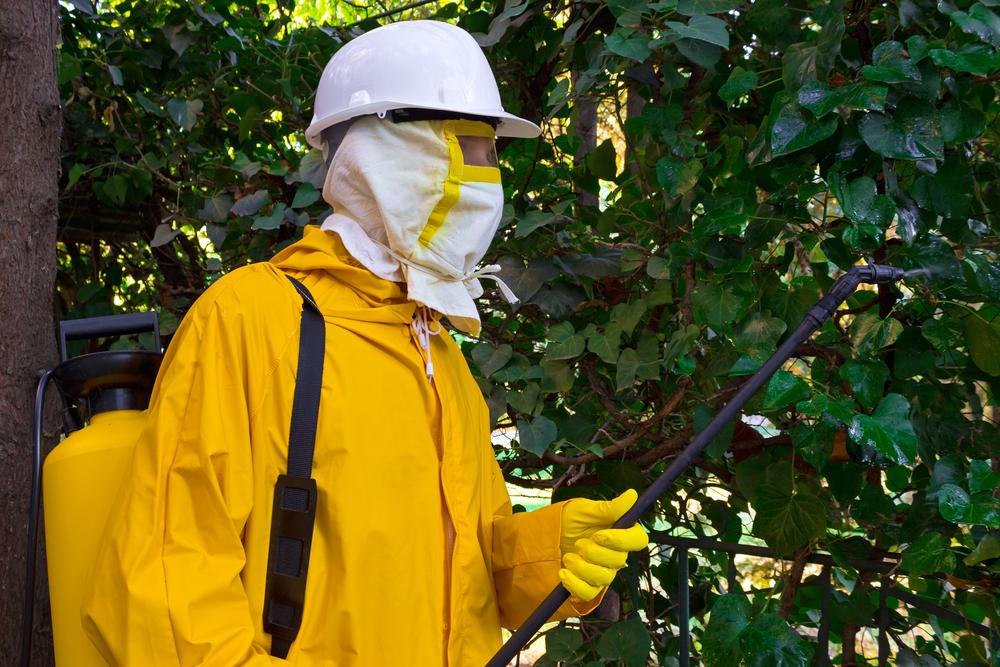
The 19th and early 20th centuries marked a turning point with the advent of chemical pest control agents. The discovery of arsenic-based compounds, followed by the development of the first synthetic insecticides such as DDT in the 1940s, revolutionized pest management practices. These chemicals provided unprecedented effectiveness against a wide range of pests, drastically reducing crop losses and disease transmission. However, their widespread use also raised environmental and health concerns, leading to the eventual banning or regulation of many chemicals.
In response to environmental and health issues associated with early pesticides, the industry shifted toward integrated pest management (IPM) approaches beginning in the latter half of the 20th century. IPM emphasizes the combination of biological controls, habitat management, and targeted chemical use to minimize ecological impact while maintaining effective pest control. This holistic approach is now the cornerstone of sustainable pest management practices worldwide.
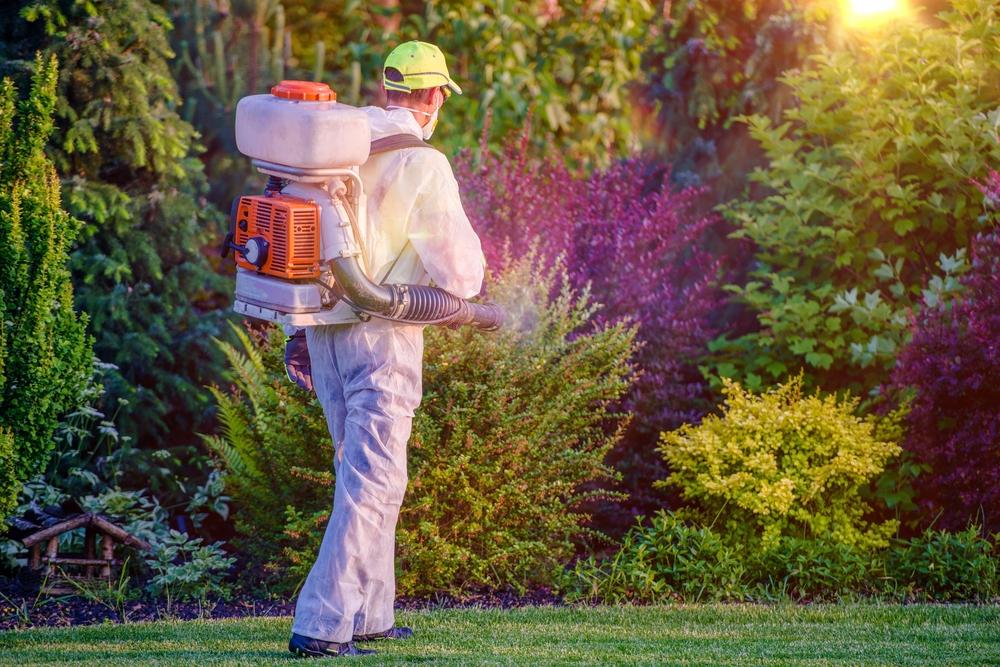
Technological innovations continue to drive the evolution of pest management today. Modern tools include pheromone traps, biological agents such as beneficial insects, and sophisticated monitoring systems that enable early detection and precise intervention. Automated and eco-friendly solutions, like UV light traps and heat treatments, have further expanded our arsenal against pests. The adoption of digital technologies has facilitated data collection and analysis, making pest control more efficient, targeted, and environmentally conscious.
Contemporary pest management services are highly specialized, catering to both residential and industrial needs. These services not only focus on eradication but also on long-term prevention through regular inspections, habitat modification, and customer education. Many pest control companies now offer follow-up visits and integrated solutions that ensure sustained protection and peace of mind for clients.
The industry continues to innovate, driven by advancing science and increased awareness of environmental issues. Current trends include the development of biopesticides, which utilize naturally occurring organisms to combat pests, and the use of genetic techniques such as sterile insect release programs. These future-forward solutions aim to further reduce reliance on chemical pesticides while maintaining effectiveness.
In conclusion, the history of pest management reflects a journey from primitive, often ineffective methods to sophisticated, environmentally conscious strategies. With ongoing technological advancements and a growing emphasis on sustainable practices, pest control continues to evolve, offering safer and more effective solutions for protecting our health, environment, and economy. Reliable pest management remains a vital component in safeguarding our communities and ensuring a more sustainable future.