Essential Design Elements for Creating Accessible and Comfortable Disability Bathrooms
Creating accessible bathrooms is vital for ensuring safety and independence for individuals with mobility challenges. This guide covers essential features like support bars, accessible showers, ergonomic fixtures, and door designs that foster a safe, comfortable environment. Implementing these thoughtful modifications can greatly enhance daily routines and improve quality of life for elderly individuals and people with disabilities, all while remaining cost-effective and straightforward. Equip your bathroom with these essential elements to promote inclusivity and safety.
Essential Design Elements for Creating Accessible and Comfortable Disability Bathrooms
Designing bathrooms that accommodate individuals with mobility challenges is crucial for promoting independence, safety, and comfort. Whether you're caring for elderly family members or loved ones with disabilities, a well-planned accessible bathroom can significantly improve daily routines and quality of life. Poorly designed bathrooms can pose safety hazards and lead to discomfort, making it essential to incorporate thoughtful modifications and features. These improvements not only enhance safety but also foster confidence and independence without the need for costly renovations.
In this comprehensive guide, we will explore the key features and design principles necessary to create accessible, functional, and comfortable disability-friendly bathrooms. By understanding and implementing these elements, homeowners and caregivers can transform their bathrooms into safe spaces that cater to the unique needs of individuals with mobility challenges.
Support Bars and Grab Rails: Installing support bars strategically around the toilet, shower area, and along walls provides crucial stability for users with limited strength or balance issues. Grab rails help individuals transfer safely from wheelchairs or assist with standing and sitting, reducing the risk of falls. Durable, corrosion-resistant materials ensure longevity and safety, while positioning them at appropriate heights maximizes their effectiveness.
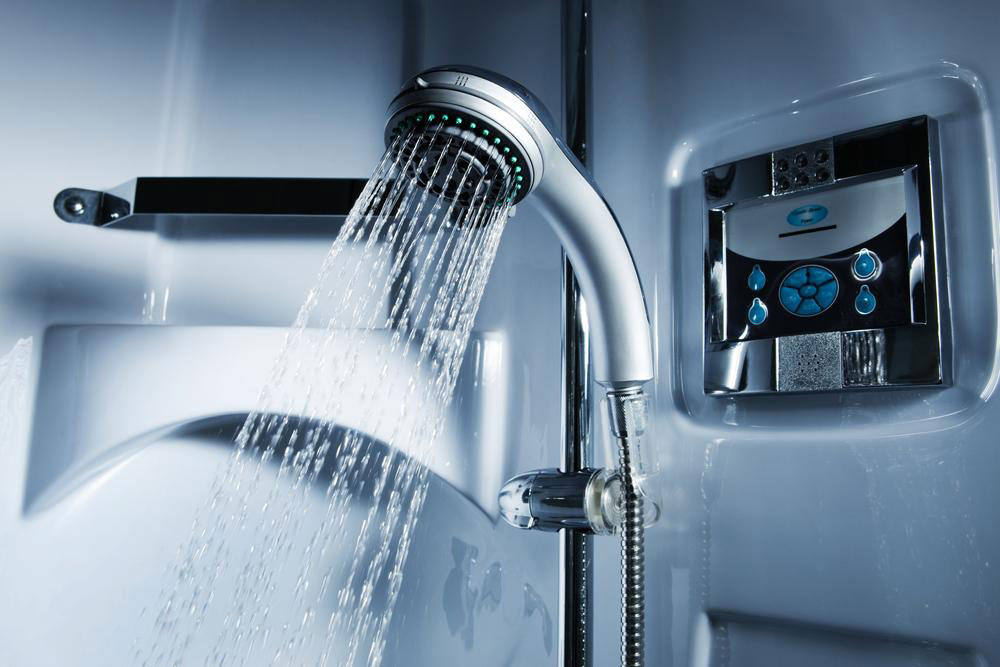
Accessible Bathing Chairs and Showers: Shower chairs designed specifically for accessibility are invaluable. These seats typically feature adjustable heights, non-slip surfaces, and easy-to-grip armrests. Wall-mounted models that fold or extend facilitate seamless transfer from wheelchairs, enabling users to bathe independently or with minimal assistance. Consider installing handheld shower heads with adjustable heights to enhance flexibility and ease of use, making bathing a more comfortable and safe experience for all.
Ergonomic Soap Dispensers and Towel Holders: Placing soap dishes, dispensers, and towel racks within easy reach at lower heights ensures convenience. Accessible storage options prevent unnecessary stretching or twisting, which can cause strain or falls. Proper placement of these fixtures minimizes hassle and encourages good hygiene practices by making daily routines smoother and safer.
Single-Handle and Sensor-Operated Faucets: Faucet design plays a significant role in accessibility. Single-lever faucets simplify water control, requiring just one hand movement to turn on or adjust the flow. Sensor-activated fixtures offer touchless operation, reducing the need for grip strength and minimizing contamination. These fixtures are ideal for individuals with limited dexterity, promoting ease of use and a hygienic environment.
Doors Designed for Accessibility: Outward-opening doors are a smart choice for disability bathrooms. They maximize interior space and reduce the risk of injury during door operation. Installing wider doorways also ensures easy wheelchair access and navigation. Additionally, leveraging lever-style handles instead of knobs enhances grip and reduces effort, further improving safety and accessibility.
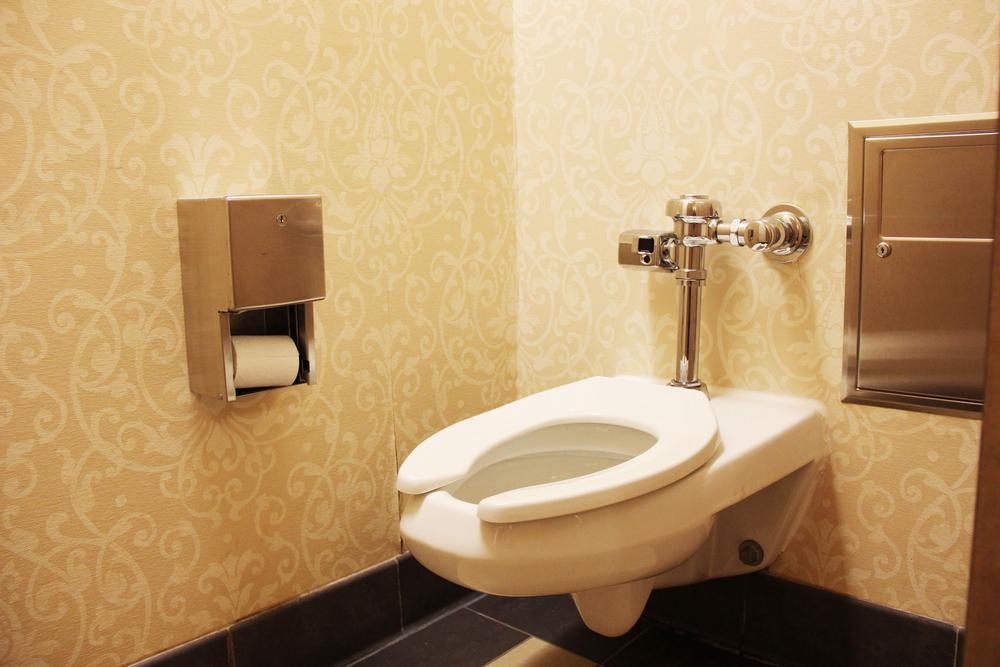
Additional Considerations: Clear, non-slip flooring surfaces are essential for preventing slips and falls. Adequate lighting, preferably with motion sensors, improves visibility and safety during nighttime visits. Raised toilet seats and wider pathways contribute to comfort and ease of movement. Always consider the individual needs of the user when designing or modifying a bathroom for accessibility.
Beyond the physical improvements, incorporating universal design principles ensures your bathroom remains functional for all users and ages. Feel free to customize features based on specific needs, preferences, and budgets. These thoughtful modifications can be implemented gradually or as part of a comprehensive renovation to create a safer, more accommodating environment.
By paying attention to these key features, you can significantly enhance the safety, comfort, and independence of individuals with disabilities, making your bathroom a truly inclusive space. Remember, accessibility improvements do not have to be expensive or complex — simple adjustments can make a profound difference in daily life.