Comprehensive Emergency Power Solutions for Seniors: Essential Tips and Best Features
This comprehensive guide offers essential tips and insights for seniors in selecting reliable emergency power solutions. It covers different generator types, key features, budgeting advice, and safety considerations to ensure continuous power during outages. Proper planning and choosing the right system help safeguard health, property, and peace of mind for older adults facing power failures.
Essential Emergency Power Options for Older Adults – Expert Tips, Key Insights, and Crucial Features
Ensuring a reliable power backup is paramount for seniors, especially during unexpected outages caused by severe weather, grid failures, or other emergencies. For older adults, maintaining access to critical devices—such as medical equipment, refrigeration for medications, and sump pumps—is vital for health, safety, and peace of mind. An effective emergency power system not only safeguards health by ensuring continuous operation of vital devices but also prevents property damage by providing uninterrupted electricity when it’s needed the most. Understanding the different types of generators, selecting the appropriate one, and knowing what features to prioritize can make a significant difference in emergency preparedness for seniors.
Key Considerations When Choosing an Emergency Power System for Seniors
1. Determine the Primary Purpose for Your Generator
The first step in selecting an emergency power solution is clarifying your specific needs. Are you primarily aiming to keep medical devices operational during outages? Do you need to power essentials like refrigeration, lighting, or communication devices? Or are you searching for a portable option for outdoor activities? Knowing the primary use helps in choosing the right type and size of generator. For example, a standalone backup system designed for home use tends to be larger, capable of powering multiple circuits, and is more costly. Conversely, smaller portable units work well for outdoor events or short-term needs.
2. Assess Your Power Requirements
Accurately estimating your power needs is crucial. Make a list of all essential appliances and devices you wish to power during an outage, including medical equipment like oxygen concentrators, ventilators, refrigeration units for medications, sump pumps to prevent flooding, communication devices, and lighting. After listing these appliances, check their wattage ratings—usually provided on labels or in user manuals—and sum them up to determine your total power consumption. This total wattage guides you toward selecting a generator with sufficient capacity to handle your critical load without overloading or underperforming. Choosing a generator with slightly above your calculated load provides a buffer that ensures reliable operation during extended outages.
3. Explore Different Generator Types and Their Benefits
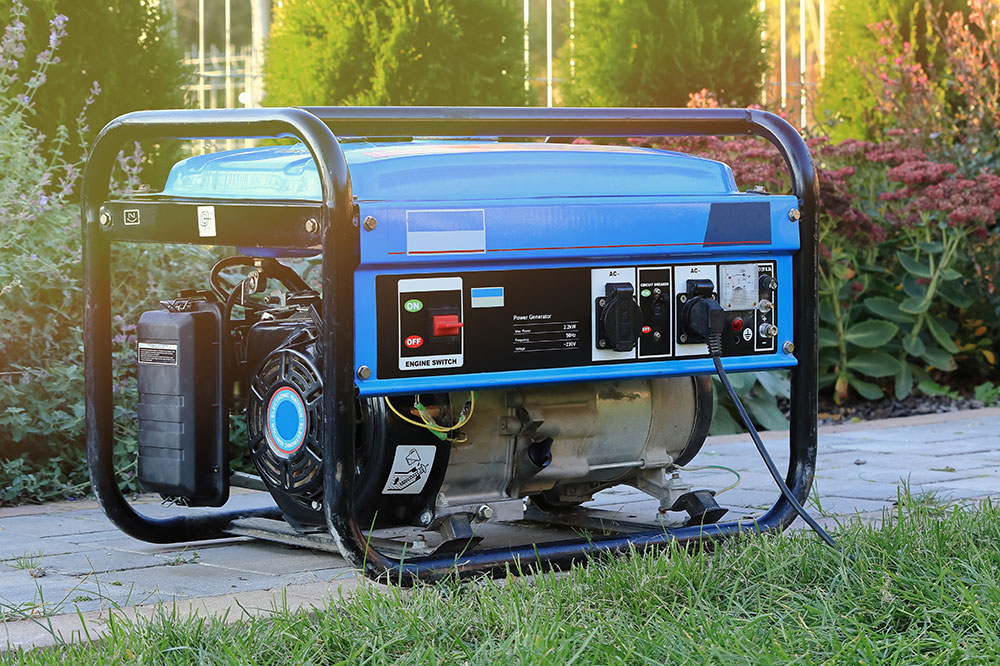
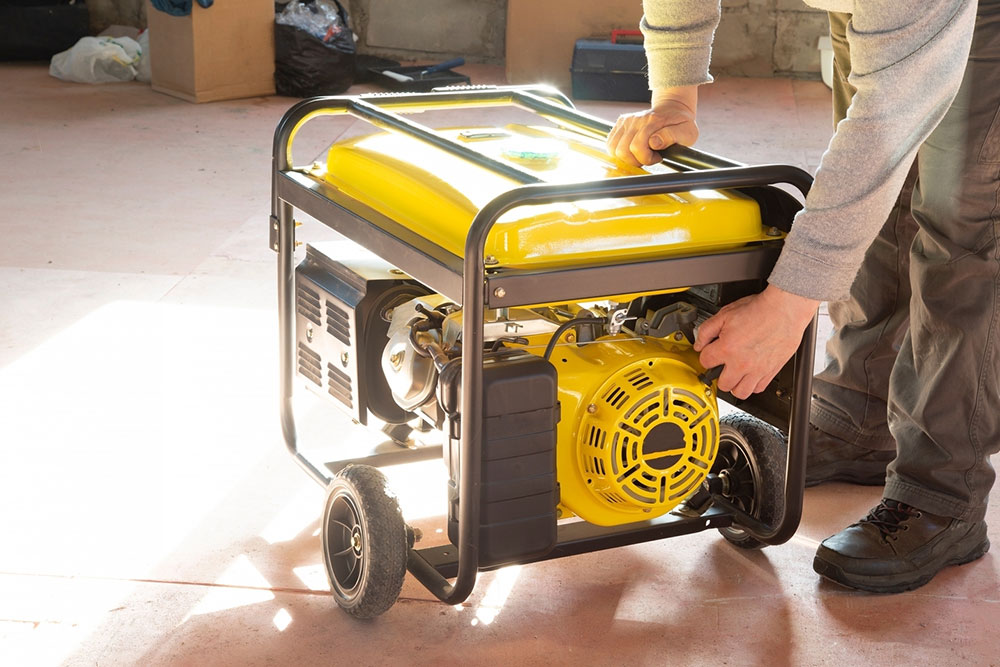
Portable Generators – These units come with wheels and handles, making them easy to transport. Powered by gasoline, they are suitable for temporary use, outdoor activities, camping, or emergency backup. Their affordability and flexibility make them a popular choice, especially for seniors who need a lightweight, easy-to-move option.
Inverter Generators – Known for their quiet operation and stable power output, inverter generators are lighter than traditional portable models. They are ideal for powering sensitive medical devices and small household appliances. Many models include built-in inverters to ensure clean, reliable power—crucial during health emergencies.
Standby Generators – These are permanently installed systems that automatically detect power outages and switch on instantly. Usually fueled by natural gas or propane, they provide a seamless power supply, making them the best long-term solution for seniors seeking peace of mind. They can run continuously for days, ensuring critical devices stay operational without manual intervention.
Solar Generators – Eco-friendly and silent, solar-powered units utilize rechargeable batteries charged via solar panels. While their capacity may be limited compared to conventional generators, they are perfect for supplementing other systems or powering small devices. Their sustainability and low operating costs make them an attractive option for environmentally conscious seniors.
4. Budgeting for Your Emergency Power Solution
Generators vary significantly in cost based on capacity, features, and fuel type. A complete home backup system capable of powering the entire residence, including HVAC systems, can range from $10,000 to $15,000, including installation costs. Portable generators are more affordable, typically priced between $1,500 and $3,000, and are suitable for occasional or smaller-scale use. Solar power systems tend to be the most expensive upfront, with prices ranging from $15,000 to $60,000, but they offer sustainable energy and minimal operating costs over time. When shopping, inquire about senior discounts, financing options, and warranties to ensure you make a cost-effective investment that meets your needs.
Important Features to Consider in an Emergency Generator
Many generators come with optional features that enhance usability or add to the cost. Prioritize options that fit your specific requirements:
Automatic Transfer Switch – Enables seamless switching between grid power and generator, minimizing downtime and manual operation, which is ideal for seniors who may have mobility challenges.
Automatic Start and Remote Monitoring – Allows the generator to turn on automatically during outages and enables remote management, providing added convenience and safety.
Fuel Gauges and Low-Oil Shutoff – Help monitor fuel levels and protect the engine from damage, ensuring reliable performance over time.
Multiple Outlets and Transfer Options – More outlets provide flexibility to connect various devices simultaneously. Also, look for models that support transfer switches compatible with your home’s electrical system for easier installation.
Noise Levels and Portability – Quieter models are less disruptive, especially if your generator will remain close to living areas. Portability features—such as wheels and handles—make transportation and setup easier for seniors.
In conclusion, choosing the right emergency power system tailored to your specific health and safety needs is a vital part of emergency preparedness for seniors. Whether you opt for a portable generator for outdoor use or a standby system for permanent installation, understanding your needs, assessing your power requirements, and selecting features wisely can ensure peace of mind during unforeseen power outages. Remember to consult with professionals for installation and maintenance to maximize safety, efficiency, and longevity of your emergency power solution.