Comprehensive Guide to Factors Affecting Carpet Pricing and Selection
This comprehensive guide explores the primary factors influencing carpet pricing, including design complexity, fiber material, size, brand reputation, and additional features. Helping consumers make informed decisions, it emphasizes comparing options and understanding what drives costs, ensuring quality and budget balance for residential and commercial needs.
Understanding What Influences Carpet Costs and How to Choose the Right One
Carpets are a fundamental element in interior décor, providing comfort, insulation, and aesthetic appeal to any living or working environment. From luxurious Persian rugs to affordable synthetic options, the variety of carpets available in the market can be overwhelming. Despite apparent similarities, carpet prices often vary significantly, driven by numerous factors that influence their cost and quality. Understanding these factors is essential for consumers aiming to make informed decisions, ensuring they select a carpet that balances quality with budget.
In this comprehensive guide, we will explore the primary elements that determine carpet pricing, including design complexity, fiber material, size, brand reputation, and additional features. By mastering this knowledge, you can better navigate the carpet market and make choices that meet your needs and preferences.
Design and Construction Techniques
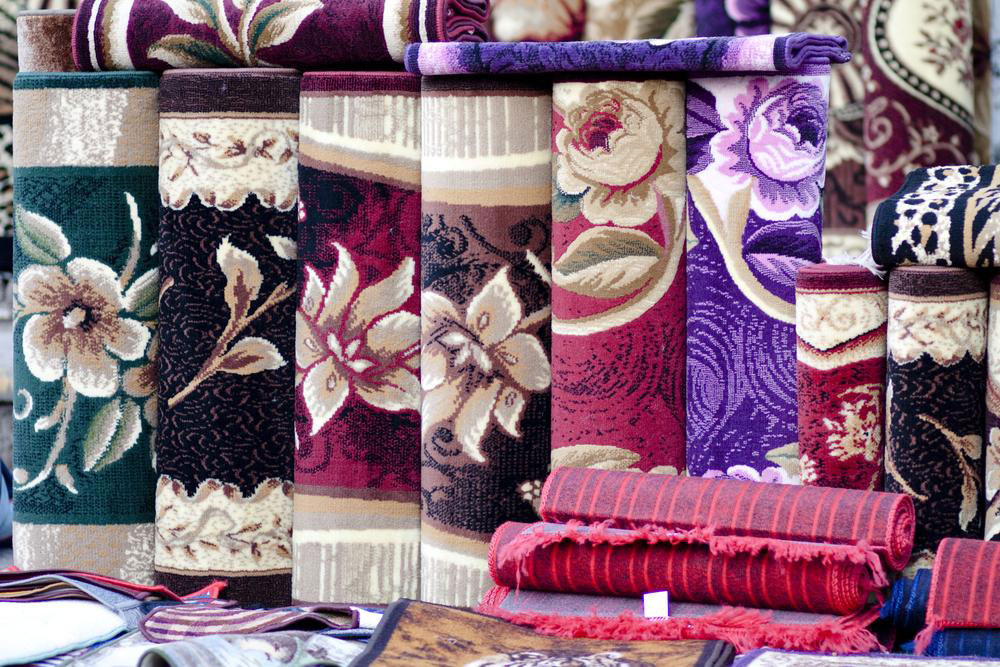
Carpet design and construction significantly impact price. Styles such as textured, patterned, frieze, plush, or loop pile vary in cost depending on complexity and the materials used. For example, intricate patterns and hand-crafted designs, like those seen in Persian or Oriental carpets, tend to command higher prices due to the labor-intensive process involved. Similarly, construction methods such as tufting, wilton weaving, or hand-knotting influence both the durability and cost of the finished product.
The intricacy of a carpet’s pattern, as well as the skill involved in its creation, can markedly increase its value. Rugs with high knot density, detailed motifs, and luxurious finishing require more time and expertise, thereby elevating their price point. Cheaper options might feature lower thread density or simpler designs that use fewer materials and less craftsmanship, making them more suitable for budget-conscious buyers.
Fiber Material and Quality
The core determinant of a carpet’s durability, feel, and cost is its fiber material. Natural fibers such as wool, silk, or cotton are traditionally valued for their softness, appearance, and longevity. Wool, for example, is prized for its insulating properties and resilience, but it is also costlier due to limited production and higher raw material costs. Silk rugs are considered luxury items, often showcasing elaborate craftsmanship but come with a hefty price tag.
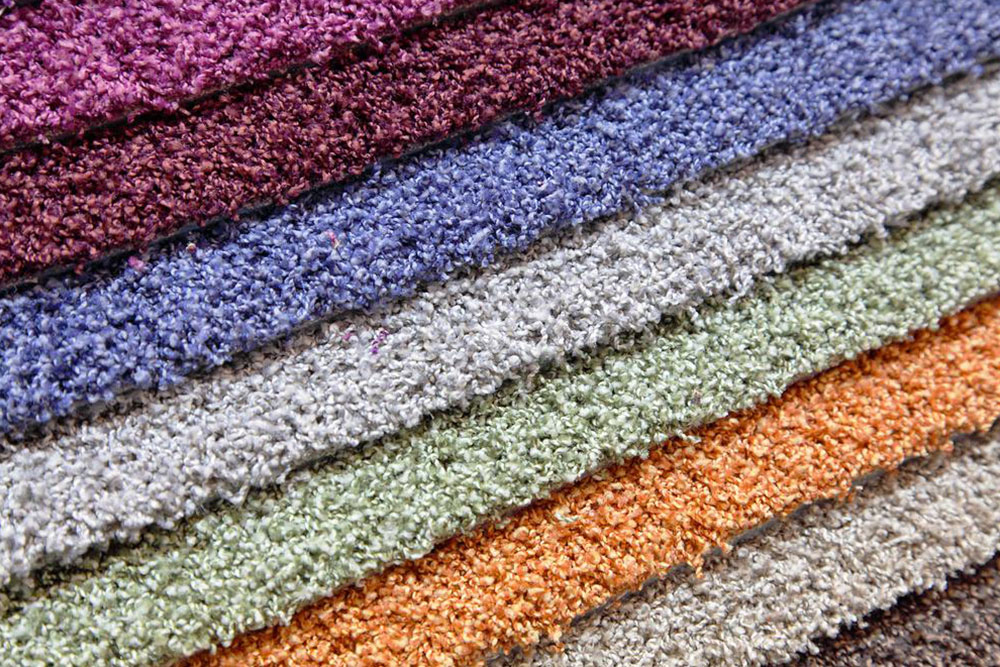
In contrast, synthetic fibers like nylon, polyester, olefin, andTriexta are manufactured on a large scale and tend to be more affordable. They offer advantages such as stain resistance, ease of maintenance, and increased durability, making them popular choices for both residential and commercial spaces. Additionally, some synthetic carpets are engineered to mimic the appearance of natural fibers, offering a balance of affordability and aesthetic appeal.
It's important to note that fiber quality varies, with higher-grade fibers providing better wear resistance and a more luxurious appearance. When selecting a carpet, consider the fiber type in relation to your durability needs, lifestyle, and budget.
Size of the Carpet
The size of a carpet directly affects its overall price. Larger carpets require more raw materials, labor, and time to produce, naturally leading to higher costs. For instance, a small accent rug may be quite affordable, whereas a large area rug for a spacious living room or commercial space can be significantly more expensive.
However, the size isn’t the sole determinant of cost. A smaller, designer or intricately patterned carpet may surpass the price of a larger, simpler rug. Custom sizes and shapes, especially those that need to be tailored to specific spaces, can also drive up costs due to specialized manufacturing processes.
Brand Reputation and Market Position
The brand behind a carpet can dramatically influence its price. Established, high-end brands like Fabrica, Masland, or Karastan often leverage their reputation for superior craftsmanship, innovative designs, and quality materials, which justifies premium pricing. These brands typically range from $5 to $25 per square foot, particularly for their luxury lines or custom orders.
Mid-tier brands such as Shaw, Mohawk, or Beaulieu offer a good balance between quality and affordability, usually priced between $2.60 and $10 per square foot. These brands are widely available and known for consistent quality, making them popular choices for both residential and commercial settings.
Budget brands or generic labels, including Smartstrand or Stainmaster, tend to be more economical, often costing between $1.60 and $5 per square foot. While these options may lack some of the premium craftsmanship or design detail of luxury brands, they still offer durability and aesthetic appeal suitable for many consumers.
Consumers should consider the brand’s reputation, customer reviews, warranty services, and design options when making their purchase decision. Comparing prices across different brands and seeking discounts or promotional offers can also help in securing the best value for your investment.
Additional Factors to Consider
Beyond the primary elements discussed above, there are additional considerations that influence the overall cost of a carpet:
Padding and Underlay: Quality padding can extend the life of your carpet and improve comfort, but it adds to the total expense.
Installation Costs: Professional installation ensures proper fitting and safety but can increase overall expenditure. Some retailers offer free or discounted installation services.
Maintenance and Durability: Some carpets are designed to withstand high traffic and are easier to clean, which can influence long-term costs.
Eco-friendliness: Organic or sustainably produced carpets may have a premium price but are better for the environment and indoor air quality.
In conclusion, understanding the multifaceted factors affecting carpet pricing enables you to make well-informed choices. Comparing different options, considering your specific needs, and seeking professional advice can help you find a balance between quality and budget. Whether you are outfitting a residential space, office, or commercial venue, knowing what drives cost allows you to select a carpet that offers both durability and aesthetic value.
Overall, a careful approach to shopping for carpets ensures you get the best value and a product that enhances your space for years to come.