Comprehensive Guide to Detecting Termite Infestation Early and Preventing Extensive Damage
This comprehensive guide details the key signs of termite infestation, including mud tubes, mud coatings, unusual sounds, and more. Early detection is crucial to prevent costly damage, with tips on recognizing signs like discarded wings, hollow wood, and frass. Regular inspections and swift action can effectively control termite problems, ensuring the safety and integrity of your property. Protect your home or business by understanding these indicators and engaging professional pest control services when needed.
Key Indicators Signaling an Imminent Termite Infestation
Termites are insidious pests that can cause catastrophic damage to homes and commercial properties if left unchecked. These tiny insects, often appearing as small, pale, soft-bodied creatures, thrive in various environmental conditions, especially in areas with high moisture or dry, secluded spots. They are notorious for their silent yet destructive behavior, often establishing colonies deep within wooden structures, making early detection crucial for effective treatment. Recognizing the symptoms of an early infestation allows homeowners and property managers to act swiftly and prevent costly repairs down the line.
In this comprehensive guide, we delve into the common signs that indicate a termite problem is brewing. By understanding these indicators, you can take timely action to eradicate the pests before they cause significant structural damage.
Early detection of termite activity is essential in pest control. Here are critical signs to watch for:
Mud Tubes: Perhaps the most recognizable sign of subterranean termites, mud tubes are slender, tubular structures made of soil, saliva, and wood particles. These tunnels often extend from the ground up to wooden structures and serve as safe pathways for termites to travel, shelter, and feed without exposure. Typically found near the foundation, crawl spaces, or beneath metal fixtures, mud tubes exemplify active termite foraging and need immediate inspection when spotted.
Mud Coating on Walls and Wood Surfaces: The presence of a slimy, muddy substance on damp walls, skirting boards, or the undersides of wooden furniture can indicate subterranean termites feeding beneath the surface. These mud deposits are secreted by termites to create moisture barriers and tunnels within wood and wall structures, making their detection subtle but vital.
Unusual Tapping Sounds: Termites communicate through vibrational signals, often producing faint clicking or tapping noises by striking their antennae or body parts. These sounds are especially noticeable during quiet times at night or when inspecting infested wood, signaling active colony movement within wood or walls.
Additional early signs that warrant attention include:
Discarded Wings: After a reproductive swarm, termite alates shed their wings, leaving them scattered around window sills, doors, or near light sources. This display indicates nearby termite colonies and active breeding populations.
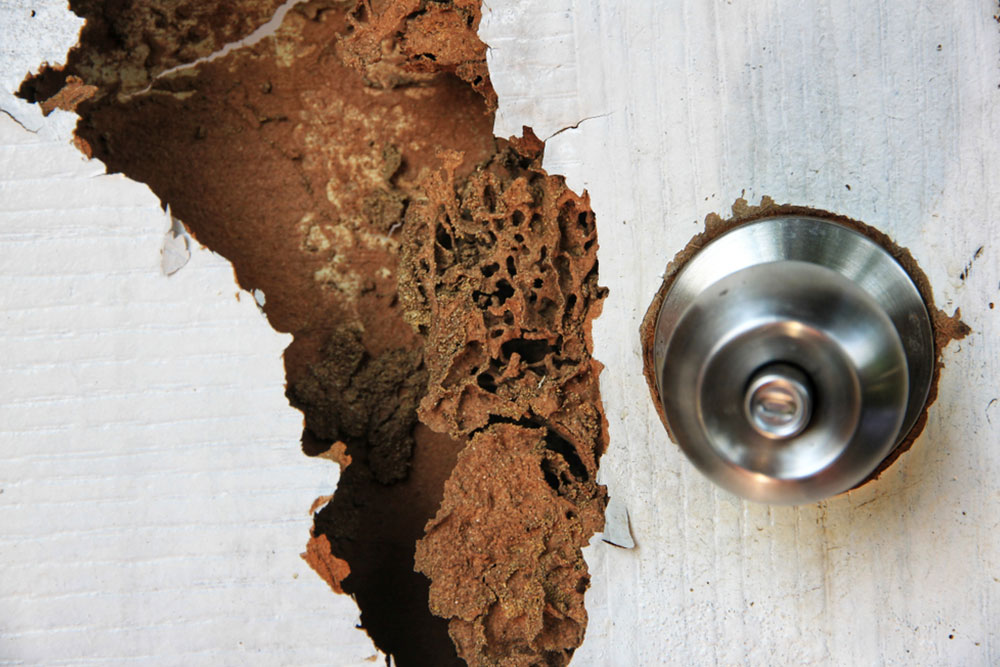
Hollow or Damaged Wood: Termites consume wood from the inside out, often leaving a thin veneer on the surface. Tapping on infested wood produces a hollow sound, and visible honeycomb-like structures within wooden items are telltale signs of internal feeding activity.
Termite Frass or Droppings: Small, pellet-like excrement resembling sawdust or tea leaves, known as frass, often accumulates beneath infested areas. Its presence confirms ongoing termite activity and reinforces the need for professional pest control measures.
Overall, early detection of these signs can significantly reduce the extent of structural damage and lower extermination costs. Regular inspections and prompt action upon noticing any of these symptoms are recommended to safeguard your property against termite destruction.