Effective Home Methods for Removing and Preventing Black Mold
Learn comprehensive and effective home-based strategies to eliminate and prevent black mold, crucial for ensuring a healthy living environment. This detailed guide covers mold identification, safe removal techniques, and preventive measures to control moisture and humidity. Take proactive steps to protect your home and loved ones from the health risks associated with black mold contamination using eco-friendly cleaning solutions and proper safety protocols. Regular maintenance and quick repairs are key to avoiding extensive mold issues, making this advice essential for homeowners and renters alike.
Effective Home Methods for Removing and Preventing Black Mold
Black mold, scientifically known as Stachybotrys chartarum, is a toxic fungus that can pose serious health risks to household members. It grows in damp, humid environments, thriving on organic materials like wood, drywall, and fabrics. If left unchecked, black mold can lead to respiratory issues, allergic reactions, and skin irritations. Therefore, understanding how to identify, effectively eliminate, and prevent black mold growth is crucial for maintaining a healthy and safe living space. This comprehensive guide provides practical strategies for homeowners and renters to combat black mold efficiently and safely.
The Role of Humidity and Moisture in Black Mold Growth
Black mold proliferates in areas with excessive moisture. Bathrooms, kitchens, basements, and laundry rooms are particularly vulnerable due to frequent water usage and high humidity levels. Every time you use hot water or experience leaks, moisture accumulates on surfaces, creating an ideal environment for mold spores to settle and grow. Controlling indoor humidity—ideally between 30-50%—is essential for prevention. Using dehumidifiers, exhaust fans, and fixing leaks quickly can significantly reduce the risk. Regularly inspecting plumbing and sinks helps to identify and repair leaks early, preventing mold from establishing itself.
Identifying black mold involves recognizing its distinctive appearance—dark gray to black patches that often appear fuzzy or slimy. It typically emits a musty, earthy odor that serves as a warning sign. Common areas affected include bathroom tiles, shower curtains, ceilings, behind wallpaper, and under sinks. If anyone in your household experiences unexplained cough, sneezing, nasal congestion, or itchy eyes, mold exposure might be a factor. Immediate action is necessary to prevent health issues and property damage.
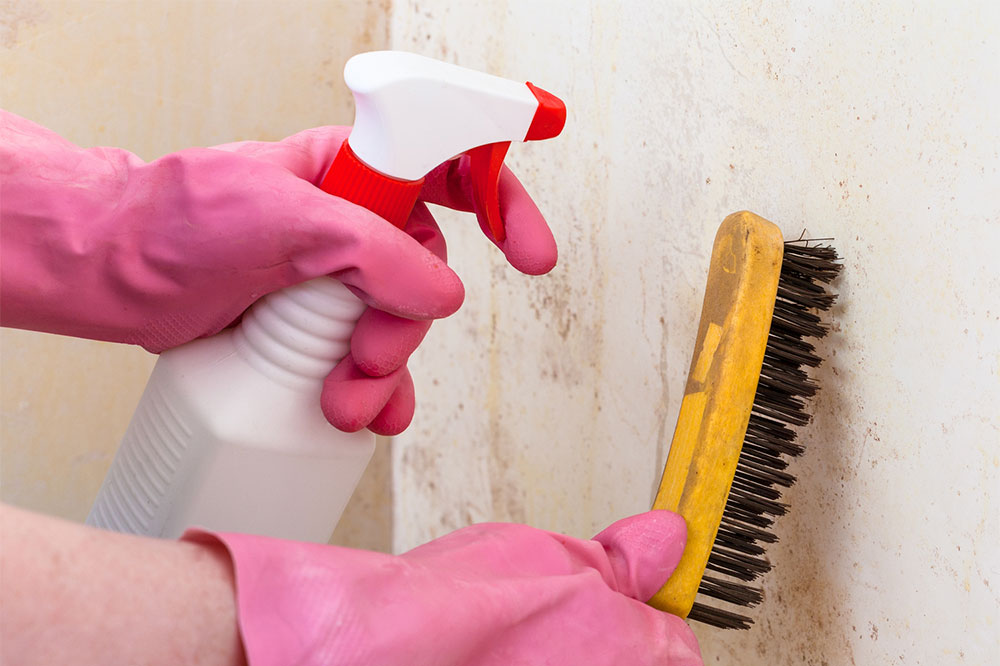
To eliminate black mold, start with cleaning solutions that are both effective and environmentally friendly. Bleach diluted with water (1 part bleach to 3 parts water) is a traditional and potent option: spray it on the affected area, let sit for 10 minutes, then scrub with a stiff brush or old toothbrush. Rinse thoroughly with clean water afterward. Alternatively, natural options like white vinegar and baking soda offer eco-safe solutions. Spray undiluted white vinegar directly onto moldy surfaces, wait for 30 minutes, then scrub and rinse. Baking soda paste (baking soda mixed with water) can be applied with a brush or sponge for stubborn spots. For painted or delicate surfaces, a mixture of water, vinegar, and borax provides effective control without damaging the paint.
Prevention strategies are equally important. Keep interior spaces well-ventilated by opening windows and using fans. Regularly clean and dry all surfaces affected by water—especially in bathrooms, kitchens, and laundry areas. Fix leaks immediately and ensure drains are clear to reduce standing water. Use moisture barriers in basements and crawlspaces to limit dampness. Installing exhaust fans in bathrooms and kitchens helps vent humidity outside. Also, consider using mold-resistant paints and materials during renovations to inhibit mold growth long-term.
Safety Guidelines for DIY Mold Removal
Mold remediation requires caution, especially in large infestations or when dealing with toxic molds. Always wear appropriate protective gear, including N-95 respirator masks, waterproof gloves, goggles, and disposable clothing. Proper ventilation is crucial—use fans to circulate air out of the space and prevent spores from spreading to other areas. Seal moldy materials, like drywall or wallpaper, in heavy-duty plastic bags before disposal. Minimize disturbance of moldy surfaces to prevent airborne spores; spraying surfaces with water before removal can help contain spores. After cleaning, vacuum the area with a HEPA-filtered vacuum or use a wet/dry vacuum outside to pick up residual spores. For extensive mold growth, or if you have underlying health issues, consulting professional mold remediation services is recommended.
Maintaining a mold-free home requires consistent effort, from controlling indoor humidity to prompt repairs of leaks. While small mold problems can often be managed with DIY methods, ensuring safety and thoroughness is essential. Regular inspections and prompt attention to water issues help prevent black mold from taking hold. Remember, when in doubt about the severity of an infestation or health impacts, professional assessment and remediation are the safest options. With proper knowledge and precautions, you can safeguard your home and health against black mold.