Comprehensive DIY Strategies for Maintaining Pristine Kitchen Hygiene
Discover comprehensive DIY techniques to effortlessly maintain a pristine, hygienic kitchen environment. From cleaning wooden cabinets to degreasing ovens and sanitizing sinks, learn eco-friendly methods that make kitchen cleaning simple, effective, and budget-friendly. Regular upkeep using household ingredients like vinegar and baking soda ensures your kitchen stays inviting, safe, and sparkling clean without relying on harsh chemicals. Perfect for homeowners seeking practical solutions, these tips promote healthier living spaces and extend the longevity of your kitchen surfaces and appliances. Keep your kitchen delightful and safe with easy DIY cleaning routines.

Comprehensive DIY Strategies for Maintaining Pristine Kitchen Hygiene
Keeping your kitchen spotless and hygienic is essential for a healthy home environment, but it can often seem like a daunting task. Fortunately, with a variety of practical do-it-yourself (DIY) cleaning techniques, you can efficiently maintain a clean, fresh, and safe kitchen space without relying heavily on commercial chemical cleaners. Whether you're dealing with stubborn grease on cabinets, grime inside appliances, or everyday dirt on sinks and countertops, there are simple, eco-friendly methods to restore shine and cleanliness. This guide will walk you through step-by-step procedures for effective DIY cleaning of key kitchen surfaces, helping you create an inviting and healthy culinary space.
Cleaning Wooden Cabinets: Wooden kitchen cabinets contribute to the warmth and charm of your space, but they require regular maintenance to prevent grease, dust, and stains from accumulating. To do this naturally and effectively, you can prepare a simple vinegar-based cleaner. Mix one cup of white vinegar with one cup of water in a spray bottle or bowl. Dip a soft cloth into this solution and gently wipe down all cabinet surfaces, paying special attention to corners and crevices where grease tends to build up. Vinegar acts as a natural degreasing agent that cuts through grime without damaging the wood finish. After wiping, use a dry, clean cloth to remove excess moisture, preventing warping or discoloration of the wood over time.
Post-cooking, it’s advisable to promptly wipe down cabinets with this vinegar solution. This routine prevents greasy buildup and keeps your wood surfaces looking fresh. For more stubborn grease or stains, especially on older cabinets, a mixture of warm water and a few drops of natural oil soap or wood cleaner can provide a deeper clean without harming the finish. Always test a small area first to ensure compatibility.
Cleaning Ovens: The oven is a crucial appliance that needs regular attention to keep it operating efficiently and maintain hygiene. A simple, eco-friendly method involves using baking soda. Sprinkle baking soda generously over oven surfaces, then dampen the area slightly with water to form a paste. Let it sit for a few hours or overnight to break down grease and grime. Afterward, scrub gently with a damp cloth or sponge, rinsing away the residues thoroughly. For deep cleaning, commercial oven cleaners are available, but natural baking soda paste offers a safe, non-toxic alternative that’s easy to prepare at home.
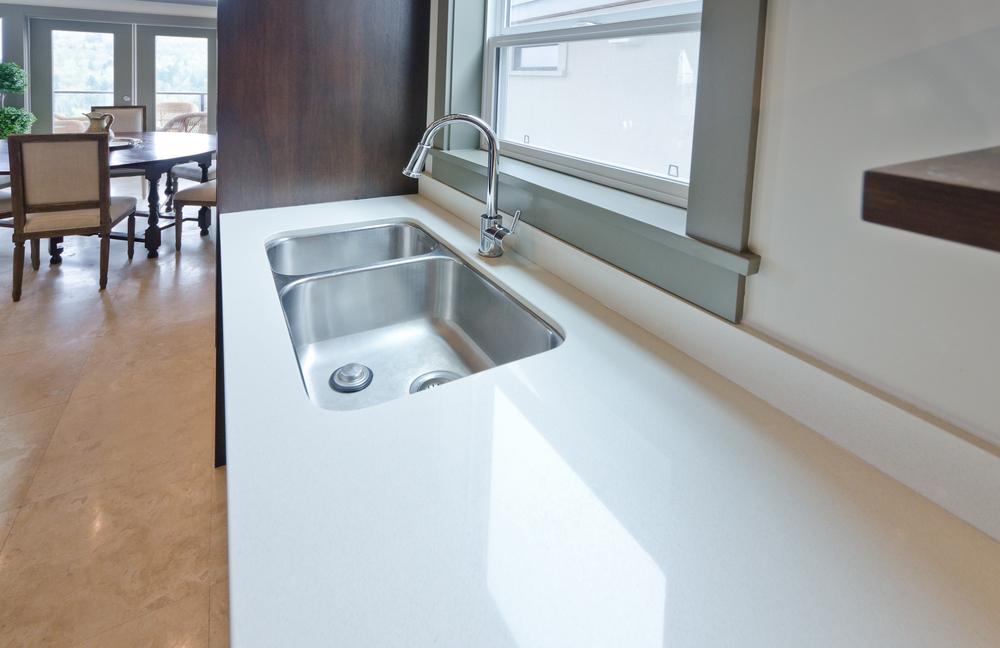
Cleaning Kitchen Sinks: Sinks are high-traffic zones prone to stains, soap scum, and bacteria. Regular disinfection is essential. Use a dedicated disinfectant cleaner suitable for your sink material or make a natural disinfectant with white vinegar and water. For stainless-steel sinks, a paste made from baking soda and water is highly effective. Apply it with a soft cloth or sponge, focusing on stained or greasy areas. Rinse thoroughly to remove any residue, then dry with a clean towel to avoid water spots or streaks. This routine not only keeps your sink hygienic but also restores its shine and appearance.
Incorporating these DIY cleaning methods into your weekly routine ensures your kitchen remains inviting, hygienic, and safe for food preparation. Aside from their effectiveness, these techniques utilize everyday household ingredients, making them budget-friendly, eco-conscious, and free from harsh chemicals. Regular maintenance helps prevent the buildup of dirt and grime, prolongs the lifespan of your appliances and surfaces, and creates a more pleasant cooking environment.
In conclusion, maintaining a clean and hygienic kitchen doesn’t require expensive products or complex procedures. With a bit of effort and these simple DIY techniques—ranging from vinegar solutions for wood cabinets, baking soda for ovens and sinks, to quick disinfectant routines—you can achieve a sparkling, odor-free kitchen that promotes health and well-being for you and your family. Consistency is key; dedicating a little time each week to these tasks will pay off in the form of a beautiful, safe, and hygienic kitchen space that you’ll enjoy spending time in every day.