Ultimate Guide to Choosing the Perfect Kitchen Cooktops for Your Home
This comprehensive guide explores various types of kitchen cooktops, including electric coil, flat-top, induction, gas, downdraft, and modular options. Learn their features, benefits, and what to consider when choosing the perfect cooktop for your home. Improve your kitchen's efficiency, safety, and aesthetics with expert insights on the latest cooktop technologies and designs.

Discover the Diverse Range of Kitchen Cooktops to Enhance Your Cooking Experience
Selecting the ideal cooktop is a crucial step in designing a functional and aesthetically pleasing kitchen. With a wide array of options available, each catering to different cooking preferences, lifestyles, and design themes, understanding the features and advantages of each type can help you make an informed decision. Whether you're renovating your kitchen or building a new one, choosing the right cooktop can significantly improve your culinary efficiency and overall kitchen ambiance.
In this comprehensive guide, we'll explore the most popular types of kitchen cooktops—ranging from traditional electric models to high-tech induction units and versatile gas options—to help you identify the best fit for your home.
Electric Coil Cooktops
Electric coil cooktops are among the most affordable and straightforward options for small households or first-time kitchen owners. Known for their durability and ease of maintenance, these cooktops utilize exposed coil burners that heat up quickly and provide reliable heat transfer. They are particularly user-friendly, making them a popular choice for those seeking an uncomplicated cooking surface.
Cleaning is relatively simple; however, cleaning around exposed coils can be a bit challenging compared to smooth surfaces. Installation is straightforward, requiring minimal setup. Although they might not offer the sleek aesthetics of modern designs, they remain practical and efficient for everyday cooking needs. These cooktops are excellent for boiling, frying, and simmering, accommodating a range of cookware sizes and types.
Electric Flat-Top Cooktops
Advancing in both form and function, electric flat-top or smooth-glass cooktops have gained popularity for their sleek, contemporary appearance. The flat surface not only enhances the visual appeal of your kitchen but also makes cleaning a breeze—simply wipe down the surface after cooking. These cooktops employ radiant heat elements beneath the glass, offering a consistent and controllable heat source.
hile their smooth surface provides elegance, it also demands careful handling to avoid scratches and cracks. They are best complemented with compatible cookware, such as flat-bottomed pots and pans. These cooktops are excellent choices for modern kitchens aiming for minimalistic design, offering both style and convenience. They support a variety of cooking techniques, from simmering to sautéing, making them versatile for various culinary styles.
Induction Cooktops
Induction technology represents a significant advancement in culinary appliances, offering a blend of safety, efficiency, and precise control. These cooktops utilize electromagnetic fields to directly heat pots and pans, resulting in a flame-free and cool-touch surface that enhances safety—especially important for households with children.
One of the main benefits of induction cooking is its rapid heating capability, which allows for faster cooking times compared to traditional electric or gas models. It also provides excellent temperature control, making it ideal for delicate dishes requiring precise heat adjustments. Maintenance is straightforward since the cooktop surface stays relatively cool, reducing the risk of burns and heat damage.
However, it is essential to use cookware compatible with induction technology, typically ferrous metals like cast iron or specially designed induction pots. This type of cooktop is perfect for health-conscious families looking for a safer, cleaner, and more energy-efficient kitchen appliance. Additionally, induction cooktops are often praised for their modern aesthetic and energy-saving features, which contribute to eco-friendly kitchen design.
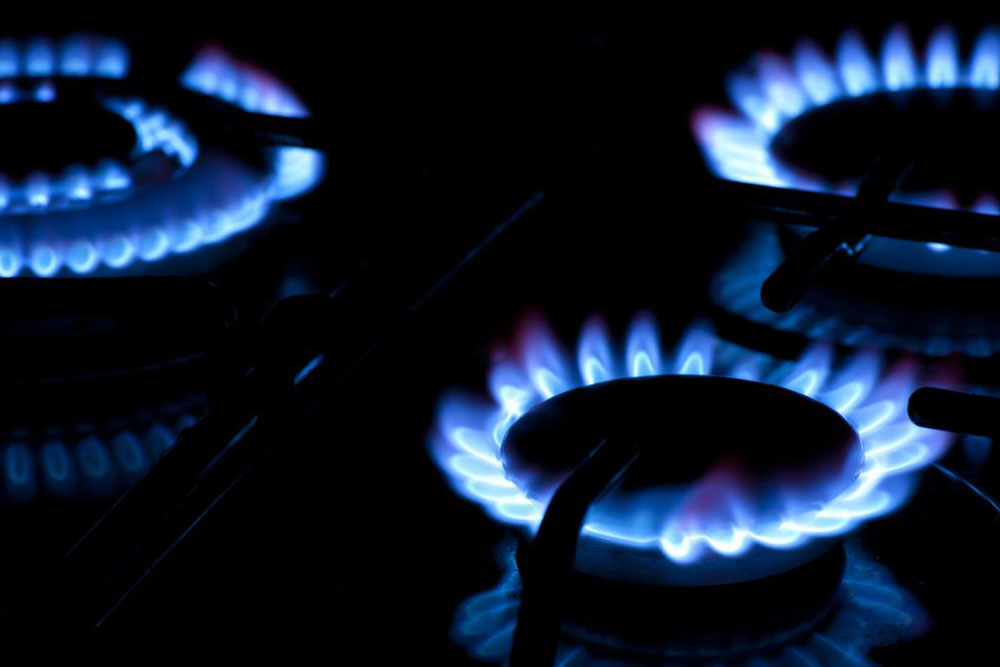
Gas Cooktops
Gas cooktops have been a staple in kitchens worldwide for decades, valued for their versatility and precise temperature control. They operate independently of electricity, making them highly reliable during power outages, which is a crucial feature for areas prone to electrical disruptions.
Gas burners quickly respond to temperature adjustments, allowing chefs and home cooks alike to simmer, boil, fry, or sauté with pinpoint accuracy. Their open flame provides visual feedback, giving users immediate insight into cooking progress. Also, many cooks prefer gas for its ability to accommodate various cookware types, including heavy cast iron or delicate pans that require steady heat.
Cost-effectiveness is another advantage, as natural gas and propane are often cheaper fuels compared to electricity. However, installing a gas line requires professional plumbing and ventilation considerations to ensure safety. Gas cooktops are ideal for culinary enthusiasts who desire flexibility, control, and a traditional cooking experience that many find irreplaceable.
Downdraft Cooktops
Downdraft or integrated ventilation cooktops incorporate built-in extraction systems designed to eliminate smoke, steam, and cooking odors directly from the cooking surface. This innovative feature negates the need for external range hoods or overhead exhaust fans, creating a cleaner and more streamlined kitchen space.
These cooktops are especially beneficial in kitchens with limited ceiling space or where installing overhead hoods is not feasible. The ventilation system draws contaminants downward through vents located within the cooktop, filtering out grease, odors, and airborne particles effectively. Many downdraft models are compatible with various cooktop styles, including electric and gas options, adding to their versatility.
While they are excellent for small or apartment kitchens, downdraft cooktops might have slightly less extraction power compared to traditional hoods, making proper placement and maintenance essential for optimal performance. They are perfect choices for modern home renovations aiming for minimalist aesthetics and efficient air quality management.
Modular Cooktops
Modular cooktops offer unparalleled customization, allowing homeowners and professional chefs to design a cooking station tailored specifically to their needs. These units can be combined in various configurations, including gas burners, induction zones, griddles, fryers, and specialized cooking appliances, creating a personalized culinary workspace.
This flexibility is ideal for large families, culinary enthusiasts, or commercial kitchens seeking a multi-functional setup. Modular cooktops facilitate easy upgrades or modifications as cooking preferences evolve over time, making them a long-term investment that adapts to your lifestyle.
Installation requires careful planning, but the ability to mix and match different cooking components results in a highly efficient and visually appealing kitchen—perfect for those who value both functional design and personalized aesthetics.
In conclusion, choosing the right kitchen cooktop depends on your cooking habits, safety considerations, kitchen layout, and personal style. Whether you prefer the simplicity of electric coil models, the modern elegance of flat-top designs, the speed and safety of induction, the traditional control of gas, or the innovative features of downdraft and modular options, there is a perfect cooktop to meet your culinary needs. Investing in the right appliance not only enhances your cooking experience but also elevates the overall design and functionality of your kitchen. Make sure to consider energy efficiency, maintenance, and safety to create a kitchen space that is both functional and beautiful.