Comprehensive Guide to Dietary Strategies for Hypertension Management
This comprehensive guide explores effective dietary and lifestyle strategies to manage high blood pressure naturally. Emphasizing the DASH diet, it highlights key foods to include and avoid for optimal blood pressure control. Including practical tips for adopting healthier habits, this article aims to empower readers to prevent and control hypertension through informed nutritional choices and lifestyle modifications. Perfect for those seeking a holistic approach to cardiovascular health, it offers detailed advice backed by clinical insights and expert recommendations.
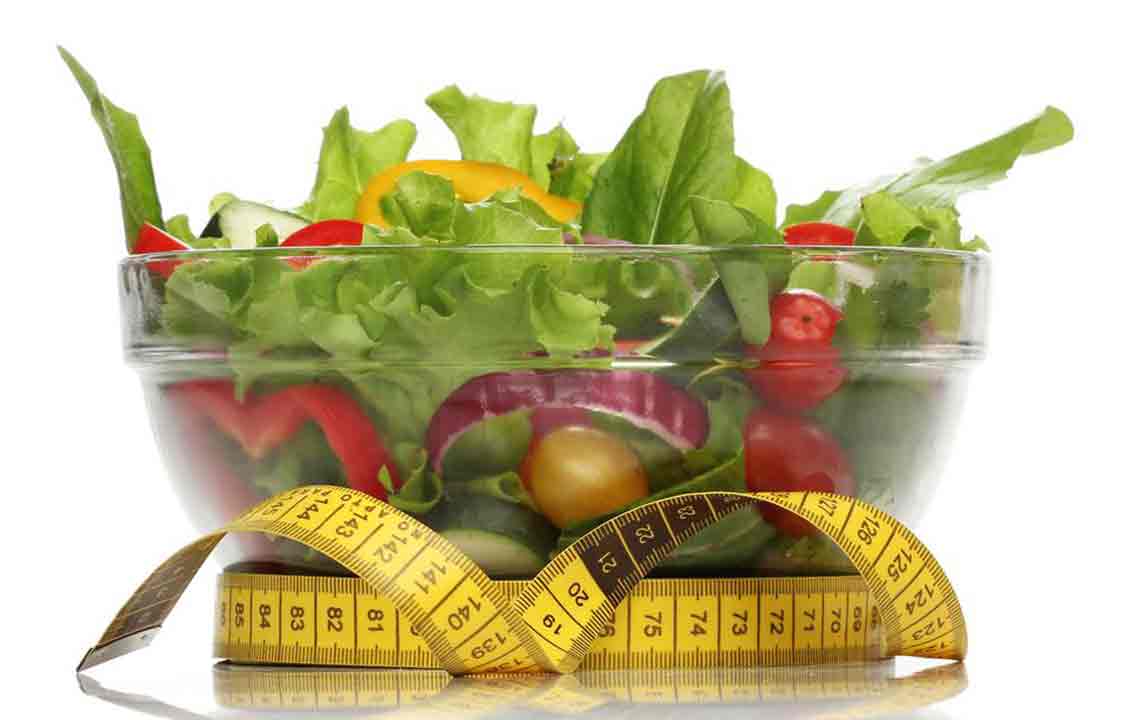
Comprehensive Guide to Dietary Strategies for Hypertension Management
High blood pressure, medically known as hypertension, is a prevalent condition that significantly increases the risk of heart disease, stroke, and kidney problems. Managing hypertension involves not only medication but also effective lifestyle and dietary adjustments. Among these, adopting specific dietary habits plays a crucial role in controlling blood pressure levels naturally. This comprehensive guide explores the importance of nutrition in hypertension management, focusing on proven dietary strategies, food choices, and lifestyle modifications that can help prevent and regulate high blood pressure.
Understanding Hypertension Hypertension occurs when the force of blood against the walls of arteries remains excessively high over a sustained period. Normal blood pressure is typically around 120/80 mm Hg, but readings exceeding 130/80 mm Hg are considered hypertension. Persistent high blood pressure strains the heart and damages the arterial walls, leading to serious health risks such as cardiovascular diseases, kidney failure, and cerebrovascular accidents. Recognizing the importance of managing blood pressure effectively is essential for reducing these risks and promoting overall health.
Factors Contributing to Hypertension Hypertension can develop due to a combination of genetic, environmental, and lifestyle factors. Age is a major risk factor, with the prevalence increasing among older adults. Genetics also play a role, making some individuals more susceptible regardless of lifestyle. Environmental factors such as hot climates can lead to dehydration, which may influence blood pressure. Other contributors include obesity, sedentary lifestyle, high salt intake, excessive consumption of unhealthy fats, smoking, chronic stress, diabetes, and pregnancy. While the exact cause of hypertension can be complex and multifaceted, awareness of these risk factors is crucial for preventive strategies and early intervention.
Medications and Their Role in Blood Pressure Control While lifestyle and dietary changes are foundational, they are often complemented by antihypertensive medications prescribed by healthcare professionals. Common options include diuretics, ACE inhibitors, beta-blockers, calcium channel blockers, and others. Though effective in lowering blood pressure, these medications may cause side effects such as fatigue, dizziness, or electrolyte imbalances. They serve as control measures rather than cures. Strict adherence to prescribed medication regimes is vital to prevent complications, but lifestyle modifications can enhance medication efficacy and sometimes reduce the need for high doses or multiple drugs.
Essential Lifestyle and Dietary Modifications for Hypertension Management Adopting a comprehensive approach that includes physical activity, healthy eating, weight management, and stress reduction significantly contributes to controlling hypertension naturally. Dietary strategies are especially impactful, with specific foods promoting healthy blood pressure levels while others should be limited or avoided.
The following dietary guidelines are recommended for those with high blood pressure or at risk:
Limit sodium intake: Keep salt consumption below 2,300 milligrams per day, ideally aiming for 1,500 milligrams for greater effectiveness.
Avoid processed foods high in salt such as deli meats, canned soups, frozen meals, pickles, and snack foods.
Reduce intake of added sugars found in sodas, candies, baked goods, and sweetened beverages, as excess sugar contributes to obesity and high blood pressure.
Limit consumption of saturated and trans fats found in red meats, full-fat dairy, fried foods, and processed snacks.
Replace unhealthy fats with healthier options, such as olive oil, avocados, and nuts.
Conversely, including certain foods in your diet can help lower blood pressure:
Leafy greens such as kale, spinach, arugula, and Swiss chard, rich in potassium, which counteracts sodium’s effects.
Fruits like berries, bananas, and oranges that contain natural compounds like flavonoids and potassium beneficial for cardiovascular health.
Red beetroots, known for their high nitrate content that helps dilate blood vessels and improve blood flow.
Low-fat dairy options such as skim milk, yogurt, and cheese, providing calcium and vitamin D.
Fiber-rich foods like oats, whole grains, beans, and legumes, supporting heart health.
Fatty fish including salmon, mackerel, sardines, and albacore tuna, packed with omega-3 fatty acids that reduce inflammation and support blood vessel elasticity.
Unsalted seeds like sunflower and pumpkin seeds, which supply essential minerals like magnesium and potassium that aid blood pressure regulation.
Implementing these dietary changes, combined with regular physical activity, quitting smoking, managing stress through techniques such as meditation or yoga, and maintaining a healthy weight, can greatly improve hypertension management. Regular consultation with healthcare providers to monitor blood pressure and adjust treatment plans accordingly is also essential. Small, consistent lifestyle modifications can lead to significant health benefits, reduce dependence on medication, and enhance overall well-being.