How to Choose the Perfect Filing Cabinet to Suit Your Storage Needs
This comprehensive guide explores various types of filing cabinets suitable for home, office, and record storage needs. It emphasizes the importance of choosing the right storage solution based on space, document type, and accessibility. Learn how to select from lateral, vertical, mobile, and specialty cabinets to optimize organization, security, and efficiency in managing physical documents. Whether for business or personal use, understanding these options helps you create an effective, space-saving, and durable filing system tailored to your specific requirements.
How to Choose the Perfect Filing Cabinet to Suit Your Storage Needs
In today’s increasingly digital world, many believe that paper documents are becoming obsolete, replaced entirely by electronic files stored in the cloud. However, the reality remains different for many households and businesses that still rely heavily on physical paperwork. From important legal documents such as property titles and legal contracts to educational records, medical reports, and personal files, physical storage solutions like filing cabinets continue to play a vital role in effective organization and security. As organizations grow and the volume of paper increases, selecting the most suitable filing cabinet becomes essential to maintaining order, ensuring easy access, and preserving important documents over time.
Understanding the various types of filing cabinets available on the market can help you choose the ideal storage solution tailored to your specific needs. Whether you are outfitting an office, a home study, or a record-keeping space, the right filing cabinet can significantly enhance your organizational efficiency. Here, we explore different types of filing cabinets, their features, advantages, and considerations to help you make an informed decision and create an efficient document management system.
Different Types of Filing Cabinets and Their Uses
Before selecting a filing cabinet, it’s crucial to analyze your storage needs, available space, usage habits, and accessibility preferences. Below is a detailed guide to the most common types of filing cabinets and their ideal applications.
Lateral Filing Cabinets: These wide, horizontal units are characterized by side-by-side drawers that extend from the top to the bottom. Lateral filing cabinets are perfect for offices or homes where space is limited horizontally but ample width is available. They provide easy access to files and can hold a significant volume of documents, making them suitable for environments with high document turnover or frequent retrieval. Their design allows users to organize files by categories or departments efficiently.
Vertical Filing Cabinets: Tall and narrow, vertical filing cabinets store documents in deep drawers arranged front-to-back. They are favored for their vertical orientation, which conserves floor space while providing ample storage capacity. These cabinets are ideal for private offices or spaces where storage needs are substantial but horizontal space is limited. They often come with lockable drawers for enhanced security of sensitive information.
Mobile Filing Cabinets: Designed for versatility and convenience, mobile filing cabinets are compact units mounted on wheels, allowing them to be moved easily from one location to another. Their flexibility makes them suitable for shared spaces, temporary workstations, or environments where space needs may change frequently. Small and portable, they are ideal for storing documents that need to be accessed in multiple areas or for use in dynamic office layouts.
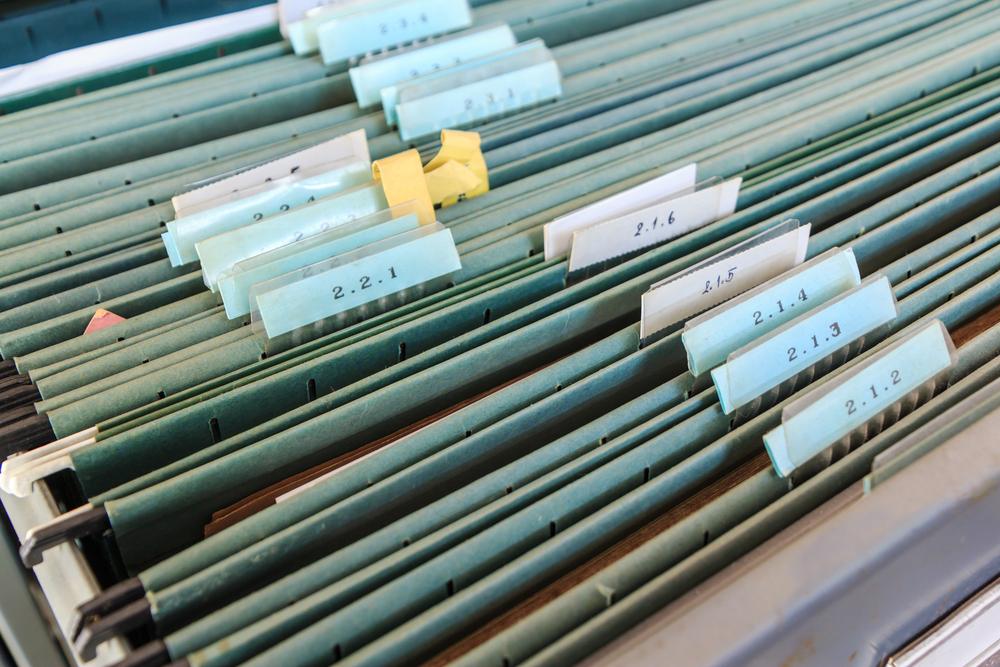
Side Tab Filing Cabinets: Recognized for quick retrieval, side tab filing cabinets feature open shelves or bins where files are organized using tabs on the edges of documents. They are especially useful for medical offices, libraries, or any environment that requires rapid access to files. The open design allows users to easily identify and pull specific records without opening drawers, saving time during busy periods.
Rotating Filing Cabinets: Space-saving and innovative, rotating filing cabinets consist of shelves that rotate around a central axis, allowing access to multiple sides without requiring extra room to open doors fully. They are ideal for compact spaces or archives with a large volume of files in a small footprint. Their design maximizes storage while minimizing the amount of space needed.
Card Filing Cabinets: Small, vertical units designed specifically for storing index cards or small document slips. Commonly used in libraries, medical offices, and record centers, these cabinets organize small data points for quick cross-referencing and retrieval. They often feature multiple drawers with dividers to keep cards systematically arranged.
Flat Filing Cabinets: Featuring shallow drawers, flat filing cabinets are used to store large-format documents that cannot be folded or rolled, such as blueprints, maps, artwork, or posters. They provide a horizontal storage solution that preserves the integrity of documents and prevents damage. Flat files are typically found in architectural firms, art studios, or museums where preservation of large documents is paramount.
When choosing the ideal filing cabinet, consider factors such as the volume of documents you need to store, the type and size of files, available space, security requirements, and frequency of access. Combining different types of storage units may offer a comprehensive solution, optimizing your organizational system and making document retrieval quick and efficient.
Additional tips include evaluating the durability of materials used, the locking mechanisms for sensitive files, and the overall design to match your decor. Proper labeling and organizing methods enhance usability, ensuring your filing system remains efficient and reliable over time.
In conclusion, selecting the correct filing cabinet is a foundational step in establishing an organized, secure, and accessible document storage environment. By understanding the various options and considering your unique needs, you can create a tailored storage solution that streamlines your workflow, safeguards vital records, and saves valuable space.