Comprehensive Guide to Managing and Eliminating Cluster Fly Infestations in Residential Spaces
This comprehensive guide details effective strategies for homeowners to control and eliminate cluster fly infestations, emphasizing DIY methods, preventive measures, and professional pest control options. Learn how to keep your home clean, safe, and pest-free during seasonal outbreaks, with tips on sealing entry points, using natural repellents, and selecting reliable pest control services to ensure long-term relief.

Comprehensive Guide to Managing and Eliminating Cluster Fly Infestations in Residential Spaces
Cluster flies are a common household nuisance, notorious for their tendency to gather in large swarms, especially during the colder months. Their presence can disrupt the cleanliness and comfort of your home, as they tend to congregate in attics, wall voids, and around windows, often leaving behind fecal matter that can compromise indoor hygiene. While these pests are generally harmless to humans, their sheer numbers and mess can be distressing. Fortunately, homeowners have access to effective methods for managing and eradicating these flies without necessarily relying on professional pest control services. This extensive guide will explore proven strategies and practical tips to help you regain control over cluster fly infestations, ensuring your home remains clean, safe, and pest-free throughout the year.
Understanding Cluster Flies: Behavior and Attraction
Before diving into control methods, it’s essential to understand why cluster flies become such a problem. These insects are typically brownish with a distinctive appearance and prefer to feed on plant-based materials such as nectar, fruits, and plant sap. During the warmer months, they stay outdoors, but as temperatures drop, cluster flies look for cozy shelter—often slipping inside through small cracks and gaps around windows, doors, and vents. Their behavior involves gathering in large numbers, especially in dark, warm areas like attics, wall voids, and behind electrical outlets. This knowledge is crucial for effective intervention, as targeting their hiding spots and understanding their habits can significantly reduce their numbers and prevent reinfestation.
Effective DIY Techniques to Combat Cluster Flies
The first line of defense often involves applying simple, DIY methods to control the fly populations inside your home. These approaches are cost-effective, environmentally friendly, and easy to implement, making them ideal for homeowners seeking immediate relief.
Manual Removal and Vacuuming
The slow flight and sluggish movement of cluster flies make them particularly easy targets for removal. Using a handheld vacuum cleaner with a hose attachment allows for quick, efficient collection of visible flies from walls, ceilings, and window sills. Since these insects tend to gather in large clusters, regular vacuuming during peak activity times can drastically reduce their numbers. After vacuuming, promptly dispose of the contents in a sealed bag or container to prevent re-infestation and clean the vacuum canister with soap and water to eliminate lingering odors that may attract other pests.
Targeted Use of Indoor Insect Sprays
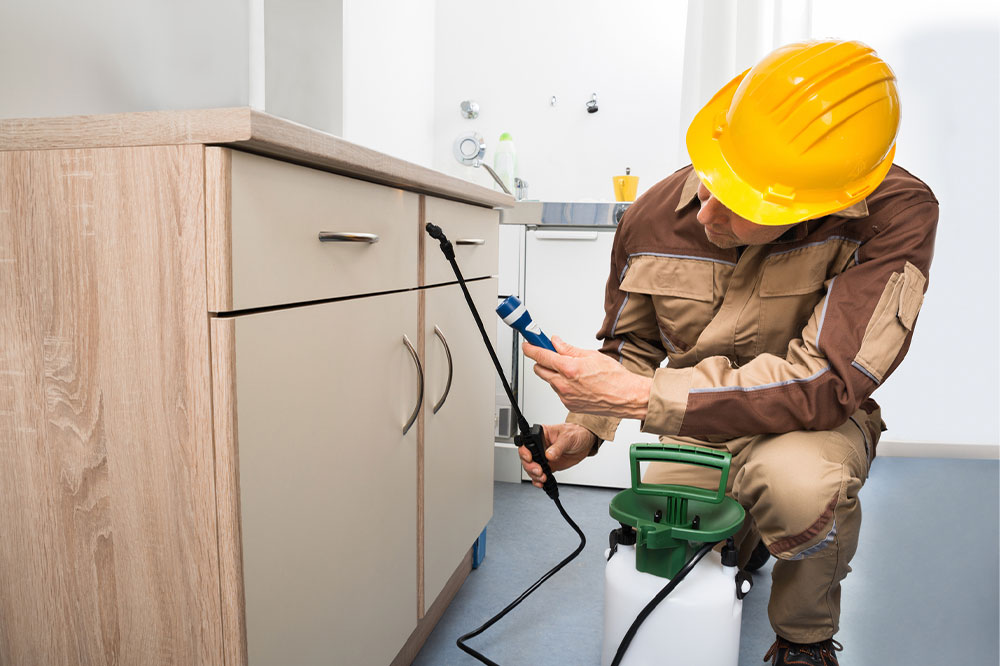
When selecting insecticides, opt for products approved for indoor use that contain natural active ingredients like pyrethrins. These compounds effectively kill cluster flies on contact and are safe for household use when applied correctly. To maximize efficacy, spray areas where flies are likely to congregate, such as window frames, soffits, attics, and behind electrical outlets. Always follow label instructions carefully, and keep the area well-ventilated during and after application to ensure safety for residents and pets.
Light Traps and Monitoring Devices
Installing light traps in strategic locations, such as attics, basements, or large open hallways, can attract and capture cluster flies passively. These traps emit UV light, which draws the insects away from living areas, trapping them on sticky surfaces or in collection chambers. Regularly check and clean the traps to maintain their effectiveness. Light traps not only help reduce adult fly populations but also serve as an early warning system to monitor ongoing infestations.
Organic Desiccant Dusts and Baits
Desiccant dusts like diatomaceous earth or silica gel work by dehydrating insects upon contact. Applying these powders around entry points, cracks, and crevices can block potential ingress routes and eliminate flies that manage to get inside. Moreover, these organic options pose minimal risks to humans and pets when used correctly. To prevent secondary problems, always remove dead insects, especially in hidden areas, and clean the treated zones thoroughly.
Proactive Measures for Long-term Prevention
Besides immediate control, implementing preventive strategies can minimize future infestations:
Seal all cracks and gaps around windows, doors, and vents using weatherstripping or caulk.
Install screens on vents, windows, and attic openings to block entry points.
Maintain a tidy yard by removing decaying plant matter and compost piles that attract adult flies.
Ensure that indoor spaces, especially attics and wall cavities, are properly insulated and sealed to prevent fly ingress.
When to Seek Professional Pest Control Assistance
While DIY methods are often effective for minor to moderate infestations, persistent or large-scale problems may require professional intervention. Pest control professionals have access to stronger, more targeted chemical agents and advanced techniques that ensure complete eradication. When choosing a pest control service, consider the following factors:
Reputation and Reviews
Check online reviews and testimonials to assess past customer experiences. Select providers with consistently positive feedback, especially regarding their effectiveness and professionalism.
Use of Eco-friendly and Safe Products
Request information about the pesticides used. Prefer companies that prioritize environmentally safe and family-friendly products, reducing health and environmental risks.
Experience and Certifications
Verify the credentials and industry experience of the technicians. Skilled professionals are more likely to implement effective treatment plans tailored to your specific situation.