Comprehensive Guide to Building an Effective Residential Security System
This comprehensive guide explores the essential components of a top-tier residential security system. It covers various sensors like infrared, ultrasonic, microwave, and advanced detectors such as glass break and fire alarms. The article emphasizes durability, strategic placement, and reviewing top brands for effective home protection. Properly selecting and integrating these components can significantly enhance your home's safety. Learn how layered security solutions protect your property from intrusions, fires, and gas leaks, providing peace of mind and rapid response during emergencies.
Essential Components of a High-Performance Home Security System
In today’s environment where safety concerns are escalating, establishing a robust residential security system is more critical than ever. A comprehensive security setup not only protects your property but also ensures peace of mind for you and your loved ones. While many think that a simple lock on the door suffices, modern homes demand layered security solutions that incorporate various advanced sensors and detection devices to deter, detect, and respond to intrusions or emergencies effectively.
Enhancing your home security involves integrating multiple protective measures. High-quality locks and outdoor lighting serve as the first line of defense, helping to ward off potential intruders. Complementary systems like outdoor motion-activated lights and reinforced door and window locks significantly elevate your home’s security profile. Yet, to truly safeguard your property, investing in a sophisticated alarm system equipped with various sensors is essential. These sensors work harmoniously to detect different types of threats, ensuring rapid response and minimal damage or loss.
The core of an effective home security system lies in its sensors. Here are some of the most vital components that form the backbone of comprehensive home protection:
Passive Infrared Sensors (PIR) – These sensors detect infrared radiation emitted by warm objects, such as humans. When a PIR sensor detects a sudden temperature change within its field of view, it triggers the alarm. They are highly effective for motion detection in indoor and outdoor environments, providing proactive security alerts.
Ultrasonic Sensors – Operating by emitting ultrasonic sound waves, these sensors bounce signals back when they encounter objects. Any changes or movement in an area activate the sensor, alerting homeowners to unauthorized activity.
In addition to PIR and ultrasonic sensors, microwave sensors are widely used in security systems due to their ability to penetrate certain obstacles and cover larger areas. Microwave sensors work similarly to radar, emitting microwave signals and detecting reflections caused by moving objects.
Further protective devices include:
Glass Break Sensors – These sensors identify the shock waves or vibrations caused by shattering glass, providing instant alerts when windows are broken or tampered with.
Infrasound Sensors – Sensitive to low-frequency sounds, infrasound sensors can detect impacts, vandalism, or machinery noise linked to break-ins or destructive activities.
Fire and Gas Detectors – Smoke sensors are crucial for early fire detection, providing vital time to evacuate or suppress the fire. Carbon monoxide detectors alert residents to dangerous gas leaks, preventing poisoning. Temperature sensors help prevent freezing pipes and system overheating, reducing property damage risks.
Home security extends further through various other sensors and protective devices. Hermetically sealed reed switches, surveillance radars, driveway alarms, magnetic sensors, and wire fence systems can be incorporated into a layered security plan. These additional peripherals enhance detection accuracy and coverage, especially in larger properties or complex layouts.
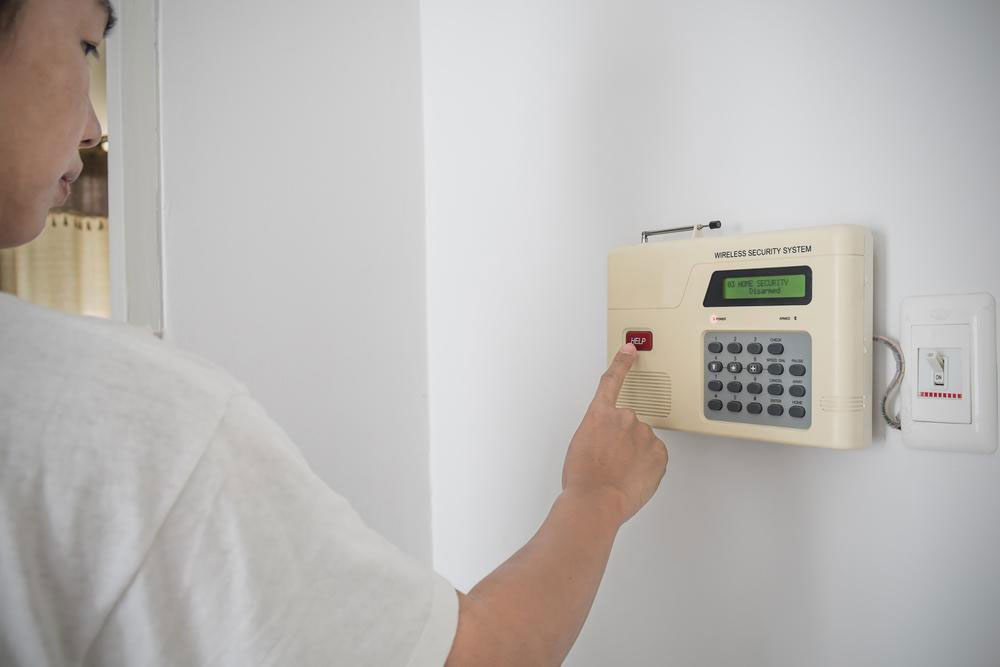
Durability and resilience are pivotal—sensors should be crash-resistant and able to withstand harsh weather conditions if placed outdoors. Strategic placement of panic buttons throughout the residence ensures quick access to help during emergencies, enabling immediate alerts to security companies or authorities.
Leading brands in the home security industry include Frontpoint, Protect America, Vivint, Link Interactive, Scout, and LiveWatch, each offering a range of comprehensive, user-friendly solutions tailored for different needs and budgets.
When selecting a security system, it’s vital to review carefully the manufacturer’s manuals and user reviews. These documents offer insights into system performance and reliability. Online review platforms also provide real-world experiences from homeowners, aiding you in making informed decisions. The latest security offerings go beyond basic locks to incorporate biometric systems such as retina scanners and fingerprint readers, alongside advanced wireless sensors.
Choosing the right system depends on your specific needs, security threats, budget, and preference for automation. Conduct thorough research, consult professionals if needed, and opt for a system that provides comprehensive coverage, reliable alerts, and scalable options to adapt to future security needs. An investment in a well-designed home security system is an investment in peace of mind and the safety of your loved ones.