Comprehensive Guide to Lint Rollers: Uses, Maintenance, and DIY Crafting Tips
This extensive guide explores the versatile uses of lint rollers in everyday cleaning, including removing pet hair, cleaning delicate fabrics, and tackling common household messes. It also provides step-by-step instructions for DIY lint roller creation, making it an essential resource for maintaining a spotless home environment efficiently and affordably. Discover tips for safe usage and learn how to customize your own lint removal tools for various surfaces and needs.
Comprehensive Guide to Lint Rollers: Uses, Maintenance, and DIY Crafting Tips
Maintaining a clean and tidy living environment involves more than just regular sweeping and washing. Micro-particles such as pet hair, lint, dust, and tiny fabric fibers tend to settle on various surfaces, including clothing, furniture, lampshades, and curtains. These particles may seem insignificant but can significantly impact skin comfort, trigger allergies, and cause respiratory discomfort especially among sensitive individuals. The effective removal of these tiny intruders is essential for a healthier home environment, and one of the most efficient tools for this purpose is the humble lint roller.
Understanding the Lint Roller: An Essential Cleaning Tool
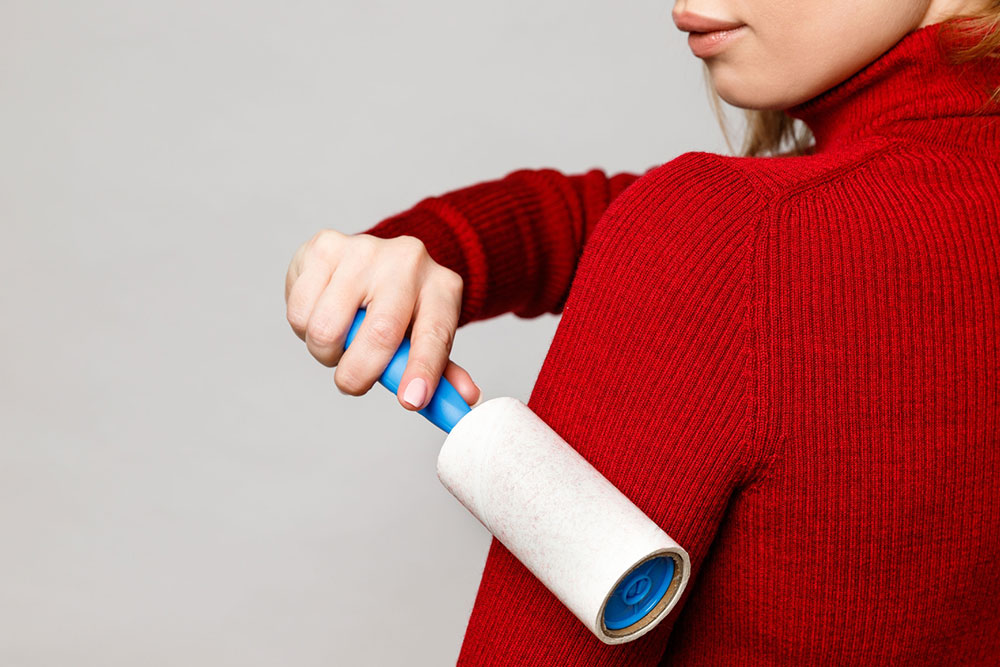
A lint roller is a compact, handheld cleaning device designed to handle minor surface debris effortlessly. Its primary structure comprises a sturdy handle attached to a cylindrical core, which is wrapped in layers of sticky, adhesive paper strips. When you roll the device over fabric or other surfaces, the adhesive pulls away loose particles with remarkable ease, leaving the surface clean and fresh. This simple yet effective design makes lint rollers indispensable for daily home maintenance, especially for pet owners, allergy sufferers, and those who value meticulous cleanliness.
Practical Applications of Lint Rollers in Household Cleaning
Lint rollers are versatile tools used in a variety of household cleaning tasks. Their simplicity and effectiveness make them perfect for quick touch-ups and detailed cleaning routines alike. Below are some of the most common and effective applications of lint rollers in maintaining a pristine home.
1. Cleaning Delicate and Soft Fabrics, Such as Lampshades
Soft, fabric-covered lampshades tend to trap dust, pollen, and pet dander. Using a lint roller on these surfaces gently removes accumulated debris without the need for harsh scrubbing or detergents. For best results, gently roll the adhesive side over the fabric in a steady, firm manner. Be cautious not to press too hard, especially on delicate or velvety surfaces, to avoid damage. Avoid using this method on paper or plastic lampshades, as the adhesive might cause tearing or residue buildup.
2. Efficient Removal of Pet Hair and Allergens
One of the most common uses of lint rollers is eliminating pet hair from furniture, clothing, and bedding. Pet hair can cling stubbornly to fabrics, complicating cleaning routines. Regular use of a lint roller effectively lifts pet fur and dander, reducing potential allergens and improving indoor air quality. This is particularly beneficial for allergy sufferers and asthmatic individuals, as reducing airborne allergens can significantly enhance comfort and respiratory health.
3. Cleaning and Maintaining Children's Plush Toys
Children’s stuffed toys can collect dust, lint, and skin flakes over time. Using a lint roller on plush toys helps remove these accumulated contaminants, reducing the risk of respiratory issues and allergies in children. Cleaning toys regularly with a lint roller can also prolong their lifespan and keep them looking clean and inviting.
4. Safe and Effective Glass Fragment Removal
Broken glass hazards are a common household issue. Tiny glass shards can be difficult to see but pose a significant risk of injury. Rolling a lint roller over the affected area can pick up small glass fragments that are capably captured by the adhesive surface, facilitating safer cleanup. Always wear gloves and handle broken glass carefully, but a lint roller can be a helpful tool for removing the tiny, sharp particles left behind.
5. Keeping Curtains and Draperies Dust-Free
Curtains, especially those made from fabric that cannot be washed frequently, tend to gather dust, pet hair, and pollen. Regularly rolling a lint roller over curtains helps maintain an allergy-free environment and keeps window treatments looking fresh. This quick maintenance task is ideal for routine house cleaning when a full wash isn’t feasible.
DIY Making Your Own Lint Roller at Home
Creating an effective lint roller at home is a simple, inexpensive project. You will need a few basic materials: a standard paint roller, residue-free duct tape, or other sticky materials such as rubber or flexible plastic sheets. To assemble, wrap the sticky tape around the roller's surface in a spiral fashion, adhesive side outward. Secure the tape with additional strips if necessary. When you need to clean, simply peel away the used tape layer to reveal a fresh sticky surface. This homemade solution provides an eco-friendly alternative to disposable lint rollers and can be customized for various cleaning needs.
Alternative DIY options include using rubber gloves or a rubber brush for dust removal, or repurposing other adhesives or sticky materials for different applications. Regardless of the method, the main goal remains the efficient removal of lint, pet hair, dust, and other small debris from surfaces in a cost-effective and environmentally conscious way.