Comprehensive Guide to Essential Earth Moving Equipment for Construction Projects
This comprehensive guide explores the most essential earth moving equipment used in construction. It details the features, functions, and applications of excavators, bulldozers, backhoe loaders, motor graders, skid steer loaders, and trenchers. Understanding these machines helps construction professionals select the right equipment for various project needs, ensuring efficiency, safety, and cost-effectiveness across different construction scenarios.
In the world of construction, choosing the right earth moving machinery is crucial for the success and efficiency of any project. Different types of equipment are tailored to specific tasks, project scales, and site conditions. Understanding the distinct features, functionalities, and applications of each type of earth moving equipment can significantly enhance productivity, safety, and budget management. This comprehensive guide explores the most common and essential earth moving machinery used in construction, providing detailed insights to help contractors, engineers, and project managers make informed decisions.
Earth moving equipment encompasses a wide range of machinery designed to facilitate excavation, grading, lifting, and hauling operations. Among these, six main types are most frequently encountered in the construction industry: excavators, bulldozers, backhoe loaders, motor graders, skid steer loaders, and trenchers. Each piece of equipment offers unique advantages and is optimized for specific functions, making them indispensable assets on construction sites worldwide.
Excavators: Versatile and Powerful Digging Machines
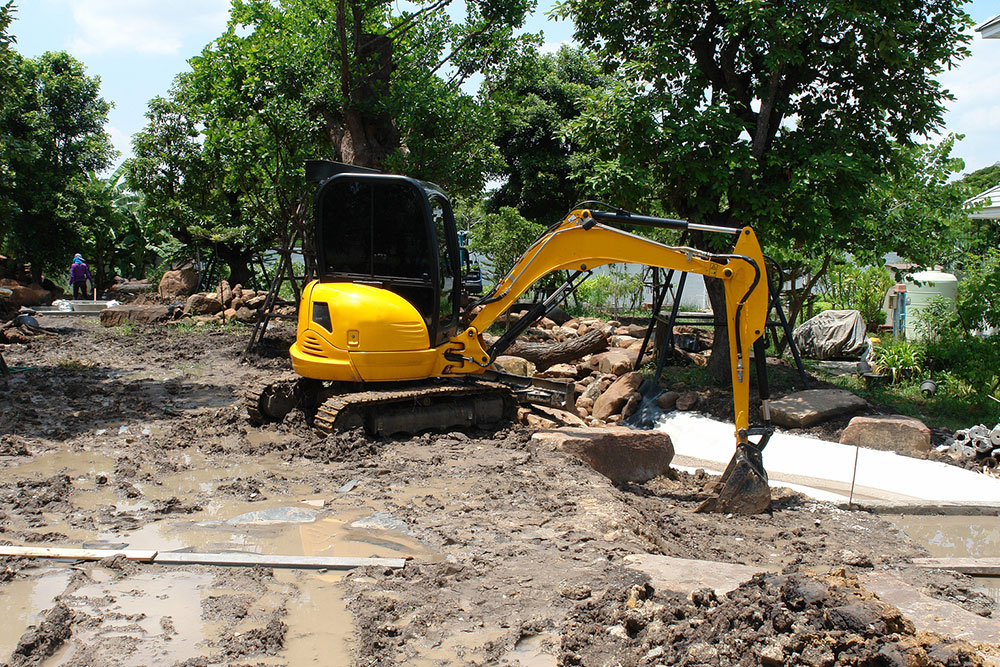
Excavators are perhaps the most recognizable and heavily utilized earth moving machines on construction sites. Known for their robust build and versatility, these machines are essential for a broad range of activities, including digging foundations, trenches, and holes, as well as lifting and placing heavy materials. Their design typically features a long, pivoting arm attached to a rotating cab mounted on a tracked or wheeled undercarriage. This configuration provides high reach, excellent stability, and precise control, which are vital for detailed excavation tasks.
The large bucket at the end of the excavator arm allows for the efficient removal of soil, debris, or other materials. Modern excavators are equipped with advanced hydraulic systems that enhance their ability to perform delicate operations alongside heavy-duty tasks. They can be fitted with various attachments like breakers, grapples, and augers, making them adaptable to different job requirements. Due to their versatility, excavators are indispensable in civil engineering, road construction, and infrastructure development projects.
Bull-dozers: The Powerhouses of Earth Moving
Bulldozers are renowned for their strength and durability. Their primary function involves pushing large quantities of soil, gravel, or debris, making them ideal for rough grading, land clearing, and foundation work. The defining feature of a bulldozer is its sturdy, large blade mounted on the front, which is hydraulically controlled for precise movements. This blade can be angled, tilted, and lifted to suit various earth-moving tasks, providing operators with maximum control.
Bulldozers are equipped with heavy-duty tracks instead of wheels, granting them excellent traction and stability over uneven terrain. This makes them suitable for working in challenging environments like rocky ground or muddy sites. Modern bulldozers also incorporate advanced features such as automatic grading, GPS-guided control systems, and high-powered engines, all of which increase efficiency and reduce operational costs. Their ability to perform multiple functions with minimal movement makes bulldozers a staple in large-scale construction projects, mining operations, and land development tasks.
Backhoe Loaders: Compact Multi-purpose Machines
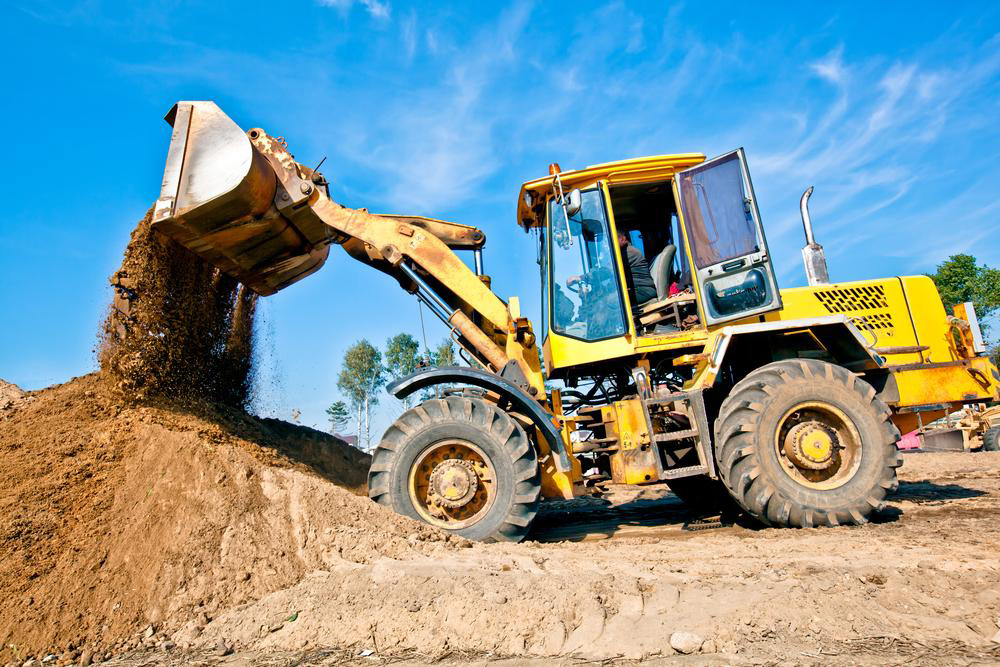
Backhoe loaders are a versatile combination of a tractor, loader, and backhoe. Mounted on wheeled chassis, these machines are especially popular in suburban and small-scale construction projects due to their mobility and multifunctionality. The front part features a loader bucket suitable for loading, lifting, and moving materials, while the rear is equipped with a backhoe for digging trenches, excavating, and loading operations.
Backhoe loaders are designed for ease of use in tight spaces and are capable of performing multiple tasks without the need for additional equipment. The compact size allows them to operate efficiently in confined or urban areas, where larger machinery may be impractical. They are also useful for landscaping, utility installation, and municipal maintenance. Advanced models come with features like hydraulic stabilizers, quick couplers, and various attachments, further expanding their operational capabilities.
Motor Graders: Precision Surface Finishing
Motor graders are specialized machines with an adjustable long blade positioned between the front and rear axles. Their primary function is to create flat, smooth surfaces, making them essential for road construction, airport runways, and foundation preparation. The blade can be angled, rotated, and lifted to level the ground with high precision. Some models feature additional blades or scarifiers for deeper cutting and rough grading.
Modern motor graders are equipped with sophisticated steering and control systems, including GPS and laser-guided technology, allowing for highly accurate grading over large areas. They are also capable of performing complex tasks such as ditching, slope finishing, and minor earthmoving operations. Their ability to prepare surfaces efficiently reduces the time and labor costs associated with construction, ensuring high-quality results for infrastructure projects.
Skid Steer Loaders: Compact and Agile Equipment
Skid steer loaders are small, maneuverable machines equipped with a powered pivot-and-steer system that allows for tight turns and excellent agility. They are typically mounted with a bucket but can accommodate a wide variety of attachments such as forks, augers, and hydraulic breakers. Because of their compact size and versatility, skid steer loaders are favored for work in confined spaces, urban environments, and delicate terrain conditions like mud or snow.
These machines are capable of performing multiple functions including excavation, loading, grading, and demolition. Their quick attachment change systems and optional tracks or wheels make them adaptable to a myriad of tasks and ground conditions. The ability to operate in tight spaces and their minimal soil compaction make skid steer loaders highly valuable in landscaping, construction, and agricultural projects.
Trenchers: Specialized Equipment for Trench Excavation
Trenchers are designed specifically for digging trenches efficiently over long distances, typically for laying pipes, cables, or drainage systems. They come in various sizes, from small walk-behind models suitable for small-scale jobs to large, heavy-duty machines capable of trenching through tough soil and rock. Powered by powerful engines, trenchers utilize a rotating chain or wheel fitted with cutting blades to excavate the ground in a continuous operation.
Due to their specialized function, trenchers require skilled operators to ensure safety and efficiency. Their speed and precision make them a preferred choice for utility companies, contractors, and municipal works. Features like adjustable depth control, tight turning radii, and the ability to operate in challenging terrains enable trenchers to handle complex projects with ease.
Conclusion
Choosing the right earth moving equipment is essential to the success of any construction project. Each type of machinery—excavators, bulldozers, backhoe loaders, motor graders, skid steer loaders, and trenchers—serves a unique purpose, and understanding their capabilities helps in optimizing productivity, safety, and cost-efficiency. Investing in quality equipment and knowledgeable operators can significantly influence project timelines and outcomes, making an informed choice a critical aspect of construction planning.
Whether handling small-scale residential projects or large civil engineering works, the right earth moving machinery ensures the job gets done efficiently and safely. Construction professionals must evaluate site conditions, project scope, and budget constraints when selecting equipment, always aiming for the best combination of performance and reliability to achieve their construction goals successfully.