Comprehensive Guide to Proper Maintenance of Your Front Load Washing Machine
Maintaining your front load washing machine is essential for optimal performance and hygiene. This comprehensive guide covers cleaning techniques, necessary materials, and maintenance tips using natural products like vinegar and baking soda. Regular upkeep prevents mold, odors, and equipment failures, extending your washer's lifespan. Follow these simple steps and best practices to keep your machine fresh, efficient, and eco-friendly. Designed for homeowners seeking practical, sustainable maintenance routines, this guide ensures your laundry routine remains hassle-free and your appliance stays in excellent condition for years to come.
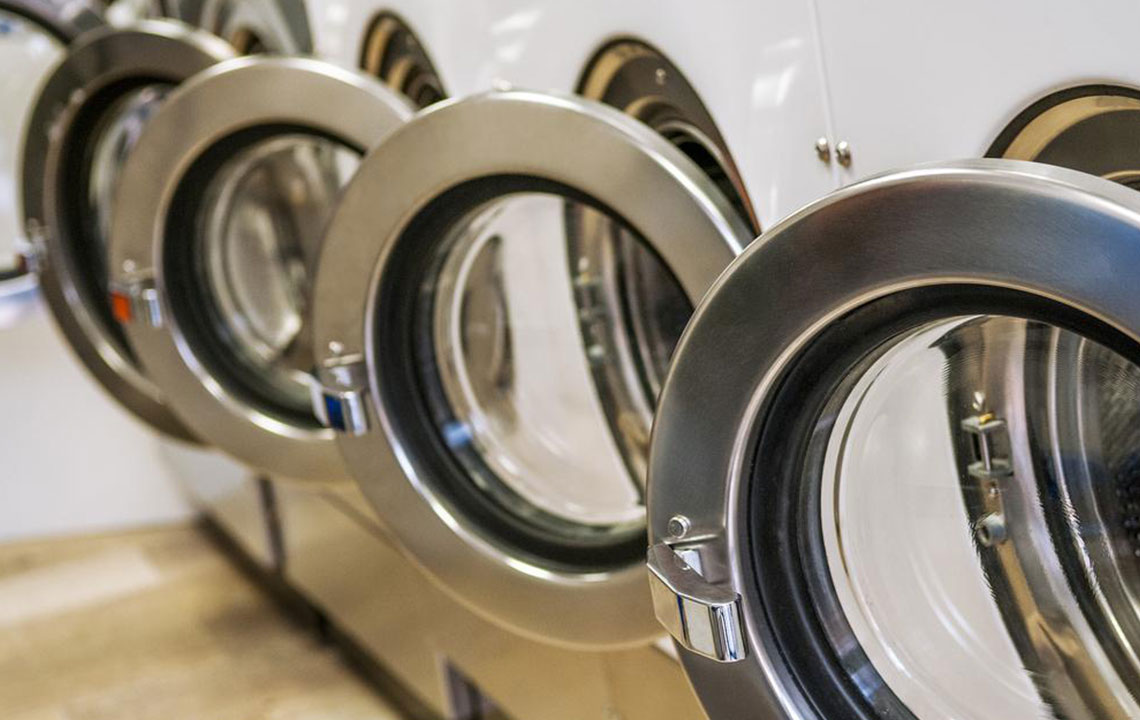
A clean and well-maintained front-loading washing machine is vital for delivering spotless laundry results and ensuring the appliance's longevity. These advanced, energy-efficient machines have transformed laundry routines by consuming less water and detergent, yet they require consistent upkeep to prevent common issues like mold, unpleasant odors, and mechanical inefficiencies. Neglecting regular cleaning can lead to the accumulation of detergent residues, soap scum, and moisture, creating an environment perfect for mold growth and bacteria. In this detailed guide, we will explore the best practices for maintaining your front load washer, the necessary materials, and step-by-step instructions to keep your appliance in optimal condition.
Why Maintenance Is Crucial for Front Load Washing Machines
Unlike top-loading washers, front loaders have a door seal and detergent drawer that are particularly prone to mold and mildew accumulation. Their efficient design requires less water but can trap moisture, creating an environment conducive to unpleasant smells and bacterial growth. Regular maintenance not only enhances the washing performance but also preserves the machine’s mechanical parts, reducing costly repairs in the long run.
Key Materials Needed for Cleaning
White vinegar
Baking soda
Soft scrub pad or microfiber cloth
Clean water
For eco-friendly and chemical-free cleaning, these household items are highly effective. Vinegar acts as a natural disinfectant and odor neutralizer, while baking soda helps in removing residues and stains. Always opt for gentle cleaning tools to avoid damaging the surfaces of your appliance.
Step-by-Step Cleaning Instructions
1. Prepare the Cleaning Solution
Mix half a cup of baking soda with a few cups of water. This mixture will help break down soap scum and residue inside your washer.
2. Clean the Detergent Drawer
Remove the detergent compartment and soak it in warm water mixed with vinegar. Use a soft scrub pad to clean away any buildup or mold. Rinse thoroughly and dry before reinserting.
3. Run a Hot Water Cycle with Vinegar
Pour two cups of white vinegar directly into the drum. Close the door and select the hottest, longest wash cycle. Vinegar will effectively disinfect the drum, remove odors, and dissolve soap residues.
4. Wipe Down the Door Seal and Inner Surfaces
After the cycle completes, use a microfiber cloth or scrub pad dipped in vinegar or plain water to wipe the rubber door seal, gasket, and drum interior. Pay special attention to crevices where mold can develop.
5. Rinse and Dry
Optional: Run a rinse cycle with just water to eliminate any residual vinegar. Dry all surfaces thoroughly with a clean cloth to prevent moisture buildup.
Regular Maintenance Tips
Perform a deep cleaning once a month to prevent mold and odors.
Keep the door slightly ajar after each wash to allow air circulation and moisture evaporation.
Check and clean the filter regularly to ensure proper drainage and functioning.
Use the appropriate amount of detergent to avoid excess residues.
Inspect the door seal periodically for signs of mold or damage.
Additional Tips for Eco-Friendly and Efficient Maintenance
Avoid harsh chemical cleaners to keep your washer environmentally friendly. Natural cleaning agents like vinegar and baking soda are safe and effective. Keeping the door open after use promotes airflow and helps prevent mold growth. Also, consider using high-efficiency, low-sudsing detergents designed for front loaders to minimize residue buildup.
Conclusion: Keep Your Front Load Washer in Top Condition
By incorporating these regular maintenance practices, you can extend the lifespan of your front load washing machine, ensure your laundry comes out fresher and cleaner, and reduce the likelihood of repairs. Cleaning your washer with natural, household ingredients is simple, affordable, and eco-friendly. Remember to schedule monthly deep cleans, examine door seals for mold, and keep the machine dry after each use for the best results. Consistent care not only preserves the efficiency of your appliance but also contributes to a healthier and more sustainable household environment.