Comprehensive Strategies for Creating an Allergy-Resistant Home Environment
Learn effective and comprehensive methods to allergy-proof your home environment. Discover how regular cleaning, proper ventilation, and strategic modifications can significantly reduce indoor allergens, helping allergy sufferers breathe easier and maintain healthier living spaces.
Comprehensive Strategies for Creating an Allergy-Resistant Home Environment
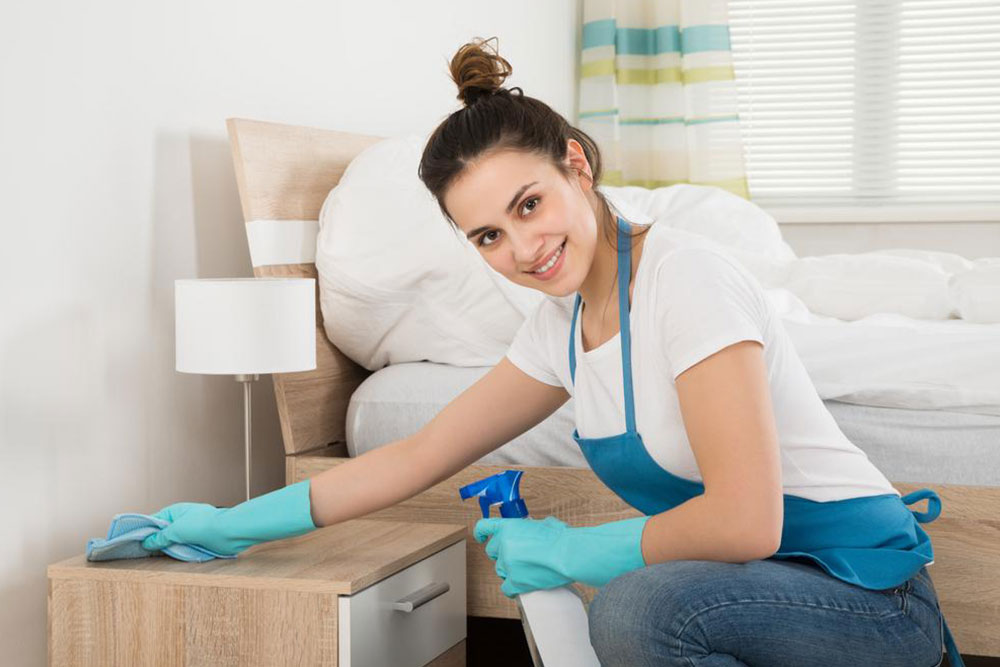
Maintaining a spotless and allergen-free living space is vital for individuals prone to allergies and respiratory conditions. Dust, mold, pet dander, and other airborne particles often accumulate unnoticed, leading to symptoms such as sneezing, congestion, itchy eyes, skin irritations, and even asthma attacks. Implementing a consistent home cleaning routine using specialized equipment significantly reduces these allergens. It’s important to wear protective gear such as masks during cleaning sessions, especially for allergy sufferers. Utilizing vacuum cleaners equipped with HEPA filters ensures airborne particles are effectively captured, preventing them from circulating back into your living space.
Regularly cleaning high-risk areas like kitchens, bathrooms, and living rooms with appropriate disinfectants helps to eliminate mold, bacteria, and viruses, fostering a healthier environment. In particular, kitchens and bathrooms tend to harbor moisture that encourages mold growth, which can exacerbate allergies and respiratory problems. To minimize dust and allergen accumulation, consider replacing traditional carpeting with hard flooring options such as tiles or hardwood floors. Hard surfaces are not only more durable but are also easier to clean and less likely to trap allergens.
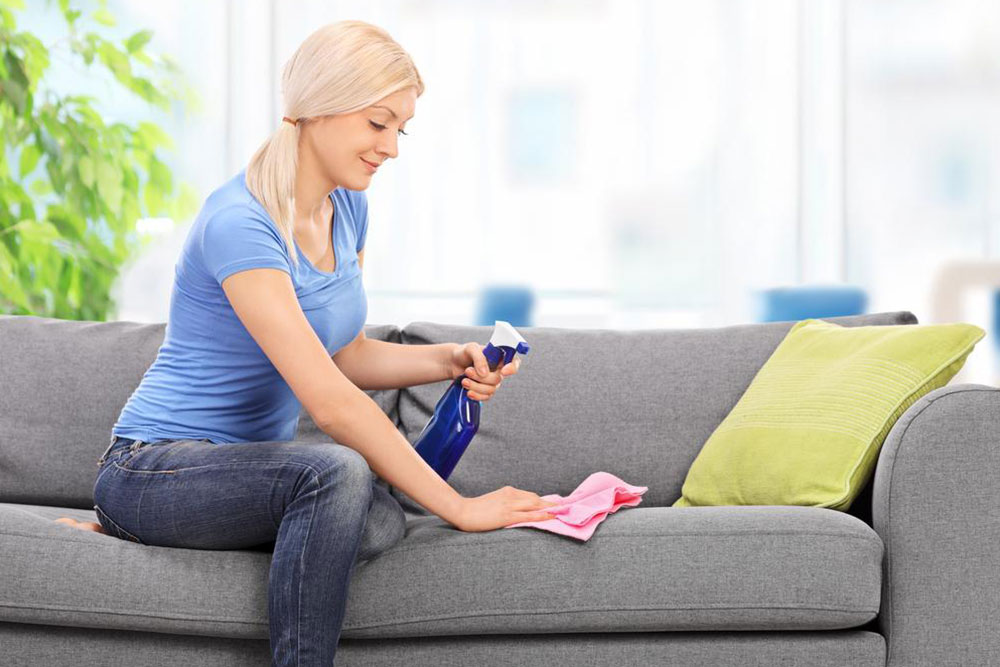
Furthermore, be cautious with household fragrances—many air fresheners and scented cleaning products contain chemicals and strong fragrances that can trigger allergic reactions or sensitivities. Instead, opt for natural alternatives like fresh flowers, essential oils, or homemade cleaning solutions with vinegar and baking soda. Regular washing of bedding and pillowcases is essential to control dust mites, one of the most common indoor allergens. Vacuuming upholstered furniture, curtains, and drapes regularly helps eliminate accumulated dust, pet hair, and dander, which can cause flare-ups for allergy sufferers.
Additional measures to consider include installing high-efficiency air purifiers with HEPA filters in bedrooms and common living areas to improve indoor air quality. These purifiers can substantially reduce airborne allergens, enhancing comfort for sensitive individuals. Managing indoor humidity levels—keeping them below 50%—prevents mold growth and dust mite proliferation. Proper ventilation, using exhaust fans in kitchens and bathrooms, also plays a crucial role in controlling moisture and reducing indoor pollutants.
For those with severe allergies, consulting with an allergist or indoor air quality specialist can provide personalized recommendations and targeted interventions. Sometimes, making structural modifications such as sealing gaps and cracks to prevent outside pollutants from entering, or upgrading HVAC systems with advanced filtration mechanisms, can make a significant difference. The goal is to create a living environment where allergens are minimized, and respiratory health is protected.
Implementing these allergy-proofing strategies not only contributes to a healthier home but also enhances overall quality of life. Whether you’re dealing with mild allergies or severe sensitivities, consistent efforts to reduce indoor allergens can help you breathe easier and enjoy a more comfortable living environment.