Comprehensive Guide to Blisters: Causes, Treatment, and Rapid Healing Strategies
This comprehensive article explores the causes of skin blisters, including friction, temperature extremes, and insect bites. It provides practical, scientifically-backed strategies to promote rapid healing, prevent infections, and reduce discomfort. From proper cleaning and saline soaks to protective measures and when to seek medical advice, this guide equips readers with essential knowledge to manage blisters effectively and ensure quick recovery.
Comprehensive Guide to Blisters: Causes, Treatment, and Rapid Healing Strategies
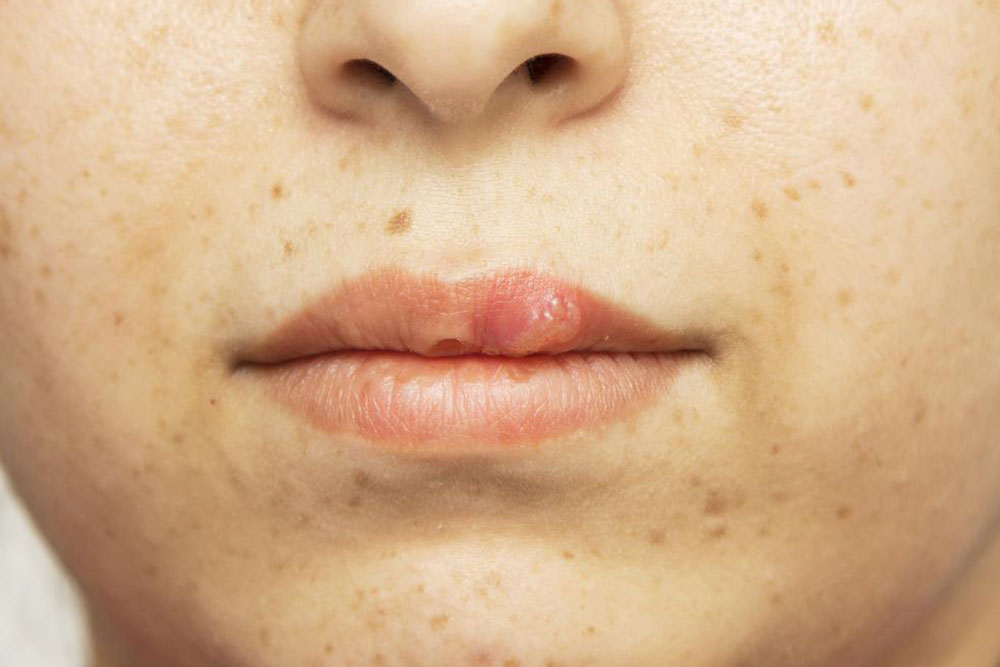
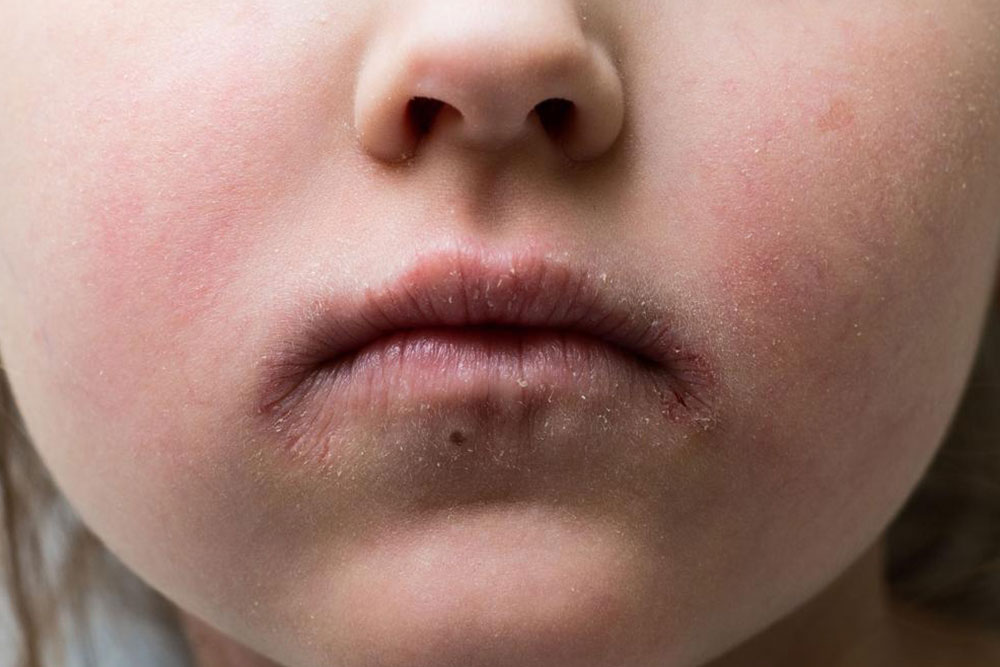
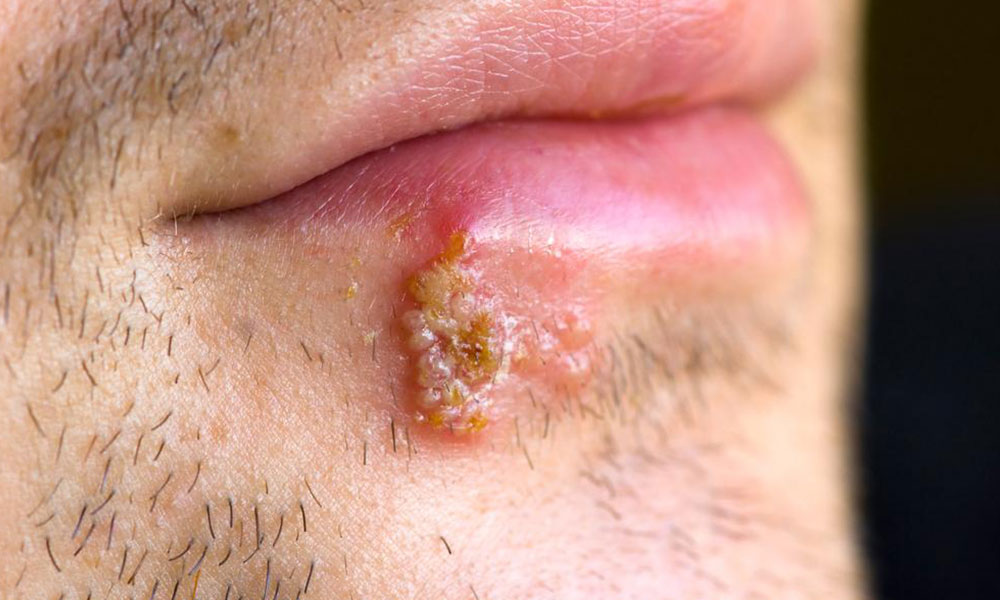
Blisters are small, often painful pockets filled with fluid that develop on the skin’s surface. While they can appear anywhere on the body, they are most common on areas exposed to friction, heat, or insect bites. Understanding the origins of blisters and knowing effective treatment methods are essential for quick recovery and preventing complications. This detailed guide explores the various causes of blisters, how to identify them, and provides practical, evidence-based strategies to promote rapid healing while minimizing discomfort.
Blisters are typically characterized by a raised, fluid-filled sac that can be itchy, tender, or painful. They serve as the skin’s natural response to protect underlying tissues from damage. The body forms blisters as a barrier to prevent infection and facilitate healing, but in some cases, they can cause inconvenience or lead to infections if not cared for properly. Key causes include mechanical friction, temperature extremes, and insect bites, among others. Recognizing these causes is the first step toward effective treatment.
Primary Causes of Blister Formation
Friction Damage – The most common trigger for blister formation is repeated rubbing or friction against the skin. This often occurs when wearing ill-fitting clothing or footwear. For example, tight shoes or new shoes without break-in periods can cause persistent rubbing, leading to blistering on the heels, toes, or soles. Athletes and individuals engaged in manual labor are also prone to friction blisters due to repetitive movements.
Temperature Extremes – Exposure to excessively hot or cold environments can damage the skin’s layers. Contact with hot surfaces, such as stoves, irons, or boiling liquids, can cause thermal burns that result in blisters. Conversely, cold exposure, especially prolonged contact with frozen objects or subzero temperatures, can cause frostbite and blistering as a protective response.
Insect Bites and Stings – Many insects, like fleas, bedbugs, mosquitoes, and certain spiders, can inject venom or saliva that irritates the skin. A bite may cause localized swelling, redness, and clusters of blisters, especially if you are allergic or sensitive. In some cases, insect bites can lead to secondary infections or allergic reactions, requiring medical attention.
Additional Causes and Contributing Factors
Allergic Reactions – Allergens such as certain plants (poison ivy, poison oak), cosmetics, or harsh chemicals can trigger skin reactions that lead to blistering.
Skin Conditions – Chronic skin conditions like dermatitis, eczema, or bullous pemphigoid can cause blister formation as part of ongoing inflammation or immune response.
Health and Medication Factors – Certain medical conditions, including chickenpox, herpes zoster, or autoimmune diseases, can cause blistering. Additionally, some medications might induce skin reactions involving blisters as side effects.
Effective Strategies for Accelerating Blister Healing and Relief
Proper care and prompt treatment are crucial for quick healing and preventing infections. Here are scientifically supported, practical tips to help you manage blisters effectively:
Allow It To Breathe – If the blister is intact, let it remain unbroken to serve as a natural protective barrier. Avoid puncturing or peeling the blister unless it’s causing significant discomfort or is likely to rupture on its own. Keeping the blister dry and exposed to air promotes natural healing, reduces moisture buildup, and minimizes infection risk.
Gentle Cleaning and Infection Prevention – When a blister bursts, it’s essential to clean the area thoroughly with a gentle disinfectant such as iodine or an antiseptic solution. Apply an antibacterial ointment to prevent bacterial colonization. Cover the area with a sterile bandage or dressing to protect it from dirt and further friction. Change dressings regularly, especially if they become wet or soiled.
Saline Soaks – Immersing the affected area in warm saline solution twice daily can help reduce swelling, promote healing, and prevent infection. To prepare, dissolve half a teaspoon of salt in a cup of warm water. Soak the blistered area for 15-20 minutes, then gently pat dry. This simple practice can accelerate recovery and soothe pain.
Reduce Friction and Protect the Area – During healing, minimize activities that cause friction or pressure. Use padding or protective bandages over vulnerable areas, and choose footwear that fits well and reduces rubbing. For insect bites, avoid scratching, which can break the skin and increase infection risk.
Hydration and Nutrition – Proper hydration and a balanced diet rich in vitamins C and E support skin repair. Staying well-hydrated ensures your skin remains resilient and accelerates healing processes.
When to Seek Medical Attention
While most blisters heal naturally with proper care, certain situations warrant professional intervention:
If the blister is large, severely painful, or shows signs of infection (such as increased redness, warmth, pus, or foul odor).
If the blister is caused by burns, chemical exposure, or deep cuts.
If you experience signs of allergic reaction, such as swelling of the face or difficulty breathing.
If you have underlying health conditions like diabetes or a compromised immune system, which can impair healing and increase infection risk.
In summary, understanding the causes of blisters and adopting appropriate treatment strategies can significantly speed up healing, reduce discomfort, and prevent complications. Always prioritize hygiene, avoid unnecessary puncturing, and protect the affected area during recovery. Prompt medical attention is essential if the blister does not improve or exhibits signs of infection. With proper care, most blisters heal effectively, allowing you to restore comfort and skin integrity quickly.