Comprehensive Approaches to Relieve Knee Pain and promote Joint Health
Discover comprehensive strategies to manage and alleviate knee discomfort. This detailed guide covers the anatomy of the knee, common causes of pain, and effective at-home treatments like the PRICE method. Learn about supportive therapies, lifestyle adjustments, and when to seek professional help for persistent symptoms. Suitable for those suffering from knee injuries or chronic conditions, this article offers practical advice to restore joint health and improve mobility for a higher quality of life.
Effective Methods for Managing Knee Discomfort and Ensuring Joint Wellness
Knee pain is a common ailment affecting individuals of all ages, stemming from an array of causes such as injuries, degenerative conditions, or overuse. The intricate structure of the knee joint comprises five key components: bones, ligaments, tendons, cartilage, and bursae. Damage or deterioration in any of these components can result in discomfort, limiting mobility and reducing quality of life. Understanding these structures and their functions is essential for effective management and treatment of knee pain.
Bones The knee joint involves three main bones: the femur (thigh bone), tibia (shin bone), and the patella (kneecap). Proper alignment and health of these bones are vital for joint stability and movement. Damage or fractures can cause significant pain and impede mobility.
Ligaments Ligaments such as the anterior cruciate ligament (ACL), posterior cruciate ligament (PCL), medial collateral ligament (MCL), and lateral collateral ligament (LCL) connect bones and maintain joint stability. Injury to these ligaments, often through sports or accidents, can lead to instability, swelling, and pain.
Tendons Tendons connect muscles to bones, enabling movement. The quadriceps and patellar tendons are particularly important for knee function. Tendon injuries, including tears or inflammation (tendinitis), can cause pain and restrict movement.
Cartilage Cartilage serves as a cushion between bones, absorbing shock and facilitating smooth movement. Degeneration of cartilage, common in osteoarthritis, results in bone-on-bone contact, leading to pain, stiffness, and reduced function.
Bursae Bursae are small fluid-filled sacs that reduce friction between tissues, such as between tendons and bones. Inflammation of bursae, known as bursitis, often leads to swelling and tenderness.
The main causes of knee discomfort are diverse, with osteoarthritis being the most prevalent. Osteoarthritis involves the gradual wearing away of cartilage, often driven by aging, excess weight, injury, or repetitive stress. Other conditions include bursitis, which is inflammation of the bursae; patellofemoral pain syndrome, characterized by pain around the kneecap; and inflammation caused by overuse or acute trauma. Understanding these underlying causes helps guide effective treatment strategies.
Managing knee pain effectively at home involves a combination of methods aimed at reducing inflammation, supporting healing, and preventing further injury. One of the most effective protocols is the PRICE method—Protect, Rest, Ice, Compression, and Elevation—which provides a comprehensive approach to acute injury management. Using knee supports or braces can offer additional stability, reducing the risk of worsening injury during daily activities. Rest is crucial; limiting weight-bearing activities helps prevent further damage. Applying ice packs reduces swelling and minimizes pain effectively. Compression through elastic bandages or sleeves helps control inflammation and provides support, while elevation encourages fluid drainage from the affected area, speeding up recovery.
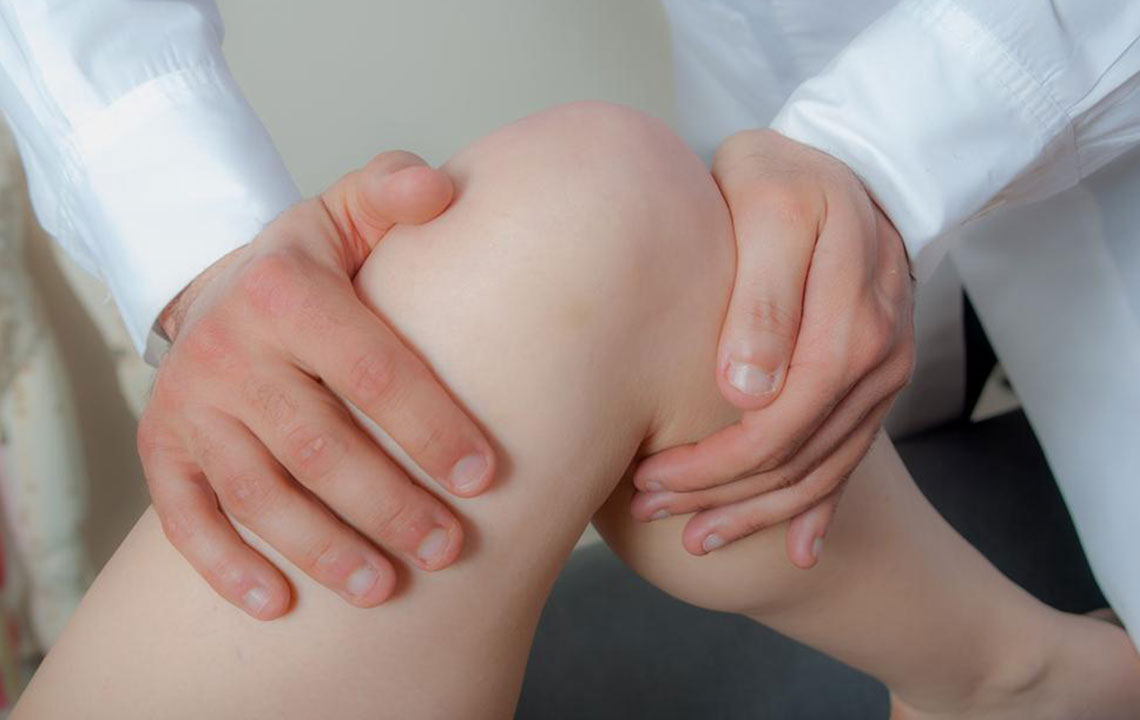
In addition to the PRICE method, other supportive measures can significantly aid knee health. Regular massaging of the knee stimulates blood flow, promotes warmth, and alleviates stiffness. Supportive footwear, especially shoes with proper cushioning and arch support, can reduce stress on the knees during walking or standing. Alternating heat and cold therapy can be beneficial: heat relaxes muscles, while cold reduces inflammation. Ensuring adequate sleep is vital for tissue repair and overall recovery. Maintaining a healthy weight reduces excessive pressure on the knee joints, especially important for individuals with osteoarthritis. For chronic or persistent pain, consulting healthcare professionals is essential. They may recommend diagnostic procedures like X-rays or MRIs to assess joint integrity. Treatment options include physiotherapy to strengthen surrounding muscles, medications like anti-inflammatory drugs, regenerative therapies such as stem cell treatments, or even surgical interventions like arthroscopy or total knee replacement in severe cases.