Are Invisible Hearing Aids the Right Choice for You? A Comprehensive Guide
Discover whether invisible hearing aids are the perfect solution for your hearing needs. Learn about their advantages, limitations, and suitability for different hearing loss types. This comprehensive guide helps you make an informed decision, combining discreetness, natural sound quality, and modern technology to enhance your listening experience. Consult with a professional to find the best fit and enjoy improved hearing while maintaining confidence and style.
Are Invisible Hearing Aids the Right Choice for You? A Comprehensive Guide
Hearing difficulties are a common concern among the aging population, but many seniors hesitate to adopt traditional hearing aids due to social stigma or aesthetic concerns. Fortunately, advancements in hearing technology have led to the development of discreet, virtually invisible hearing devices that cater to those who desire both effectiveness and subtlety. These innovative solutions are becoming increasingly popular, reshaping the way individuals perceive and experience auditory assistance. However, before making a decision, it's essential to understand the benefits, limitations, and suitability of invisible hearing aids for different types of hearing loss. This comprehensive guide aims to explore everything you need to know about discreet hearing devices, helping you determine if they are the right choice for your needs.
Advantages of Invisible Hearing Aids
They Provide Stealth and Discretion
One of the most significant benefits of invisible hearing aids is their ability to remain hidden from view. Crafted to fit snugly within the ear canal, these devices are virtually undetectable to others. This feature is especially appealing to seniors and adults who are concerned about their appearance or feel self-conscious about wearing traditional, more noticeable hearing devices. By choosing discreet hearing aids, users can confidently participate in social interactions without fear of unwanted attention or stigma, allowing them to maintain their confidence and independence.
Deliver a Natural Listening Experience
Because of their placement deep inside the ear, invisible hearing aids provide sound that closely mimics the natural acoustics of hearing. The proximity to the eardrum enhances sound clarity and reduces distortion. Additionally, the absence of wires, tubes, or external components means users experience minimal interference or feedback, resulting in a smoother, more authentic listening experience. This proximity also enhances the user's ability to identify sound direction and spatial localization, making conversations clearer and safer in dynamic environments.
Reduce Occlusion and Ear Fatigue
Traditional larger hearing aids can cause the 'occlusion effect,' where users hear their own voice as muffled or hollow, leading to discomfort or fatigue. Invisible hearing aids cover only a small portion of the ear canal, significantly reducing this occlusion effect. Many users report more natural speech perception and less ear fatigue, encouraging prolonged use and better overall satisfaction with their hearing devices.
Limitations and Considerations of Invisible Hearing Aids
Limited Battery Life and Maintenance
One of the primary drawbacks of compact, invisible hearing aids is their small batteries. Due to their miniature size, these devices rely on tiny batteries that generally require frequent replacements—often weekly or bi-weekly. The need for regular battery changes can be inconvenient, especially for users with mobility or dexterity challenges. Over time, battery costs can accumulate, making maintenance more expensive. Some newer models support rechargeable batteries, which can alleviate this issue, but they may add to the initial purchase cost.
Suitability Depends on Degree and Type of Hearing Loss
Invisible hearing aids are best suited for individuals with mild to moderate hearing impairments. Their small size limits the internal space available for advanced features like high-capacity processing chips, large speakers, or directional microphones required for more severe hearing loss. Additionally, persons with complex or profound hearing loss may find these devices insufficient for their needs. The shape and width of an individual's ear canal can also influence the fit; narrow or irregular canals may prevent proper placement, reducing effectiveness or causing discomfort.
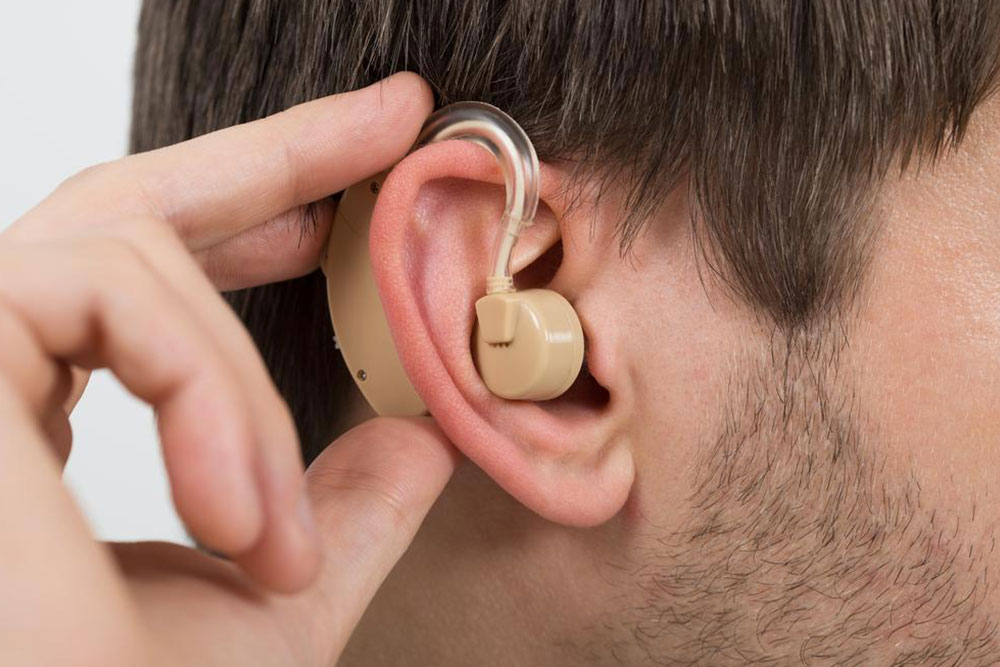
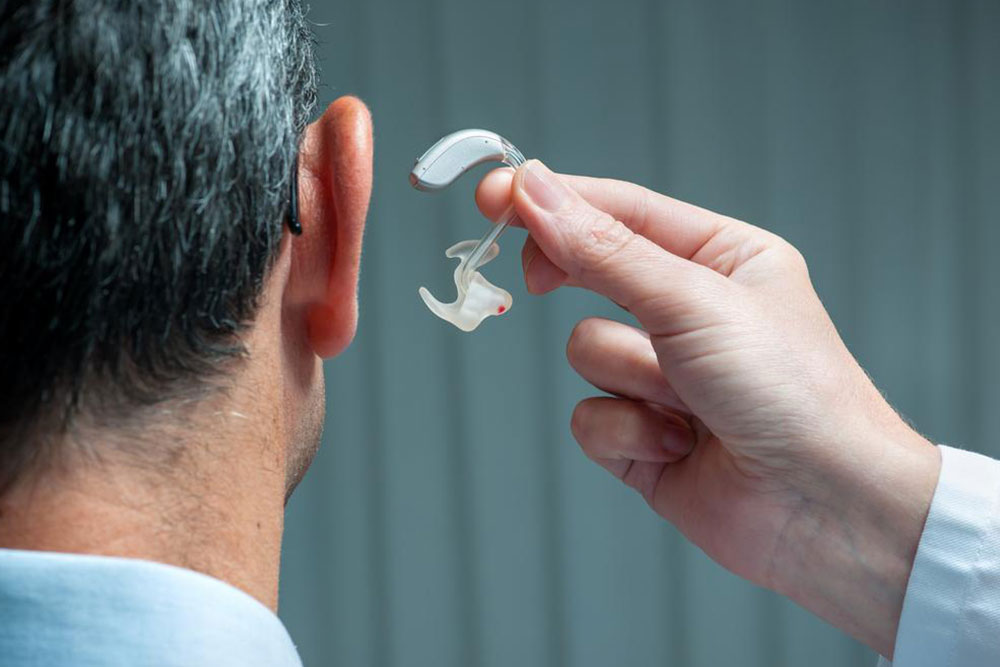
For those with visual impairments or dexterity issues, inserting tiny devices deeply into the ear canal may pose challenges. In such cases, other hearing aid styles, such as behind-the-ear models, may be more appropriate. To ensure you select the most suitable device, consulting a qualified audiologist is essential. They can assess your specific hearing profile, ear anatomy, lifestyle, and preferences to recommend the most effective and comfortable solution.
Final Thoughts: Is an Invisible Hearing Aid Right for You?
Invisible hearing aids offer an excellent blend of aesthetic appeal and functional performance for many users with mild to moderate hearing loss. Their discreet design allows wearers to enjoy better hearing without compromising their appearance or confidence. However, they are not ideal for everyone, especially those with complex hearing needs or specific anatomical considerations. Cost, maintenance, and proper fit are critical factors to consider when choosing invisible devices.
To make an informed decision, visiting an audiologist for a comprehensive evaluation is highly recommended. A professional can help you understand which hearing aid style aligns with your hearing loss severity, lifestyle, and comfort preferences. With ongoing technological innovations, invisible hearing aids are becoming more capable, longer-lasting, and easier to use, making them an increasingly attractive option for those seeking discreet auditory assistance.