Proven Strategies to Effectively Suppress Weeds in Your Garden
Discover effective, eco-friendly strategies to control weeds in your garden. From mulching to landscape fabric, learn how to keep your garden tidy and healthy with minimal effort. Achieve lush, weed-free lawns and flower beds through proven techniques that promote plant growth and garden beauty.
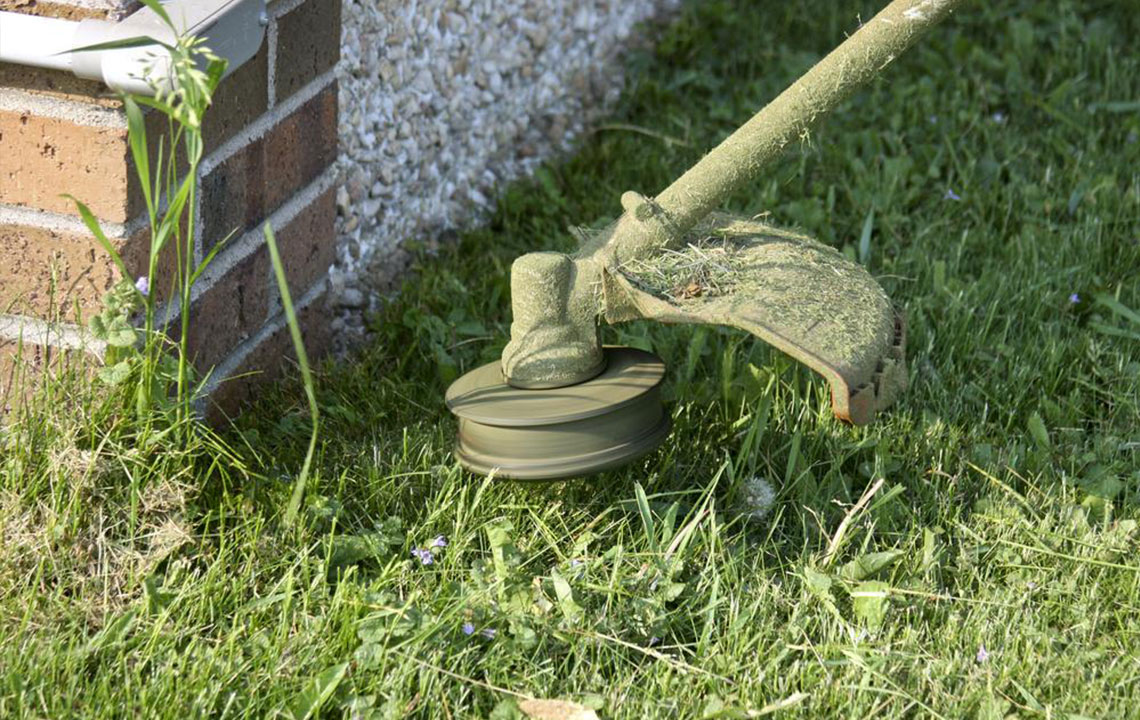
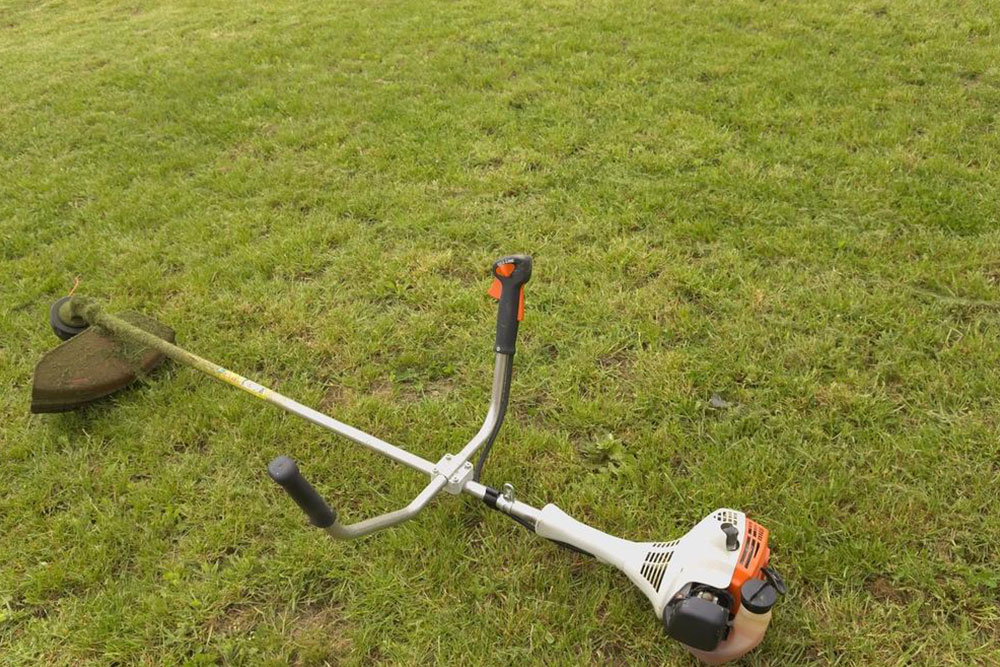
Unwanted weeds pose a persistent challenge for garden enthusiasts and homeowners alike. They compete fiercely with your cultivated plants for essential nutrients, water, and sunlight, often leading to stunted growth and a less attractive garden landscape. Furthermore, weeds can quickly spoil the aesthetic appeal of your lawn, making it look unruly and neglected. Managing these persistent intruders requires consistent effort, which can sometimes seem frustrating and time-consuming. Despite using manual tools such as hoes, trimmers, or hand-pulling, weeds tend to reemerge unless you adopt a more comprehensive and strategic approach. Implementing key weed prevention techniques can significantly reduce their growth, saving you time and effort while ensuring your garden remains lush and vibrant.
Use of Mulch as a Natural Barrier
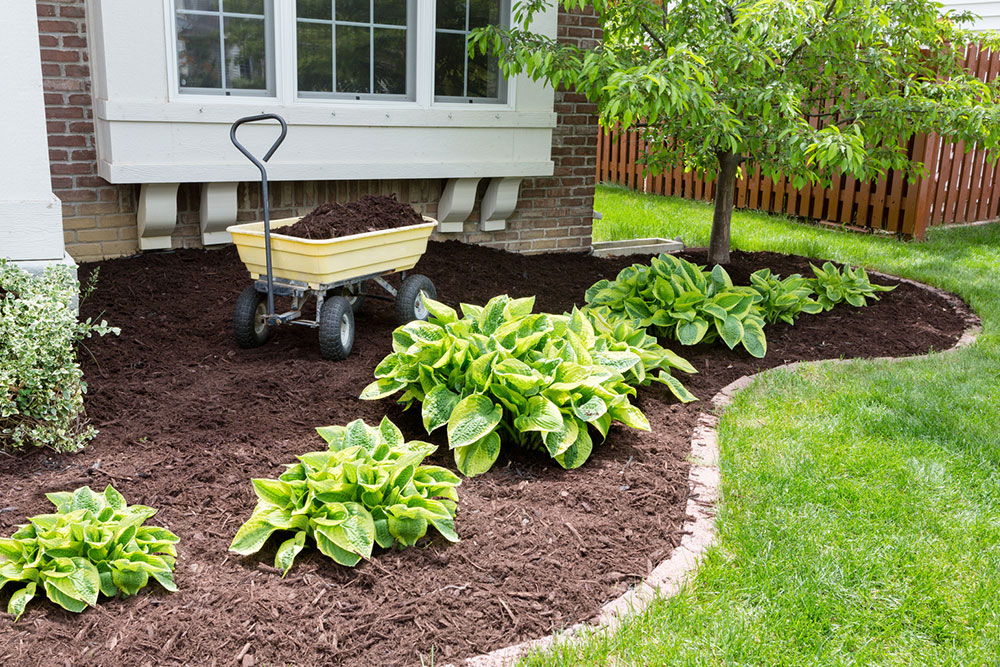
One of the most effective methods for weed control is the application of mulch, which acts as a natural barrier to prevent sunlight from reaching weed seeds stored in the soil. Without sunlight, these seeds are less likely to germinate, effectively suppressing weed growth from the ground up. Mulch also plays a vital role in maintaining soil moisture and temperature stability, creating an optimal environment for your desirable plants. Both organic mulches—such as wood chips, straw, or bark—and inorganic options like landscape fabrics or rubber mulch can serve this purpose. Organic mulches enhance soil fertility as they decompose, enriching your garden, while inorganic options offer long-term durability. Even if some persistent weeds manage to sprout through the mulch, tools like weed trimmers or hand-picking can effectively manage these brief invasions. Implementing mulch is a chemical-free, environmentally friendly method that supports overall garden health.
Enhancing Weed Control with Double Tilling
Double tilling involves turning the soil twice in the same area, a method that effectively disrupts weed seed dormancy and prevents their proliferation. The process begins with a thorough tilling to bring weed seeds to the soil surface, where they are exposed to sunlight and environmental conditions that induce germination. After this initial process, it is important to allow the new weeds to sprout, then remove these emerging plants manually or with a trimmer before they seed further. The second tilling then breaks up the soil again, destroying the young weeds and reducing the seed bank within your soil. This technique not only helps in controlling weeds but also aerates the soil, improves drainage, and prepares a clean, weed-free bed for planting. Regular double tilling, combined with other weed management practices, can significantly diminish weed infestations over time and maintain a tidy, healthful garden.
Utilization of Landscape Fabric for Long-Term Weed Suppression
Landscape fabric is an innovative and highly effective material that forms a permeable barrier between the soil and your plants, preventing weed growth while still allowing water, air, and nutrients to reach the roots. To utilize landscape fabric effectively, you need to clear the area thoroughly and then lay the fabric flat over the prepared soil. Proper cutting of holes for your plants ensures that they are well-supported and able to flourish. Securing the fabric with landscape pins prevents it from shifting or bunching, which could allow weeds to penetrate. When combined with organic mulch layered on top of the fabric, this method enhances weed suppression even further. Landscape fabric is especially useful for garden beds, pathways, or vegetable patches where long-term weed control is desired. It offers a low-maintenance, environmentally friendly alternative to chemical herbicides and manual weeding, contributing to a healthy, sustainable garden environment.
Maintaining a weed-free garden not only preserves the visual appeal of your outdoor space but also supports the health and vitality of your cultivated plants. By integrating these simple yet highly effective techniques—mulching, double tilling, and landscape fabric—gardeners can gain better control over weed growth. These methods reduce the frequency and effort required for manual weed removal, promote healthier plants, and ensure your garden remains lush, attractive, and productive. Consistent application of these practices, combined with regular monitoring, creates an inhospitable environment for weeds, ultimately leading to a more manageable and enjoyable gardening experience.