Essential Fertilizing Strategies for Vibrant Crepe Myrtles and Effective Application Methods
Discover expert fertilization techniques for crepe myrtles to ensure vibrant blooms and lush foliage. Learn about ideal fertilizers, application timing, and maintenance tips for healthy, beautiful trees throughout the seasons. Perfect for gardening enthusiasts looking to enhance their landscape with colorful, resilient crepe myrtles.
Essential Fertilizing Strategies for Vibrant Crepe Myrtles and Effective Application Methods
Creating a stunning, healthy crepe myrtle landscape begins with proper nutrition. These beautiful flowering trees thrive when provided with suitable nutrients through a well-planned fertilization routine. Over years, soil minerals can become depleted, so periodic replenishment is crucial. The right fertilizers supply vital elements like nitrogen, phosphorus, and potassium, directly influencing foliage health, flowering abundance, and resilience against pests and diseases. Consistent fertilization not only boosts plant vigor but also enhances the overall aesthetic appeal of your garden. Achieving lush, vibrant crepe myrtles involves understanding the best fertilizers to use, how to apply them correctly, and adjusting your approach according to plant needs and seasonal changes.
Choosing the Best Fertilizers for Crepe Myrtles
Balanced Fertilizers with NPK Ratios: Products like 10-10-10 or 14-14-14 provide equal parts nitrogen, phosphorus, and potassium, fostering comprehensive growth, strong root systems, and healthy foliage.
High-Nitrogen Fertilizers: Formulas such as 16-4-8 or 20-10-10 are ideal for encouraging lush, green foliage, especially during active growth periods.
Phosphorus-Rich Formulas: Fertilizers like 5-10-5 are excellent for promoting flowering and root development, crucial during bloom periods and root establishment phases.
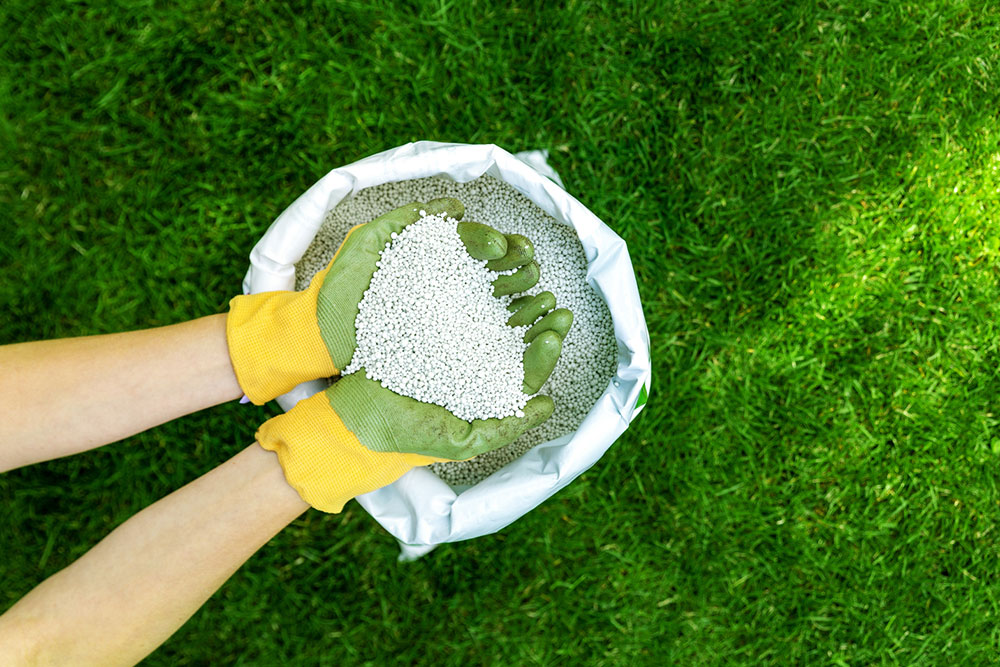
Slow-Release Fertilizers: These options deliver nutrients gradually, reducing the need for frequent applications and ensuring a consistent nutrient supply over time.
Organic Fertilizer Choices: Compost, manure, fish emulsion, and other natural options improve soil health, enhance soil microbial activity, and are environmentally friendly. They are best applied in early spring or fall for sustainable growth.
When selecting a fertilizer, consider your crepe myrtle’s age, size, and existing soil conditions. For young or recently planted trees, balanced fertilizers like 10-10-10 support healthy root establishment and overall growth. During active growth, high-nitrogen formulas will foster lush foliage. For flowering plants, phosphorus-rich formulations can boost bloom production and improve flower color vibrancy. Organic fertilizers are excellent for maintaining long-term soil fertility and plant health, integrating well with natural gardening practices.
Proper Fertilizer Application Techniques
Timing: The optimal time to fertilize crepe myrtles is in early spring, just as new growth begins. A second application in late spring or early summer helps sustain vigor through the blooming season. Avoid fertilizing late in the season to prevent excessive late growth that might be damaged by frost.
Conduct Soil Testing: Before fertilization, perform a soil test to determine nutrient deficiencies and pH levels. This helps tailor fertilizer choices to the specific needs of your soil and plant, ensuring balanced nutrition and avoiding over-fertilization.
Application Frequency: Follow manufacturer instructions and consider the size and age of your tree. Typically, fertilizing every 6-8 weeks during the growing season is sufficient. Overapplication can lead to nutrient runoff or root damage.
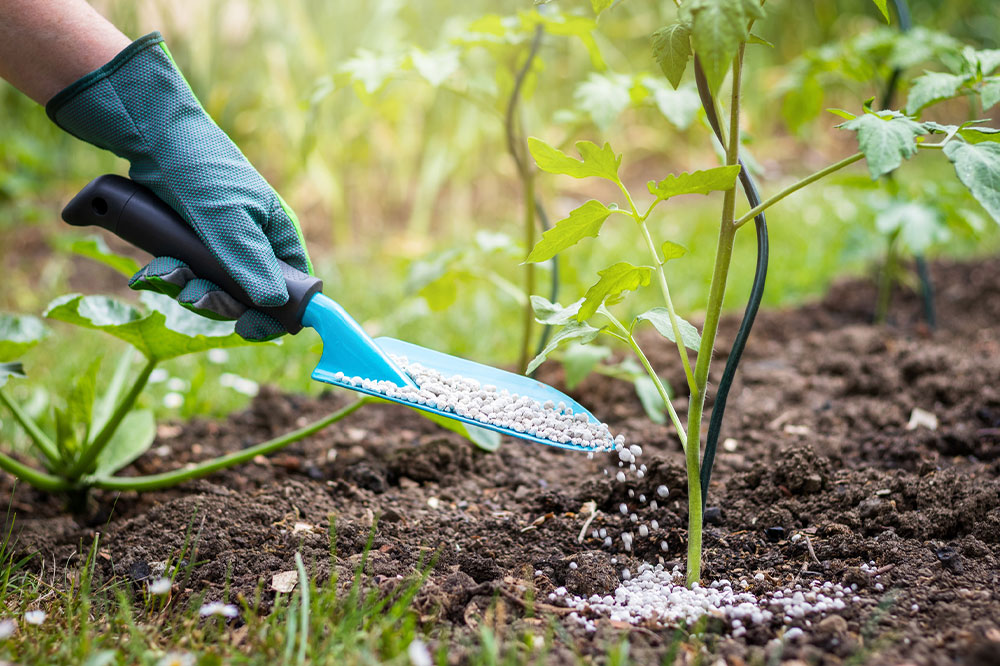
Even Distribution: Spread the fertilizer evenly around the drip line — the area directly beneath the outermost branches — avoiding contact with the trunk to prevent potential damage and ensure uniform nutrient absorption.
Watering: After applying fertilizer, water thoroughly to help nutrients penetrate the soil and root zone. Proper watering enhances uptake and prevents fertilizer scorch or runoff.
Mulching: Apply a layer of organic mulch such as bark chips or wood mulch around the base of the tree. Mulching conserves moisture, regulates soil temperature, and gradually adds organic matter to the soil, enriching nutrient availability.
Pruning and Maintenance: Conduct pruning in late winter or early spring, removing dead or crossing branches to improve light penetration and air circulation. Good airflow reduces pest and disease issues and promotes better nutrient use.
Following these comprehensive fertilization strategies and applying nutrients accurately will result in robust growth, abundant and vibrant blooms, and an overall healthier appearance for your crepe myrtle trees. Regular observation and response to your plant’s specific needs will help maintain their beauty year after year. Remember, consistency and proper timing are key to nurturing these stunning trees into their fullest potential.