Comprehensive Guide to Selecting and Upgrading Dishwashers in 2018
This comprehensive guide offers valuable insights into selecting and upgrading dishwashers in 2018, covering their working principles, key features, and top models for various needs. Learn how to choose a dishwasher that fits your space, budget, and household requirements, ensuring clean, hygienic dishes with efficiency and ease.
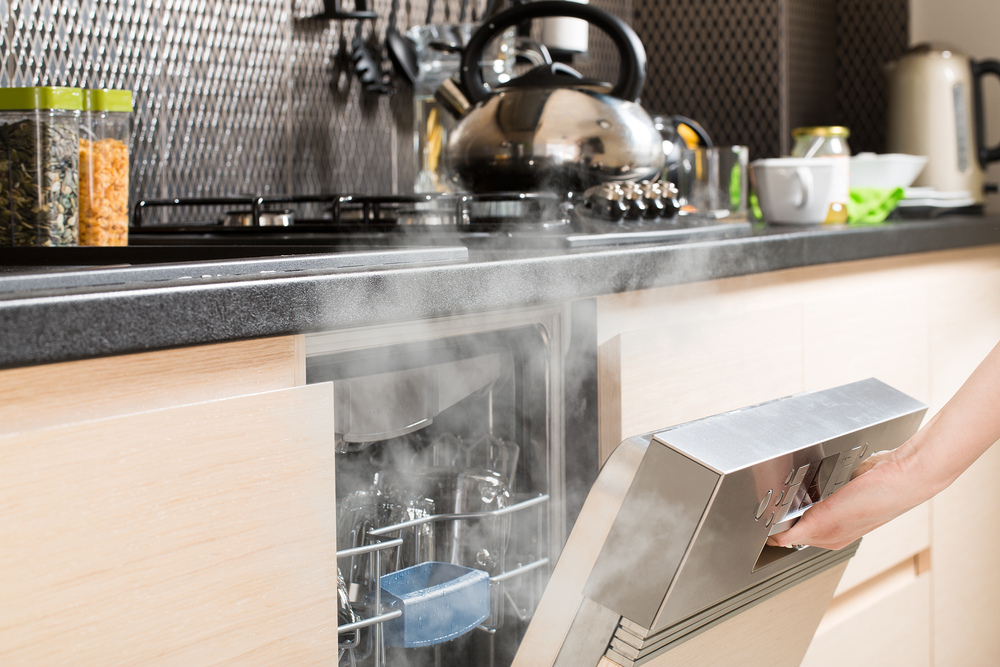
Comprehensive Guide to Selecting and Upgrading Dishwashers in 2018
A dishwasher stands as an essential household appliance that streamlines the process of cleaning dishes and utensils. Moving away from traditional manual washing, which involves time-consuming scrubbing and rinsing, modern dishwashers utilize advanced technology to deliver efficient and hygienic cleaning results. Typically operating with hot water temperatures ranging from 45°C to 75°C, these appliances sanitize and remove residues effortlessly. The temperature can often be adjusted to accommodate delicate items or specific cleaning needs, ensuring versatility and care for various types of dishware.
Understanding How Dishwashers Function
The fundamental technology behind dishwashers revolves around automation. They are engineered to handle the entire cleaning cycle with minimal user intervention. The process begins with water mixed with detergent being pumped through strategically placed spray arms. These arms rotate and disperse water at high pressure, targeting every corner to dislodge food particles, grease, and dirt. After the main wash cycle completes, the dirty water is drained, and fresh hot water rinses the dishes thoroughly to eliminate lingering residues. Many modern dishwashers incorporate rinse-aid chemicals to improve drying efficiency by reducing surface tension, preventing water spots, and enhancing the overall cleanliness. The drying phase can utilize various methods such as condensation drying, heated drying, or fan-assisted systems to ensure dishes come out spotless and ready for immediate use.
When selecting a dishwasher for home use, it’s important to consider installation space, capacity, and features. Residential dishwashers are typically designed to fit into standard kitchen cabinetry, with widths ranging from 18 to 24 inches. The standard models are suitable for most households, but those with larger families might prefer tall tub models, which provide approximately 20% more capacity and are ideal for handling larger loads. In commercial settings such as restaurants, hotels, and catering services, dishwashers operate under more demanding conditions, including higher temperatures of 65°C to 71°C, and often include booster heaters or chemical sanitizers to ensure maximum hygiene. Despite the differences, most modern commercial and residential dishwashers are built for efficiency, balancing power and water conservation to deliver sparkling results with minimal resource usage.
For consumers considering upgrading or purchasing a new dishwasher, several notable models stand out in 2018 based on performance, features, and value:
KitchenAid Architect Series II Top Control Dishwasher - Known for its quiet operation and energy efficiency, equipped with a self-cleaning filter system that minimizes pre-rinsing efforts, making it suitable for busy households eager for reliability and ease of use.
Maytag Front Control Dishwasher - Features a powerful motor combined with a stainless steel chopper to break down food debris effectively, guaranteeing thorough cleaning even the toughest residues.
Whirlpool Tall Tub Dishwasher - Offers an expanded third rack, providing about 37% more loading capacity, perfect for larger families, and combines spaciousness with essential usability features.
Frigidaire 55-Decibel Built-In Dishwasher - Designed for compact kitchens, fitting into spaces as narrow as 18 inches, and comes with six different wash cycles to handle everything from delicate china to everyday dishes efficiently.
Choosing the appropriate dishwasher depends heavily on household needs, available kitchen space, and budget. It’s advisable to measure your space precisely to ensure a proper fit before making a purchase. Price ranges vary significantly, generally between $400 and $1,500, reflecting differences in features, capacity, and brand reputation. Investing in a reliable, energy-efficient model can significantly simplify your dishwashing chores, reduce water and energy bills, and enhance your kitchen’s overall functionality.