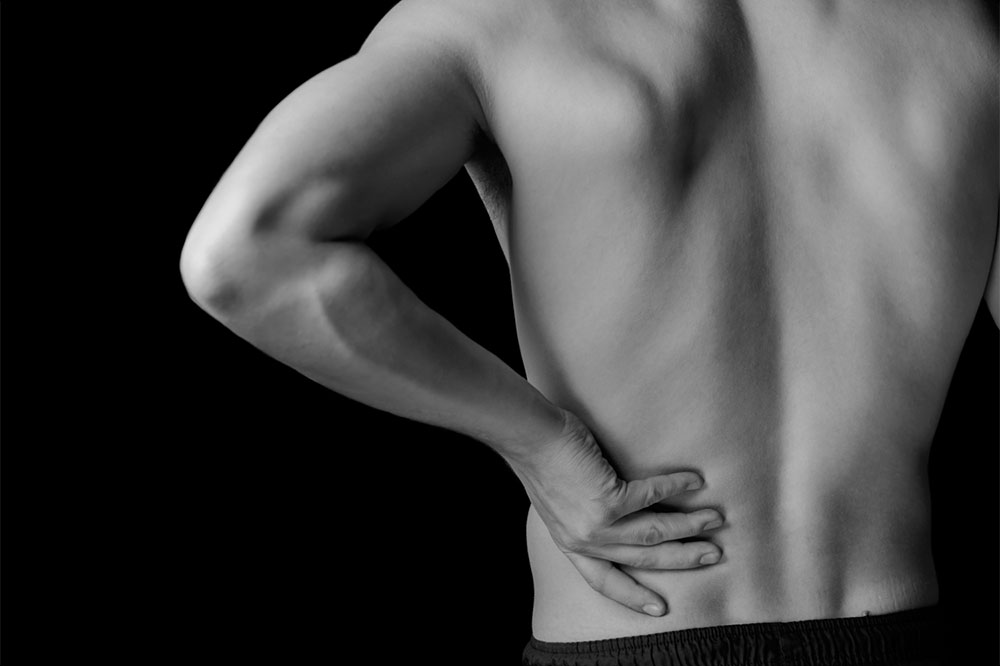
Comprehensive Guide to Right-Side Back Pain: Causes, Symptoms, and Effective Remedies
Discover comprehensive insights into right-side back pain, including common causes like muscle strain, herniated discs, and gallbladder issues. Learn effective remedies such as ice and heat therapy, activity adjustments, and when to seek medical help. This guide helps differentiate minor injuries from serious conditions, ensuring proper care for lasting relief and back health.

Complete Understanding of Right-Side Back Discomfort: Causes, Symptoms, and Proven Treatments
Experiencing pain on the right side of your back can be unsettling and often disrupts daily activities. While many cases of right-sided back pain are due to muscle strain or minor injuries, it's essential to recognize that serious health conditions can also manifest as persistent or severe discomfort in this region. Proper diagnosis is vital to ensure effective treatment and long-term relief. This in-depth guide aims to help you understand the common causes of right-side back pain, differentiate between minor and serious issues, and explore proven remedies to alleviate the discomfort.
Types of right-side back pain:
Sudden Onset Back Pain:
This type of back pain occurs unexpectedly and can be described as sharp, stabbing, or intense. It is often linked to sudden movements, traumatic injury, or overexertion. Such pains typically require immediate attention if severe or accompanied by other symptoms such as numbness or weakness.
Chronic or Persistent Back Discomfort:
This form of back pain persists for weeks, months, or even years. The sensation is often dull, aching, or throbbing, and may gradually worsen over time if left untreated. Chronic back discomfort can significantly impact quality of life, echoing underlying health issues that need to be addressed.
Common Causes of Right-Side Back Pain
Urinary Tract Infections (UTIs): Infections affecting the bladder, kidneys, or urethra are notable causes of right-sided back pain. These infections often present with symptoms like burning during urination, increased frequency of urination, fatigue, fever, and in some cases, decreased urine output. Kidney infections, in particular, can cause severe flank pain on the right side often radiating to the back.
Scapular Fractures and Shoulder Injuries: Trauma from falls, sports injuries, or accidents can lead to fractures or injuries in the scapula (shoulder blade). Symptoms include localized pain, swelling, limited mobility of the arm or shoulder, and tenderness around the shoulder area.
Lumbar Muscle Strain: Overexertion, improper lifting, or sudden movements can strain the lumbar muscles. This leads to sharp pain localized in the lower back, often accompanied by swelling, bruising, and limited flexibility or ability to bend.
Herniated Disc: Degenerative changes or injury can cause intervertebral discs to protrude or rupture, pressing against nerves. This condition results in radiating pain, numbness, tingling sensations, and sometimes weakness in the lower limbs. It is a significant cause of persistent back pain and requires medical attention.
Poor Posture: Maintaining incorrect posture during prolonged periods—especially when sitting at a computer or desk—can cause undue strain on the spine. Over time, this may lead to muscle imbalances and chronic back discomfort.
Gallbladder Disorders: Conditions like gallstones or inflammation of the gallbladder can cause referred pain radiating to the middle right back and into the shoulder area. Symptoms may include nausea, vomiting, and bloating alongside back pain.
Sciatica: Compression or irritation of the sciatic nerve by herniated discs or spinal stenosis causes pain that radiates from the lower back down the back of the leg. Patients often experience numbness, tingling, and weakness, making walking difficult.
Effective Strategies to Manage and Alleviate Right-Side Back Pain
Application of Ice: Applying an ice pack to the affected area during the initial 48 hours reduces inflammation, swelling, and eases pain. Use ice in 15-20 minute intervals, several times a day, especially after injury.
Activity Adjustment: Avoid activities that exacerbate pain, but do not remain completely inactive. Gentle movement fosters blood flow and promotes healing. Rest should be balanced with light activity to prevent stiffness.
Use of Heat Therapy: After the first few days, applying warm compresses or taking warm baths helps relax tense muscles, increase circulation, and facilitate recovery. Heating pads should be used with caution to prevent burns.
Engagement in Mild Exercise: Light activities such as walking, stretching routines, yoga, or gardening can improve flexibility, strengthen supporting muscles, and help alleviate discomfort. Always listen to your body and stop if pain worsens.
Persistent or worsening back pain warrants medical evaluation. If symptoms such as numbness, weakness, fever, or loss of bladder or bowel control occur, seek immediate healthcare assistance for accurate diagnosis and tailored treatment plans. Proper posture, regular exercise, and timely treatment are key to maintaining a healthy back and preventing future issues.