Complete Guide to Shingles Treatment, Symptoms, and Management Strategies
This comprehensive guide offers detailed insights into shingles, covering symptoms, early diagnosis, effective treatment options including antiviral drugs and pain management, along with self-care tips and work guidelines. It emphasizes the importance of early intervention to reduce complications and accelerate recovery, making it a crucial resource for anyone experiencing or caring for someone with shingles.

Understanding Shingles: Recognizing Symptoms and Exploring Effective Treatment Options
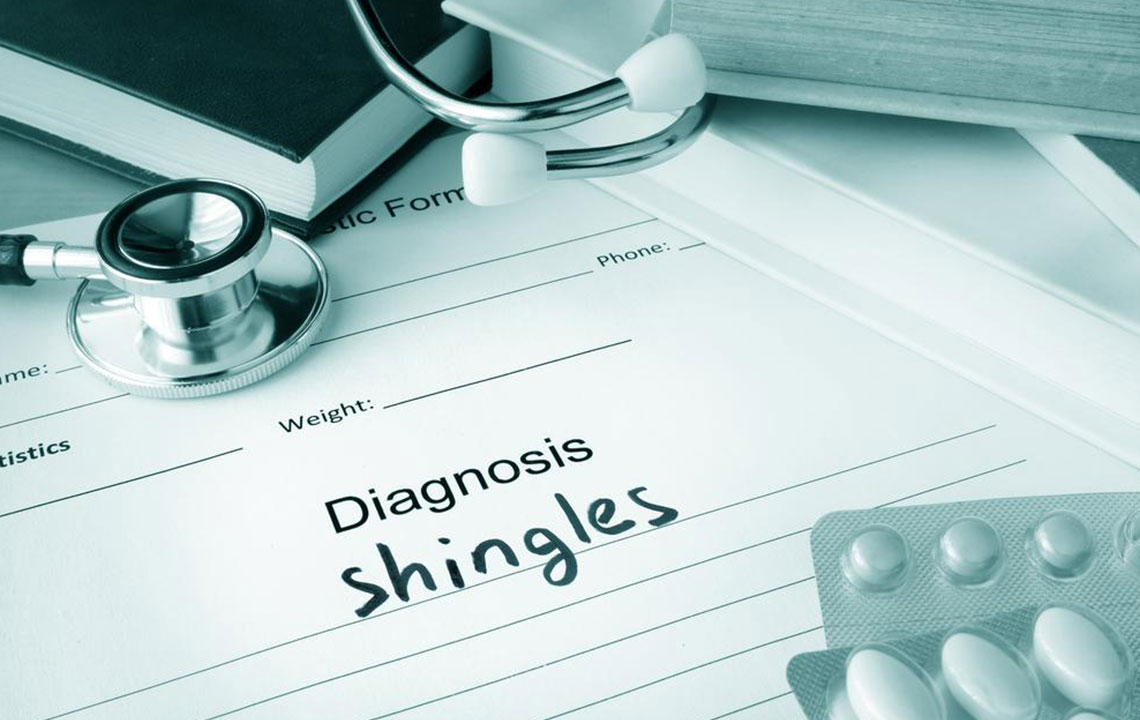
Shingles, medically known as herpes zoster, is a painful viral infection caused by the reactivation of the varicella zoster virus, the same virus responsible for chickenpox. While many associate it with childhood illness, shingles can occur at any age, especially in older adults or those with weakened immune systems. Recognizing the early signs of shingles and understanding the various treatment options are crucial for minimizing discomfort, speeding up recovery, and preventing serious complications.
Identifying Shingles Symptoms
Shingles typically presents as a painful rash that develops on one side of the body or face. The initial symptoms often include burning, tingling, or numbness in a specific area, followed by the appearance of clusters of blisters that evolve over time. These blisters usually form a band or strip, often encircling or appearing along the nerve pathways. Other common symptoms include sensitivity to touch, fever, headache, fatigue, and general malaise. Recognizing these signs early is vital for prompt intervention.
The Significance of Early Diagnosis and Treatment
Early diagnosis significantly improves the prognosis of shingles. Initiating treatment within 72 hours of rash onset can markedly reduce the severity of symptoms, lessen the risk of postherpetic neuralgia—a lingering nerve pain that can persist long after the rash disappears—and prevent other complications. Healthcare professionals usually diagnose shingles based on symptom history, physical examination, and sometimes laboratory tests such as skin scrapings, viral cultures, or PCR testing to confirm the presence of the virus.
Self-Care and Home Remedies for Managing Shingles
Proper self-care practices can ease symptoms and promote healing. Keeping the affected area clean and dry helps prevent secondary bacterial infections. Wearing loose, comfortable clothing reduces irritation and friction on the rash. Applying non-stick dressings or calamine lotion can soothe itching and discomfort. Cool compresses applied to the rash for up to 20 minutes several times a day can alleviate pain, reduce oozing blisters, and enhance comfort. Maintaining good hygiene, avoiding scratching, and staying hydrated are fundamental steps in managing shingles at home.
Work and School Attendance Recommendations
Most individuals with shingles can continue their daily activities unless they have active, oozing blisters that pose a risk of transmitting the virus. Those with open blisters or severe symptoms should stay home to prevent spreading the infection to others, especially those who are immunocompromised or unvaccinated. It’s advisable to remain isolated until the rash crusts over fully, typically within 7 to 10 days, and the area is no longer contagious.
Medication Options for Shingles Treatment
Antiviral medications are the cornerstone of shingles treatment. Drugs such as Famciclovir, Valaciclovir, and Acyclovir inhibit the replication of the virus, diminishing the severity and duration of the outbreak. For optimal effectiveness, these medications should be started within 72 hours of rash appearance. They help reduce the pain, speed up healing, and lower the risk of postherpetic neuralgia. Healthcare providers tailor dosages based on the patient's age, health status, and severity of symptoms.
Pain Relief and Symptom Management
Mild pain can often be managed with over-the-counter analgesics like ibuprofen or acetaminophen. For more severe nerve pain, physicians might prescribe opioids such as codeine or morphine, which require careful monitoring. Additionally, nerve pain specific treatments like antidepressants (e.g., tricyclic antidepressants) or anticonvulsants (e.g., Gabapentin, Pregabalin) are effective options. In some cases, corticosteroid injections may be utilized to provide rapid relief of intense symptoms. Combining these approaches can significantly enhance comfort and speed recovery, which typically lasts from 2 to 6 weeks. Proper management not only alleviates pain but also helps prevent long-term complications such as postherpetic neuralgia—a chronic nerve pain that can persist for months or even years in some cases. Incorporating both medication and lifestyle adjustments forms the foundation of comprehensive shingles management.