Comprehensive Guide to Synthetic Turf: Benefits, Costs, and Maintenance Tips
This comprehensive guide explores the benefits, costs, and maintenance tips for synthetic turf. It covers various types of artificial grass, their advantages, installation considerations, and upkeep strategies to help homeowners and businesses make informed decisions. Learn how synthetic turf can enhance landscapes, reduce maintenance efforts, and withstand diverse weather conditions, ensuring long-lasting beauty and functionality.
Comprehensive Guide to Synthetic Turf: Benefits, Costs, and Maintenance Tips
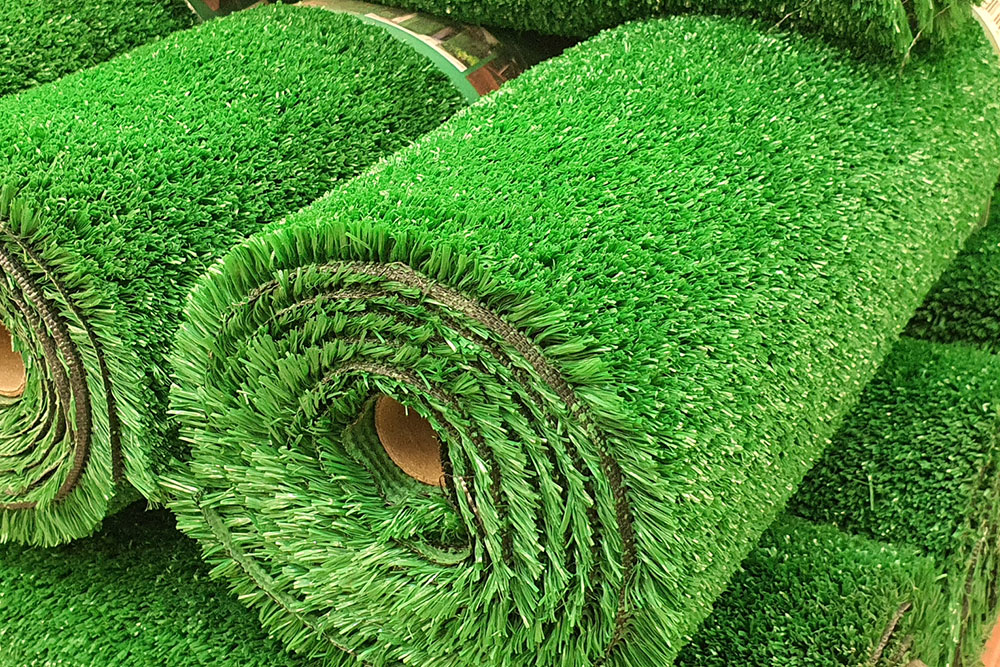
In recent years, advancements in modern technology have revolutionized the production of artificial grass, allowing for highly realistic and natural-looking synthetic turf. Designed to mimic the appearance and tactile experience of authentic grass, modern synthetic turf is crafted from high-quality synthetic materials that deliver durability, versatility, and low maintenance. This innovative landscaping solution has gained widespread popularity across residential, commercial, and recreational spaces due to its capability to withstand various weather conditions and its minimal upkeep requirements.
Artificial turf is especially beneficial in areas where natural grass struggles to thrive due to climate, soil quality, or usage intensity. It presents a durable, attractive alternative to natural lawns, making it suitable for patios, gardens, sports fields, playgrounds, and even indoor areas. Whether for aesthetic enhancement or functional recreational purposes, synthetic turf offers a compelling balance of beauty, practicality, and longevity.
Understanding Different Types of Synthetic Turf
There are several types of synthetic turf, each tailored for specific applications based on the primary material used, durability needs, and budget considerations. Here’s an in-depth look into the most common varieties:
Nylon Synthetic Turf: As one of the strongest and most resilient options, nylon turf is widely favored for its exceptional durability. Its high tensile strength allows it to withstand heavy foot traffic, pressure, and mechanical stress without deforming or losing its shape. Nylon fibers resist deformation caused by temperature fluctuations and maintain their vibrant appearance over many years. This type of turf is ideal for commercial landscapes, sports fields, and areas where longevity and consistent performance are essential.
Polyethylene Synthetic Turf: Known for its soft texture and realistic appearance, polyethylene turf is preferred by homeowners and recreational facilities alike. Its non-porous surface prevents liquids from seeping in, making it pet-friendly by reducing odors and absorption issues. Available in a variety of colors, pile heights, and thicknesses, polyethylene turf offers flexibility for aesthetic customization. The installations are straightforward, and this type of turf is frequently used in soccer fields, baseball stadiums, and backyard landscaping due to its comfortable feel underfoot and ease of maintenance.
Polypropylene Synthetic Turf: Less common than nylon and polyethylene options, polypropylene turf is suited for small-scale residential projects or temporary setups. Although it has a lower durability profile and a higher cost per unit, polypropylene turf is lightweight and available in many vibrant colors, making it suitable for decorative purposes or indoor displays. Its limitations include reduced resilience under heavy use and exposure to harsh weather, but its affordability makes it an option for specific short-term or decorative needs.
Advantages of Installing Synthetic Turf
Choosing synthetic turf over natural grass comes with numerous advantages, many of which contribute to its increasing popularity in both residential and commercial landscapes. Here are some key benefits to consider:
Climate Resilience: Synthetic turf is engineered to endure extreme weather conditions, including intense heat, frost, and heavy rainfall. Its resistance to temperature fluctuations ensures that it remains visually appealing and functional year-round, regardless of climate challenges.
Efficient Water Drainage: Modern artificial grasses are designed with perforations and infill systems that facilitate effective water drainage. This prevents waterlogging, puddling, and mud formation, ensuring a clean, safe, and usable surface even after heavy rains, especially in driveways and sports fields.
Fire Resistance: Synthetic turf is manufactured from nonflammable materials that substantially reduce the risk of fires igniting on the surface, making it a safer choice for areas prone to wildfire or high heat conditions.
Stain and Odor Resistance: Many varieties of synthetic grass are treated or inherently resistant to stains. Pet owners particularly benefit from turf that is easy to clean, doesn’t absorb liquids, and resists odors, thereby maintaining a fresh appearance over time.
Versatility and Customization: Synthetic turf is adaptable to various specific needs, including compliance with accessibility standards (such as ADA-compliant playground grass), creating pet-friendly yards, or decorative lawn installations. Its customizable options in color, pile height, and infill materials make it suitable for diverse applications.
Cost Analysis of Synthetic Turf
Pricing for synthetic turf varies depending on factors like material quality, area size, installation complexity, and brand reputation. Understanding these elements is crucial to making an informed investment. Here’s a comprehensive overview of typical costs per square foot based on material type:
Polypropylene Turf: As the most budget-friendly option, polypropylene turf is often used for indoor decoration, exhibitions, or temporary installations. Its cost ranges from approximately $1.90 to $6.75 per square foot, making it an economical choice for small projects or decorative accents.
Polyethylene Turf: Slightly more expensive but offering a superior realistic appearance and softer texture, polyethylene turf costs roughly $2.55 to $3.85 per square foot. Its affordability with durability makes it a popular choice for residential lawns, pet yards, and sports fields.
Nylon Turf: Known for exceptional toughness and longevity, nylon turf is priced around $5.05 to $5.83 per square foot. This cost accounts for its premium durability, making it ideal for high-traffic outdoor areas, commercial landscapes, and professional sports facilities.
The total expenditure also depends on installation costs, which can be influenced by factors such as site preparation, sub-base quality, and complexity of the design. Additional expenses may include infill material, edging, and ongoing maintenance supplies.
Installation and Maintenance Tips for Synthetic Turf
Proper installation and routine care are essential to maximize the lifespan and appearance of your synthetic turf. Here are important considerations and tips to ensure your investment remains in optimal condition:
Careful Material Selection: When choosing synthetic turf, pay close attention to the type of yarn, pile height, density, infill material, backing, and sub-base compatibility. Conduct thorough research or consult with professionals to determine the best fit for your specific needs.
Obtaining Multiple Quotes: Comparing quotes from reputable installers helps ensure competitive pricing and quality workmanship. Always verify credentials, reviews, and previous work samples before proceeding.
Post-Installation Maintenance: Regular upkeep includes removing debris, leaves, and dirt to prevent buildup. For spills or stains, promptly clean with mild soap solutions to avoid permanent damage. Use gentle brushes or rakes to prevent fiber damage, and employ leaf blowers or specific grooming tools to maintain a fresh, upright appearance.
Cleaning Pet Waste: Pet owners should allow waste to dry before removal to prevent residue spreading. Rinse the area with cool water and use enzymatic cleaners if necessary to neutralize odors. Avoid harsh chemicals that could degrade the turf fibers.
Addressing Sticky Residues and Stains: For sticky substances, options include using aerosol refrigerants or dry ice to harden residues for easier removal. Treat stubborn spots with appropriate cleaners, ensuring compatibility with turf materials.
Long-Term Care: To preserve color and texture, periodically inspect for UV damage, replace worn-out infill, and ensure proper drainage. Proper maintenance lengthens the lifespan and sustains the aesthetic appeal of the artificial grass.
In summary, synthetic turf offers a cost-effective, durable, and visually appealing alternative to natural lawns. Proper selection, professional installation, and routine maintenance are key to enjoying its benefits for many years to come.