Comprehensive Guide to Handcrafted and Bamboo Furniture: Styles, Benefits, and Trends
Explore the world of handcrafted and bamboo furniture in this comprehensive guide. Discover the craftsmanship, sustainable benefits, latest trends, and diverse materials used to create unique, eco-friendly furniture pieces that elevate decor while supporting artisan communities. Perfect for homeowners, designers, and eco-conscious consumers seeking stylish, durable, and environmentally responsible furniture options.
Comprehensive Guide to Handcrafted and Bamboo Furniture: Styles, Benefits, and Trends
Furniture is an essential component of our daily lives, combining functionality with aesthetic appeal to create comfortable and inviting living and working environments. From the simple dining table to elaborate sofa sets, furniture shapes our spaces, influences our moods, and reflects personal style. While mass-produced furniture offers affordability and consistency, the value of handcrafted and bamboo furniture is increasingly recognized for its uniqueness, craftsmanship, and eco-friendliness.
In this comprehensive guide, we explore the diverse options available in handcrafted and bamboo furniture, delve into their manufacturing processes, highlight their benefits, and highlight current trends shaping the industry. Whether you're a homeowner seeking distinctive decor or a designer looking for sustainable solutions, understanding these furniture types can help you make informed choices that enhance your space and support environmentally conscious practices.
Understanding the Manufacturing Landscape
The creation of furniture involves a range of skills, tools, and technologies. Large-scale manufacturers often deploy advanced Computer Numerical Control (CNC) machines, robotic arms, and automated assembly lines to produce furniture in high volumes with precise consistency. These methods enable the rapid production of standardized designs, making furniture affordable and accessible but occasionally sacrificing the uniqueness that handcrafted pieces embody.
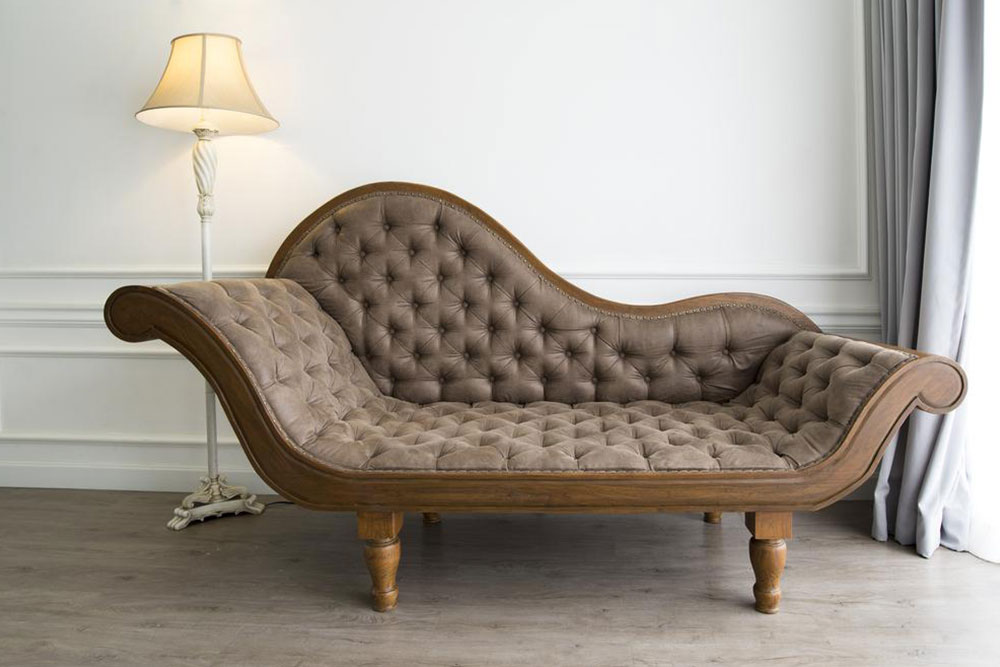
On the other hand, handcrafted furniture retains a special place in the market due to its artisanal nature. Skilled artisans spend hours or even days meticulously carving, chiseling, and finishing each piece. This manual process allows for intricate detailing, customization, and a personal touch that mass production cannot replicate. Although manual techniques may impact production speed, they uphold a standard of quality, durability, and artistic expression that elevates handcrafted furniture into a form of functional art.
The Rise and Popularity of Handcrafted Furniture
Despite technological advancements in manufacturing, handcrafted furniture continues to enjoy widespread popularity, driven by consumers' desire for exclusivity, authenticity, and sustainability. Online platforms have democratized access to such furniture, offering a vast array of collections ranging from vintage-inspired restorations to bespoke designs tailored to individual preferences. This diversity caters to diverse tastes and interior themes, from rustic country homes to sleek modern apartments.
Handcrafted furniture is often considered an investment, as its superior quality and aesthetic appeal justify its higher price point. Many buyers favor unique pieces that tell a story, embody artisanal techniques, and support local craftsmanship communities. This resurgence reflects a broader societal shift toward valuing craftsmanship, sustainability, and individuality over mass-market uniformity.
Innovative Materials and Their Impact on Furniture Design
While traditional wood remains a popular choice for handcrafted furniture, innovative use of diverse materials enhances both the utility and visual appeal of furniture pieces. Materials such as plastics, metals, ceramics, and textiles expand design possibilities and functionality. Among eco-friendly options, bamboo has gained significant attention for its sustainability credentials and versatile properties.
Bamboo’s fast growth rate, high strength-to-weight ratio, and renewable nature make it an ideal material for environmentally-conscious furniture design. Artisans and companies are now blending traditional craftsmanship with modern aesthetics to create stylish, durable bamboo furniture that resonates with eco-minded consumers. This includes everything from minimalist chairs and sofas to intricate side tables and decorative accents.
Challenges and Opportunities in Bamboo Furniture Manufacturing
Despite its many advantages, bamboo furniture manufacturing faces challenges such as raw material scarcity, supply chain constraints, and the need for specialized skills. However, these obstacles also stimulate innovation and foster livelihood opportunities for tribal and rural communities specializing in bamboo weaving, carving, and assembly.
Many companies have embraced the traditional techniques handed down through generations, integrating them with contemporary design principles to produce durable, stylish bamboo furniture. These pieces not only serve functional purposes but also act as conversation starters and sustainable decor elements in homes and commercial spaces.
Today, online marketplaces feature a wide range of bamboo furniture options, including modern sofas, dining sets, chairs, stools, and accent tables, allowing consumers to access unique, handcrafted items easily. By choosing bamboo furniture, buyers support artisanal craftsmanship and promote environmentally responsible manufacturing practices, aligning with the growing global trend toward sustainability and ethical consumption.
In conclusion, whether you opt for handcrafted or bamboo furniture, choosing pieces that prioritize craftsmanship, sustainability, and design can significantly enhance your living or working environment. As the industry evolves, blending traditional techniques with modern aesthetics offers exciting possibilities for greener, more personalized furniture solutions. Embrace the charm of handmade artistry or eco-friendly bamboo designs to create spaces that are both stylish and sustainable.