Comprehensive Guide to Managing Food Cravings During Pregnancy for a Healthy Mother and Baby
This comprehensive guide explores effective strategies for managing pregnancy food cravings. It emphasizes understanding underlying causes, maintaining balanced meals, practicing mindful eating, debunking common myths, and choosing healthier alternatives. Proper management of cravings ensures a healthy pregnancy, supports maternal well-being, and promotes optimal fetal development through balanced nutrition and moderation. Pregnant women can enjoy their favorite foods responsibly while avoiding potential health risks by following these expert tips and advice for cravings control.
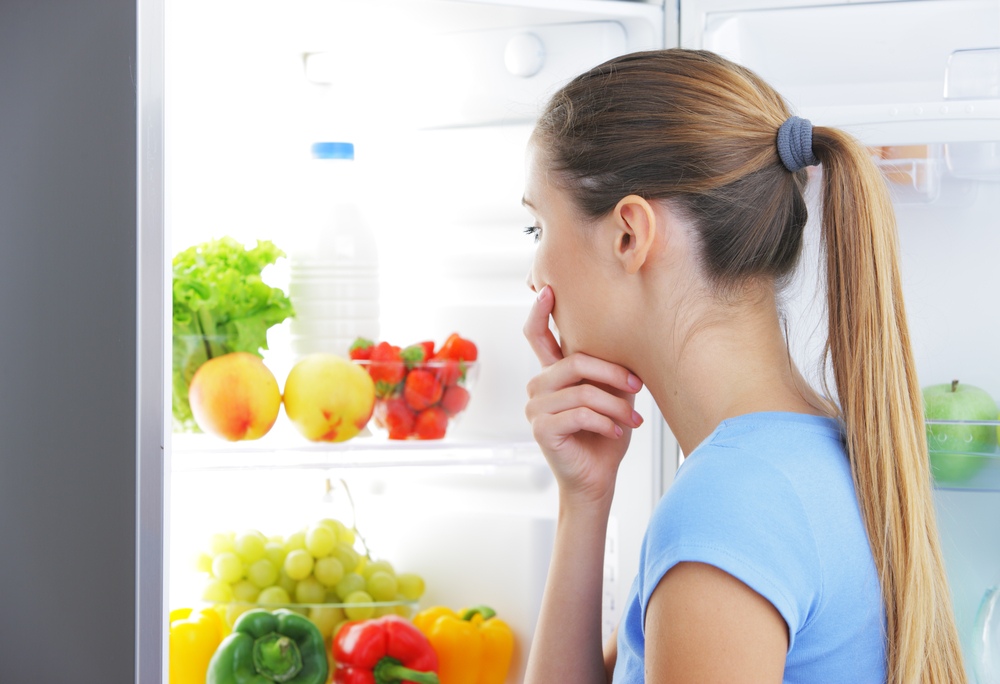
Comprehensive Guide to Managing Food Cravings During Pregnancy for a Healthy Mother and Baby
Pregnancy is a transformative journey that brings about a host of physical, hormonal, and emotional changes. These changes often influence your dietary habits, leading to intense and sometimes unpredictable food cravings. Understanding how to effectively manage these cravings is crucial not only for the comfort of the expectant mother but also for ensuring the health and well-being of the developing fetus. While experiencing food cravings during pregnancy is entirely normal, navigating them carefully can help prevent potential health issues and promote optimal pregnancy outcomes.
Pregnancy cravings often stem from various physiological and psychological factors. These cravings might be for specific flavors, textures, or food types, and can sometimes be surprising or difficult to resist. It's essential for pregnant women to understand that moderate indulgence in cravings is generally safe, especially when the foods are healthy. Nonetheless, overconsumption of certain foods, especially those high in sugar, salt, or unhealthy fats, can lead to complications such as gestational diabetes, excessive weight gain, or nutritional imbalances.
By adopting a strategic approach, pregnant women can manage their cravings effectively while ensuring both their health and that of their baby. From identifying the root causes of cravings to choosing healthier alternatives, there are many practical methods to navigate this aspect of pregnancy with confidence and mindfulness.
Identify Underlying Causes of Cravings
Cravings often serve as a signal of unmet nutritional needs. For example, a persistent desire for salty foods might indicate a need for additional electrolytes like sodium or magnesium. A craving for dairy, such as cheese or yogurt, could reflect a calcium deficiency—a vital mineral for fetal bone development. Recognizing these signs allows pregnant women to adjust their diets accordingly by incorporating nutrient-rich foods that meet these needs, which can help reduce the intensity and frequency of cravings over time.
Assessing whether cravings are caused by nutrient deficiencies, hormonal fluctuations, emotional states, or simply habitual preferences can guide more targeted and effective dietary choices. Consulting with a healthcare provider or registered dietitian can offer personalized insights and nutritional plans that align with the specific needs of each pregnancy.
Maintain Consistent and Balanced Meals
One of the most effective ways to curb intense cravings is to eat regularly and ensure that each meal is balanced and nourishing. Skipping meals or going for long periods without food can lead to blood sugar drops, which often trigger strong desires for unhealthy snacks. A nutritious breakfast rich in protein, healthy fats, and complex carbs provides sustained energy and satiety, minimizing the urge to indulge in sugar or processed foods later in the day.
Small, frequent meals spaced evenly throughout the day can help keep blood glucose levels stable. Including a variety of fruits, vegetables, whole grains, lean proteins, and healthy fats ensures a broad spectrum of nutrients necessary for both mother and baby’s development. It's also important to hydrate adequately, as thirst can sometimes be confused with hunger or cravings.
Practice Mindful Eating and Self-Reflection
When a craving strikes, pause and evaluate whether the desire is driven by physical hunger, emotional comfort, or habitual patterns. Asking yourself questions such as “Is this food truly necessary right now?” or “Am I eating out of boredom or stress?” can foster mindful eating habits. Recognizing emotional triggers can help prevent mindless overeating and encourage healthier coping strategies such as walking, relaxation techniques, or engaging in a hobby.
Mindfulness also involves savoring each bite, eating slowly, and paying attention to fullness cues, which can prevent overconsumption. Developing this awareness supports a healthier relationship with food and contributes to better overall health during pregnancy.
Debunking the 'Eating for Two' Myth
A common misconception is that pregnancy necessitates doubling your food intake. In reality, energy requirements increase only slightly—by about 300 to 500 calories per day during the second and third trimesters. The emphasis should be on quality, nutrient-dense foods rather than quantity. Overeating, especially unhealthy foods, can lead to excessive weight gain, gestational diabetes, preeclampsia, and delivery complications.
Focusing on nutrient-rich foods such as lean meats, leafy greens, dairy, fruits, and whole grains helps support fetal development while maintaining healthy maternal weight. Eating sufficiently to satisfy genuine hunger while avoiding unnecessary excess ensures both mother and baby remain healthy throughout pregnancy.
Choose Healthier Alternatives for Cravings
Transforming cravings into healthier options allows pregnant women to enjoy their favorite flavors without compromising health. For instance, if craving sweets, opt for naturally sweet fruits like berries, apples, or oranges. Greek yogurt with honey or a small piece of dark chocolate can provide sweet satisfaction with added nutritional benefits. Instead of reaching for candies or baked goods loaded with refined sugar and unhealthy trans fats, consider baked sweet potato chips, roasted chickpeas, or energy balls made from nuts and dried fruits.
For salty cravings, hummus, olives, or nuts can serve as nutritious alternatives. Incorporating herbs and spices into meals can also enhance flavor without adding excess salt or sugar. These strategies help in maintaining a balanced diet during pregnancy while still satisfying cravings healthily.
Remember, moderation is key. It's okay to indulge occasionally, but being mindful and choosing wholesome options ensures both maternal and fetal health are prioritized. Consulting with healthcare professionals or nutritionists can help craft personalized plans that support balanced cravings management.